
Turkey Tail Mushroom Benefits: Immune, Gut, and Whole-Body Support
Turkey tail is one of the most studied medicinal mushrooms on the planet, and the science behind it keeps growing. Here's what the research actually says about its remarkable health benefits for immune support, cancer treatment, digestive health, and more.
What Is Turkey Tail Mushroom? (Quick Answer Up Front)
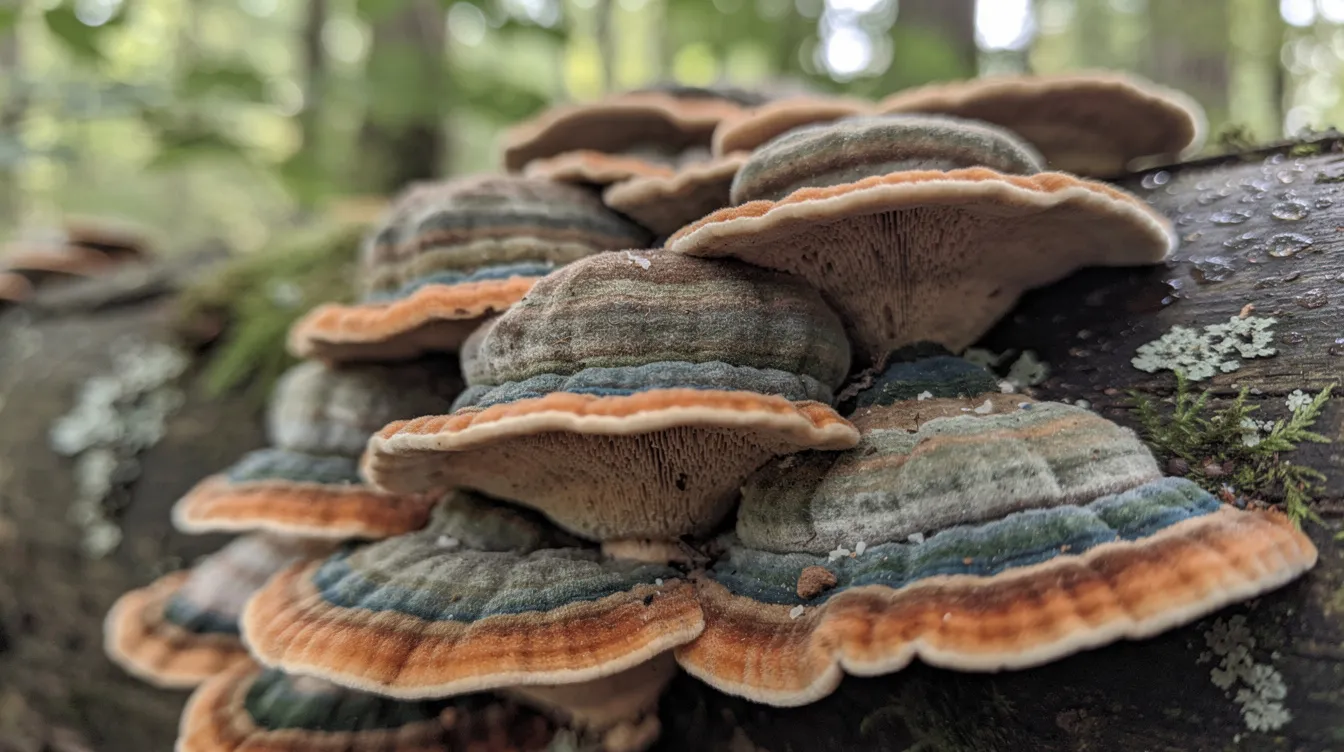
Turkey tail mushroom (Trametes versicolor) is a common polypore fungus that grows on dead wood and decaying hardwood across North America, Europe, and Asia. Its concentric bands of brown, blue, orange, and white resemble a turkey's fanned tail - hence the name. This non-psychoactive mushroom has been used in traditional Chinese medicine for centuries and remains one of the most researched functional fungi in modern science.
Turkey tail mushrooms support overall well-being by boosting immune function, and they're widely available as dietary supplements. Here's what makes this tail mushroom stand out:
-
Its best-known health benefits include immune function support, potential anticancer activity as a complementary therapy, gut health improvement, and possible help with blood sugar and cognitive function.
-
The key bioactive compounds are polysaccharide-K (PSK), polysaccharopeptide (PSP), and beta-glucans - all of which interact directly with the immune system.
-
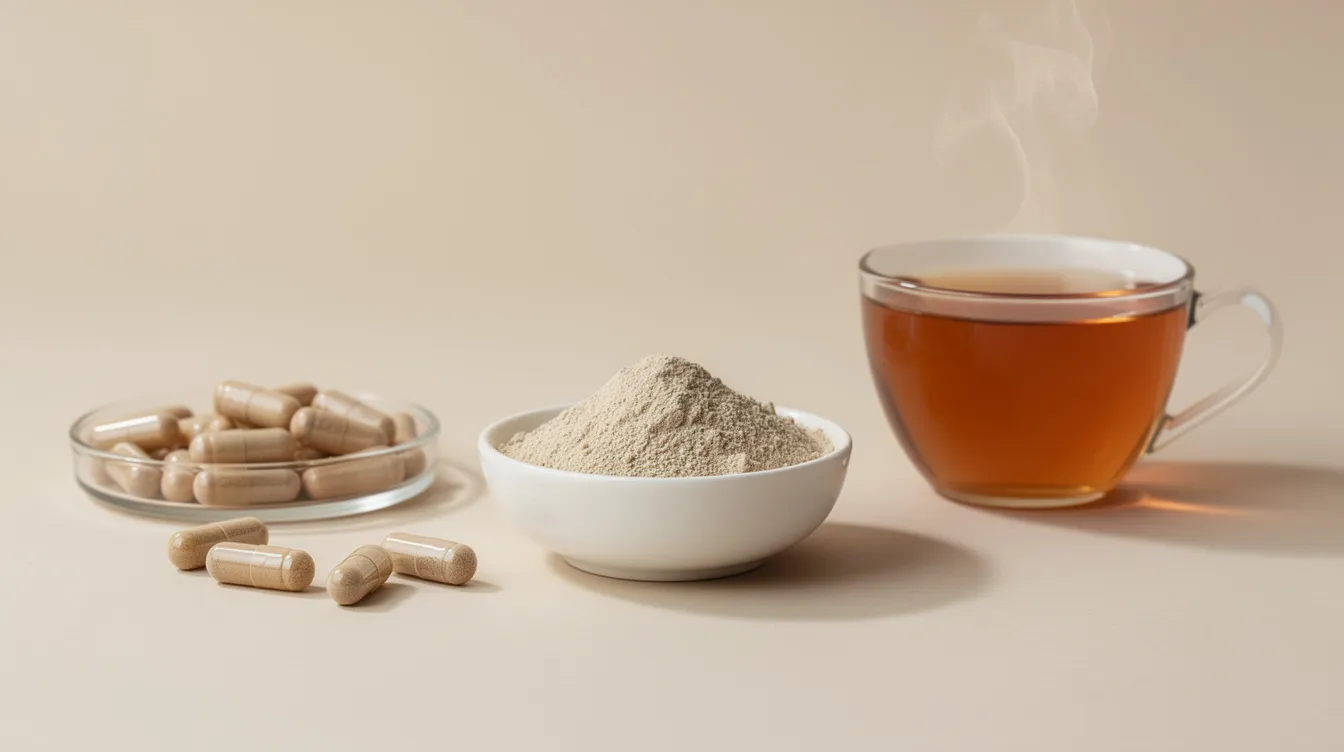
Turkey tail mushrooms are commonly consumed as powders, extracts, or teas, making them easy to add to a daily wellness routine.
-
This article covers evidence on immune boosting, certain cancers, gut microbiome effects, blood sugar, brain health, safety, and how to take turkey tail in practice.
How Turkey Tail Supports Immune Function
Immune health is the primary reason people start taking turkey tail mushroom supplements, and it's where the evidence is strongest. Turkey tail mushrooms contain polysaccharopeptides that promote immune health through several interconnected pathways.
-
Turkey tail acts as an immune-modulating mushroom. Rather than simply "boosting" immunity, it helps maintain a healthy balance - coordinating the immune response so the body can fight infections without triggering excessive inflammation.
-
PSK and PSP enhance immune function and regulate immune responses. They increase the activity of monocytes, phagocytes, natural killer (NK) cells, and T cells, activating immune cells that identify and clear abnormal or infected cells.
-
Turkey tail mushrooms stimulate the production of immune cells. A randomized trial in post-colorectal cancer surgery patients found that PSK significantly enhanced phagocytic activity and motility of white blood cells - a direct measure of stronger innate immune defense.
-
Research from Japan and China since the 1970s has shown PSK can enhance immune markers in people recovering from gastric and colorectal cancer treatments, restoring immune cells suppressed by chemotherapy.
-
Increased monocytes and phagocytes may improve first-line defense against pathogens, potentially supporting the body's defenses against fewer or milder infections over time.
-
Turkey tail mushrooms can reduce inflammation in the body by simultaneously increasing both pro-inflammatory (IL-6) and anti-inflammatory (IL-10, IL-1ra) cytokines, resulting in immune modulation rather than one-directional stimulation.
-
Immune effects depend on dose, extract strength, and individual health. People on immunosuppressive medications must consult a healthcare provider before use.
Turkey Tail and Cancer: Evidence for Complementary Therapy
Turkey tail is not a cure for cancer. No responsible source should claim otherwise. However, turkey tail is used as an adjunct therapy in cancer treatment in several countries, and the clinical evidence for this role - particularly with PSK - is more substantial than for almost any other dietary supplement.
-
In Japan and China, turkey tail extracts are used as adjuncts to conventional cancer treatments. PSK (Krestin®) has been approved in Japan since the late 1970s for use alongside chemotherapy in gastric and colorectal cancer.
-
Turkey tail extracts enhance chemotherapy effectiveness in cancer treatment. Multiple randomized clinical trials and meta-analyses show that adding PSK to standard chemo regimens can prolong 3- and 5-year survival.
-
Data also suggests benefits in lung cancer (extended 1-year survival, slower disease progression) and possible advantages in breast cancer, esophageal cancer, and leukemia cases - though not all clinical studies are positive.
-
Proposed mechanisms include enhanced antitumor immune surveillance, increased NK cell activity, upregulated anticancer cytokines, and inhibition of tumor blood vessel formation. Turkey tail mushrooms contain compounds that inhibit cancer cell growth in cell and animal studies.
-
Turkey tail may reduce side effects of chemotherapy and radiation treatments, including fatigue, appetite loss, and pain, helping quality of life during treatment.
-
Outside Asia, over-the-counter turkey tail supplements are usually weaker or different than the clinical PSK products used in trials. Results from standardized PSK cannot be assumed equivalent for generic supplements.

Turkey Tail and "Certain Cancers": What We Know So Far
Most human cancer data involve specific tumor types, not all cancers. Here's what the evidence suggests for each:
-
Colorectal cancer: A meta-analysis of three RCTs (about 1,094 patients) found 5-year survival of 79.0% with PSK plus chemo versus 72.2% with chemo alone. Some trials also showed fewer side effects.
-
Gastric (stomach) cancer: A 751-patient randomized trial reported 5-year overall survival of 67.9% with PSK versus 61.8% without. Polysaccharide-K (PSK) from turkey tail may improve survival rates in cancer patients, especially those with specific immune profiles. The National Cancer Institute has reviewed these data.
-
Breast cancer: Small phase 1 studies found that turkey tail extract appeared to increase tumor-fighting immune cells post-therapy, but patient numbers were limited and no clear survival data exist yet.
-
HPV-related cancers: Turkey tail's immune boosting and antiviral properties connect to small studies where formulas including turkey tail helped treat HPV (human papillomavirus) in some participants, though the isolated role of turkey tail is hard to distinguish from combination products.
-
Liver cancer and other cancers: Evidence is largely preclinical. Research suggests potential activity against cancer cells in several tumor types, but human trials are needed.
Turkey tail should always be considered a complementary therapy used under oncologist guidance - never as a replacement for surgery, chemotherapy, radiation, or targeted drugs.
Polysaccharopeptides: PSK, PSP and the Immune Response
Polysaccharopeptides are protein-bound polysaccharides - the bioactive compounds most responsible for turkey tail mushroom benefits. PSK and PSP are central to why this mushroom works.
-
PSK (polysaccharide-K) is a protein-bound beta-glucan extract extensively studied in Japan. It binds to pattern recognition receptors (like Dectin-1 and toll-like receptors) on monocytes and macrophages, triggering cytokine release and boosting the body's ability to fight tumors.
-
PSP (polysaccharopeptide) is a related compound studied more in China, with evidence for improving appetite, fatigue, and body weight in some cancer patients. PSP's effects on monocytes and phagocytes contribute to enhanced pathogen clearance and broad immune boosting effects.
-
PSK can stimulate dendritic cells, NK cells, and cytotoxic T cells while modulating inflammatory cytokines - supporting a balanced immune response rather than unchecked inflammation.
-
In laboratory and animal studies, these compounds downregulate genes involved in tumor growth and angiogenesis, and may trigger cancer cell death while sparing healthy cells.
-
Concentrated clinical PSK/PSP preparations used in clinical trials differ significantly from typical turkey tail mushroom supplements sold over the counter. Adjust expectations - and look for standardized turkey tail extract products with verified beta-glucan content.
Antioxidants and Anti-Inflammatory Effects
Beyond polysaccharopeptides, turkey tail is antioxidant rich, containing compounds that help control oxidative stress and chronic inflammation - two drivers of aging and disease.
-
Turkey tail mushrooms contain over 35 phenolic compounds. Turkey tail is rich in flavonoids like quercetin and baicalein, as well as ergothioneine - a rare amino acid with potent cellular protection properties.
-
Antioxidants in turkey tail help reduce oxidative stress by neutralizing free radicals that damage DNA, proteins, and cell membranes - processes linked to heart disease, certain cancers, and neurodegenerative health conditions.
-
In lab studies, turkey tail mushroom extract reduces inflammatory markers like TNF-α and IL-6. Turkey tail mushrooms have strong anti-inflammatory effects, helping maintain a balanced immune response.
-
These antioxidant and anti-inflammatory effects connect to potential benefits for healthier aging, cardiovascular health, liver function, and kidney protection - though solid human data in these areas remain limited.
Gut Health, Prebiotic Effects, and the Microbiome
One of the most compelling modern findings about the benefits of turkey tail involves its effect on gut health and the microbiome.
-
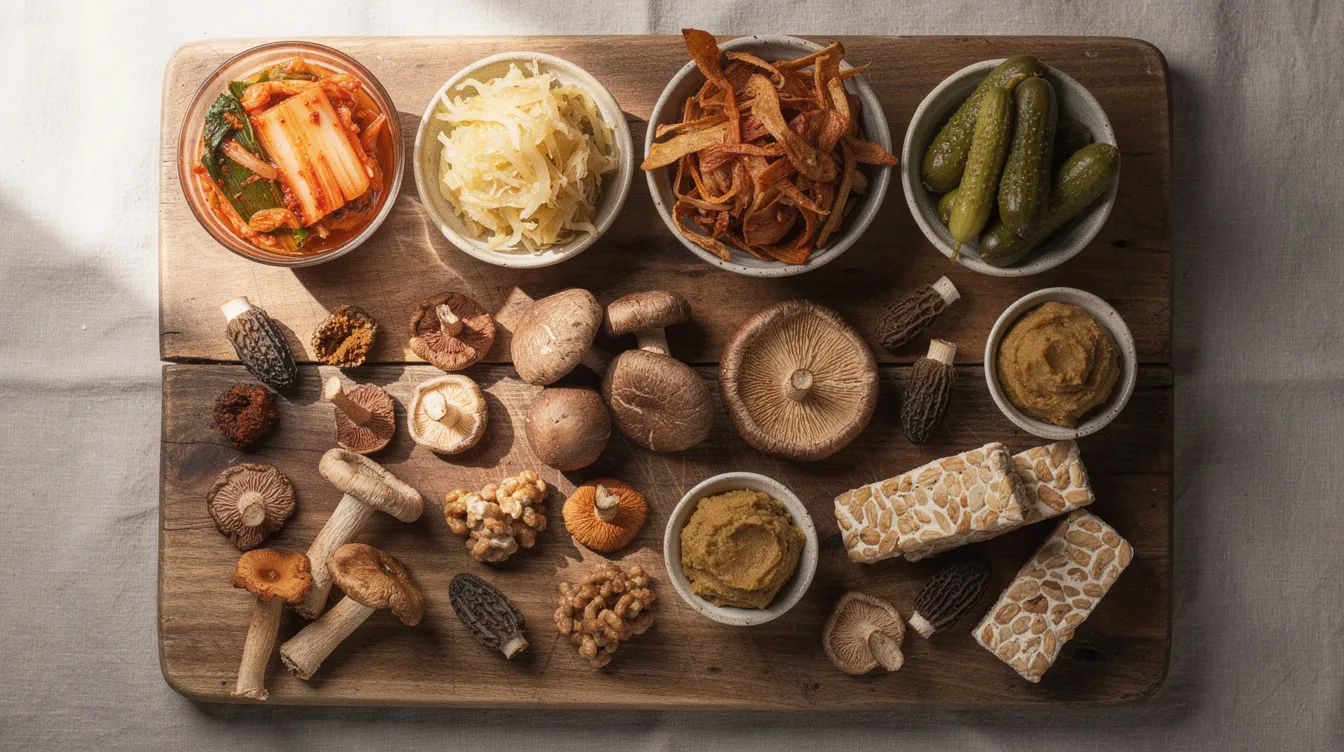
Turkey tail mushrooms act as prebiotics for gut bacteria. Their fibers and beta-glucans feed beneficial bacteria rather than introducing new organisms like a probiotic would.
-
A clinical trial with 24 healthy volunteers found that PSP altered gut microbiome composition in ways consistent with prebiotic effects, increasing beneficial bacteria and modulating community structure over eight weeks.
-
They promote the growth of beneficial gut bacteria like Bifidobacterium. They also enhance the growth of beneficial gut bacteria like Lactobacillus, while helping control harmful gut bacteria such as certain Clostridium species.
-
Turkey tail mushrooms can improve gut microbiome balance, and the gut microbiome influences digestion, immune regulation, and overall wellness - since much of the immune system resides in gut-associated lymphoid tissue.
-
Polysaccharides in turkey tail enhance digestive health. Research shows turkey tail can improve digestion and reduce diarrhea, supporting digestive health through better nutrient absorption and a more balanced microbiota.
-
Turkey tail mushrooms may reduce symptoms of leaky gut and reduce chronic inflammation, enhancing gut health overall. Improvements in the gut microbiome may indirectly support metabolic health (including blood sugar balance) and even mental health and cognitive function via the gut–brain axis.
Other Potential Health Benefits of Turkey Tail
Beyond immune support and gut health, turkey tail shows promise in several emerging areas. Evidence suggests these potential health benefits deserve attention, even if human trials are still catching up:
-
Blood sugar and metabolic health: Animal research suggests turkey tail extracts can lower blood sugar levels, improve insulin resistance, and reduce diabetes-related complications. These findings point toward possible help for people looking to improve insulin resistance, but more human trials are needed.
-
Athletic performance: Rodent studies from the 2010s and 2020s showed turkey tail improved endurance and reduced fatigue, including improvements in body weight management. Human sports performance evidence is still sparse.
-
Liver and cardiovascular support: Turkey tail's antioxidants may protect liver cells from toxin-induced damage and help manage blood lipids and blood pressure in metabolic models - relevant for overall health and potentially reducing risk of heart disease in traditional medicine contexts.
-
Cognitive function and brain health: Observational data links greater mushroom intake to better cognitive scores. Turkey tail's antioxidants and anti-inflammatory effects could support long-term brain health, though specific human trials with turkey tail are lacking.
-
Bone health: Animal studies suggest thicker, less porous bones in osteoporosis models given turkey tail extract. No robust human bone-density data exist yet.
-
Antimicrobial and antiviral properties: Test-tube work shows activity against bacteria (including some resistant strains) and viruses. Small studies suggest turkey tail may help fight infections and could play a role in efforts to treat HPV. Published in an international journal context, these findings remain preliminary.
-
Sexual health: Some traditional medicine practitioners recommend turkey tail for vitality, but clinical data specifically supporting sexual health claims are extremely limited.
How to Take Turkey Tail: Forms, Dosage, and Practical Tips
Proper form and quality matter if you want meaningful immune and gut health benefits from turkey tail.
-
Common forms include dried mushroom (for teas and decoctions), powders, capsules, and liquid extracts or tinctures made via hot water or dual (water + alcohol) extraction.
-
Hot-water or dual-extracted products usually deliver higher, more consistent levels of beta-glucans and polysaccharopeptides than raw powder alone.
-
The standard turkey tail dose in research ranges from about 1–3 g per day for general immune support to 3–9 g per day in some cancer clinical studies using standardized extracts. These are examples from published research, not personal medical advice.
-
Start low and increase gradually. Take turkey tail with food to reduce digestive upset. Be consistent for several weeks to gauge effects on immune resilience or gut health.
-
Choose turkey tail supplements from brands that provide third-party testing, beta-glucan content on the label, and clarity on whether they use fruiting bodies, mycelium, or both. Compare carefully against other supplements on the market.
Safety, Side Effects, and Who Should Avoid Turkey Tail
Turkey tail mushrooms are generally safe and well-tolerated, but they're not risk-free - especially for people with complex health conditions.
-
Some users report mild digestive symptoms like gas and bloating. Soft stools or diarrhea and dark-colored stools are also possible, often resolving with dose adjustment.
-
Turkey tail may cause darkening of fingernails in some individuals - a cosmetic side effect that typically reverses after stopping.
-
Less common but serious: allergic reactions in people sensitive to mushrooms (rash, swelling, breathing difficulty) require immediate medical attention.
-
In cancer treatment settings, nausea, vomiting, and appetite loss can occur but may relate to chemotherapy itself, making attribution difficult.
-
Turkey tail can interact with certain medications, especially immunosuppressants. People with autoimmune conditions, organ transplant recipients, pregnant or breastfeeding individuals should use turkey tail only under close supervision. Children should avoid turkey tail mushrooms due to safety concerns and limited data.
-
Always discuss turkey tail with an oncologist or primary care clinician before adding it as a complementary therapy - particularly alongside chemotherapy, radiation, or targeted immune drugs.
-
Supplement quality varies widely. Contamination with heavy metals or other fungi is a real concern when products lack third-party testing.
Putting It All Together: Are the Benefits of Turkey Tail Worth It?
Turkey tail mushroom has the strongest evidence for modulating immune function, acting as a complementary therapy for certain cancers via PSK and PSP, supporting digestive health through prebiotic effects, and providing antioxidant and anti-inflammatory protection. Those are its key benefits, backed by clinical trials and decades of use in traditional medicine across Asia.
It may also increase monocytes and phagocytes, contributing to more robust immune surveillance - helping the body fight tumors and fight infections more effectively through immune boosting properties. Turkey tail can also boost immune response coordination across both innate and adaptive immunity.
-
Promising but early evidence exists for blood sugar balance, cognitive function, cardiovascular and liver support, and bone health. View these as potential, not guaranteed, benefits.
-
Safety profile is favorable for healthy adults at moderate doses, with mainly digestive side effects.
-
If you're considering taking turkey tail mushroom for immune support, supporting digestive health, or as a complementary therapy, partner with a qualified healthcare provider to tailor dose, form, and duration to your needs. The right approach starts with healthy gut bacteria, a trusted product, and informed guidance.