
Shiitake Mushroom Benefits: Nutrition, Research, and How to Use Them
Shiitake Mushroom Benefits: Nutrition, Research, and How to Use Them
Shiitake mushrooms are far more than a flavorful ingredient in stir-fries and soups. They rank among the most studied medicinal mushrooms on the planet, with research pointing to a remarkable range of effects on human health - from cardiovascular protection to immune modulation and even early-stage findings in cancer and neurodegenerative disease.
If you've been curious about adding a functional mushroom to your routine, shiitake deserves serious attention. Here's what the science actually says.
Quick Overview: Key Health Benefits of Shiitake Mushrooms
Shiitake mushrooms are nutrient-dense edible mushrooms loaded with B vitamins, essential minerals like copper and selenium, and unique bioactive compounds such as beta glucans and lentinan. These compounds don't just add nutritional value - they actively interact with your body's systems in ways that few other foods can match.
The health benefits of shiitake mushrooms center on heart health, immune support, and antioxidant properties. Shiitake contain eritadenine, a compound shown to promote healthy cholesterol levels by influencing lipid metabolism. They also contain potassium and anti-inflammatory polysaccharides that may help decrease blood pressure. Beyond cardiovascular health, research suggests roles in cancer prevention, cognitive health, and even skin health benefits thanks to compounds like kojic acid, which helps reduce hyperpigmentation, and copper, which supports collagen production for skin elasticity. Antioxidants in shiitake mushrooms also protect skin from oxidative damage, promoting a healthy, glowing complexion.
What makes shiitake stand out from other edible mushrooms? Consider these key points: they contain the same essential amino acids as meat, making them a rare complete-protein source among fungi; they can decrease LDL cholesterol; they may lessen amyloid plaquing in the brain; they may help decrease blood pressure; and they could potentially inhibit leukemia cells. Those are substantial claims, and each one is grounded in published research - though the strength of evidence varies from robust animal data to early preclinical findings.
What Are Shiitake Mushrooms? Origins, Taste, and Traditional Use
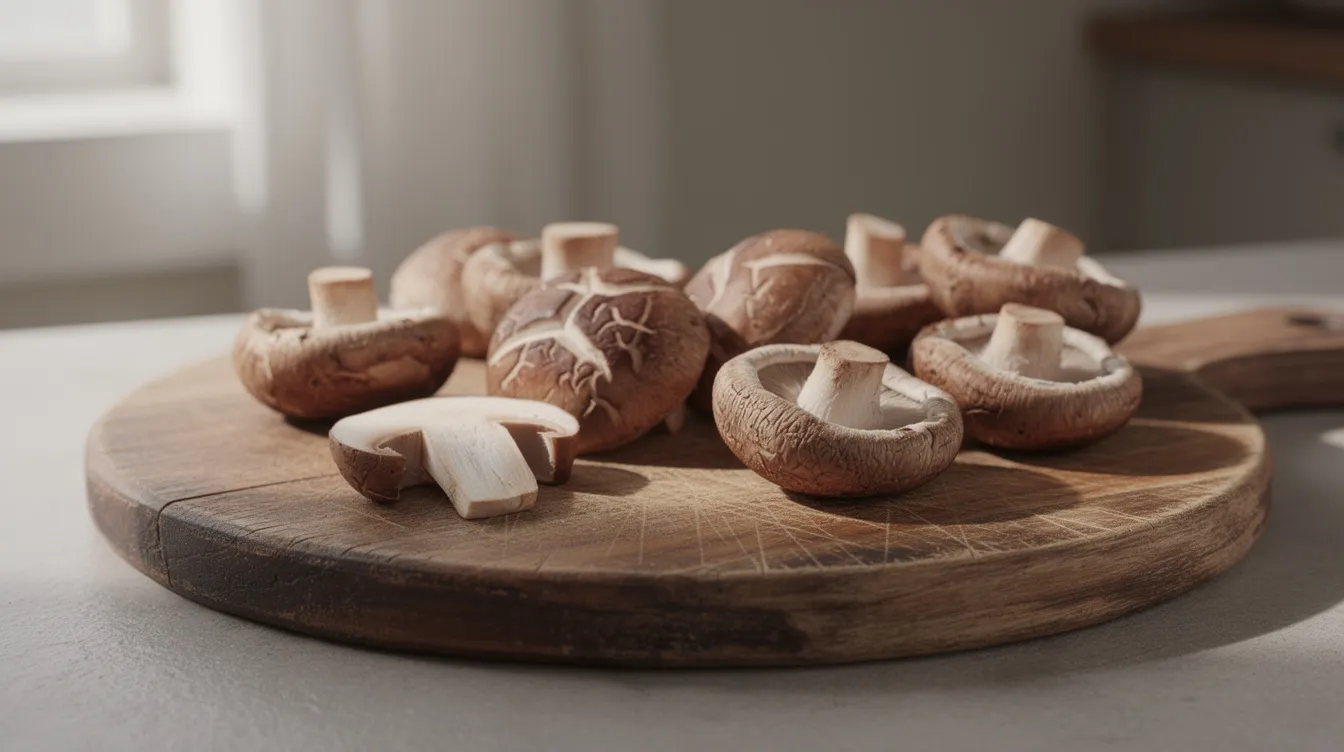
Shiitake (Lentinula edodes) are one of the most widely consumed edible mushrooms worldwide, second only to the common button mushroom in global production. They originated in East Asia - primarily China and Japan - where they've been cultivated on hardwood logs like oak and chestnut for over 1,000 years. Today, they're grown commercially on every inhabited continent.
What draws people to shiitake in the kitchen is their rich, meaty texture and pronounced umami flavor - that deep, savory flavor that makes broths and stir-fries feel satisfying without heavy meat content. Fresh shiitake mushrooms work well sautéed or grilled, while dried shiitake have a more concentrated taste, longer shelf life, and are ideal for soups and stocks. In traditional medicine, particularly Traditional Chinese Medicine and Japanese Kampo, shiitake were used to support circulation, immune strength, and overall wellness, earning a reputation as a symbol of vitality and longevity.
Here's a quick snapshot:
-
Origin: East Asia (China, Japan), cultivated 1,000+ years
-
Flavor: Deep umami, meaty texture
-
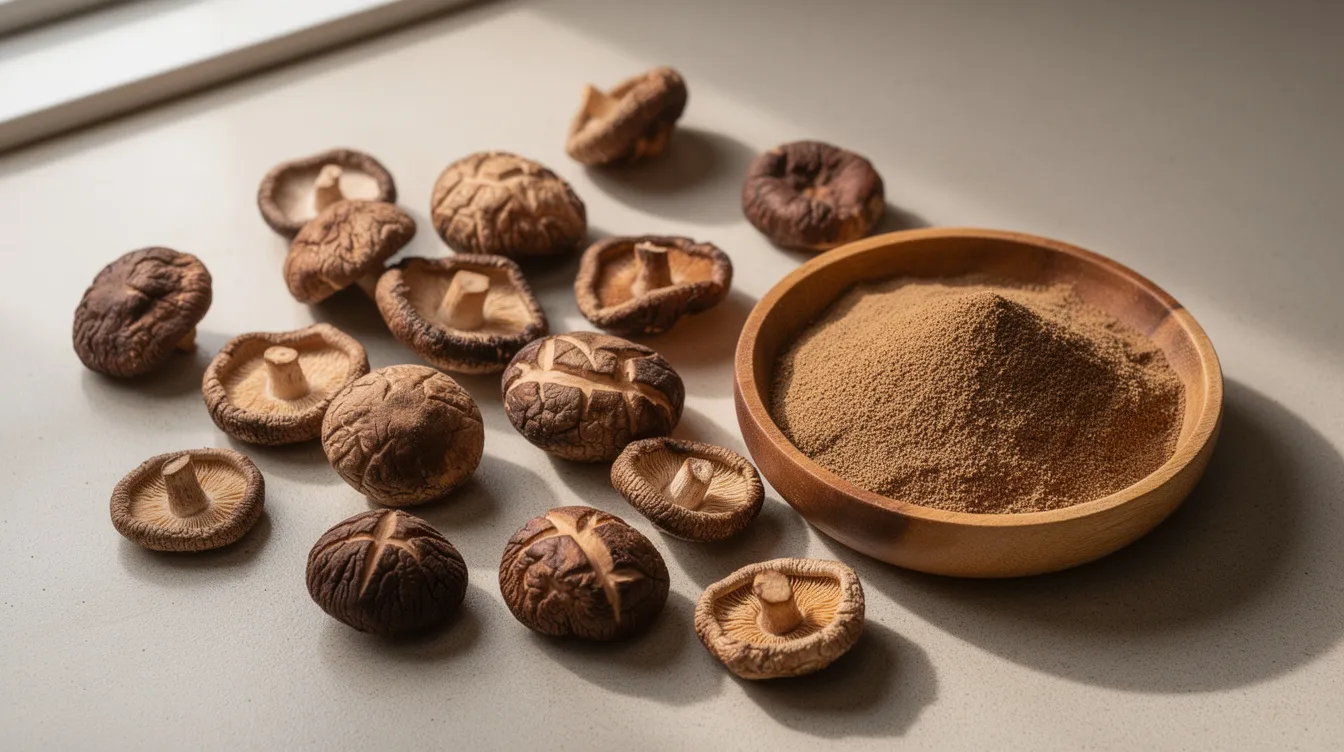
Forms: Fresh, dried, powdered, extracted
-
Traditional uses: Circulation, immune health, vitality
Nutritional Profile: B Vitamins, Minerals, and "Meaty" Amino Acids
Shiitake mushrooms deliver substantial nutrition for very few calories - just 34 calories per 100 grams of fresh mushrooms. That low calorie density, paired with high dietary fiber content, makes them a smart addition to almost any diet. But the real story is in the micronutrient profile.
Key nutrients include:
-
B vitamins (B2, B3, B5, B6, folate): Shiitake mushrooms contain B vitamins essential for energy production, brain function, and red blood cell formation. They also contain nutrients that support iron metabolism.
-
Copper: Critical for collagen formation and antioxidant defenses. Shiitake mushrooms provide minerals like copper and zinc that also contribute to bone health.
-
Selenium: A potent antioxidant mineral. Shiitake mushrooms are rich in antioxidants like selenium and vitamin D.
-
Vitamin D: When exposed to UV light, shiitake can synthesize vitamin D2. Shiitake mushrooms are rich in vitamin D, which is essential for bone health. This vitamin D aids calcium absorption for stronger bones, helps prevent osteoporosis and fractures, and regular consumption supports bone density and structure.
-
Dietary fiber: Prebiotic polysaccharides that support digestive health and gut microbiota balance.
One of the most compelling nutritional facts is that shiitake contain all nine essential amino acids - the same profile found in meat. Studies show that essential amino acids make up roughly 39% of total amino acids in shiitake, with crude protein content ranging from 13–17.5% on a dry-weight basis. This positions shiitake as a legitimate functional protein source for vegetarian and vegan diets, though methionine and tryptophan levels are somewhat lower than in animal proteins.
Bioactive Compounds in Shiitake: Beta-Glucans, Lentinan, and More
Beyond basic nutrition, shiitake mushrooms contain a suite of bioactive compounds that have attracted extensive attention in agricultural and food chemistry research. These compounds are what elevate shiitake from a simple ingredient to a functional mushroom with measurable physiological effects.
-
Beta glucans (β-(1,3)-(1,6)-glucans): These immunomodulating polysaccharides help "train" immune responses rather than blindly overstimulate them. They interact with receptors on immune cells, priming the body for more effective defense.
-
Lentinan: A purified β-glucan polysaccharide from shiitake. Lentinan enhances immune cell activity and has documented effects on tumor biology in research settings.
-
Eritadenine: A lipid-lowering alkaloid unique to shiitake. Shiitake mushrooms contain eritadenine, which may help regulate cholesterol levels by altering hepatic phospholipid metabolism.
-
Ergothioneine: A rare amino acid-like antioxidant. Ergothioneine in shiitake protects cells from oxidative damage, particularly in mitochondria and neuronal tissue.
-
Chitosan (from stems): Chitosan from shiitake has strong antioxidant properties and may contribute to anti-inflammatory actions.
-
Polyphenols and kojic acid: These contribute to antioxidant properties and skin health - kojic acid specifically is used in dermatology for its ability to brighten skin tone.
These compounds collectively support antioxidant protection, reducing inflammation, modulation of gut health, and potential anticancer activity against certain cancer cells. They're also why shiitake extract and shiitake powder have become popular forms of dietary supplements and mushroom supplements.
Heart and Circulation: Cholesterol, LDL, and Blood Pressure Support
Heart health shiitake mushrooms is one of the most actively researched areas, and the evidence is compelling - particularly for cholesterol management.
Eritadenine is the star player here. In a Japanese study, researchers developed an eritadenine-enriched shiitake strain containing ~473 mg eritadenine per 100 g dried mushroom (versus ~107 mg in standard strains). Rats fed this enriched strain showed significant reductions in total cholesterol and VLDL+LDL cholesterol. Shiitake mushrooms lower LDL cholesterol levels significantly through eritadenine's influence on liver lipid metabolism, and animal data suggests they can reduce blood fat by up to 55%.
In humans, a 2021 double-blind randomized clinical trial in Brazil tested shiitake bars consumed daily for 66 days by people with borderline high cholesterol. The intervention group saw roughly a 10% reduction in triglycerides (P = 0.0352), along with improvements in oxidative stress biomarkers like increased glutathione.
Here's how shiitake support cardiovascular health:
-
LDL reduction: Eritadenine promotes cholesterol metabolism and blocks cholesterol absorption pathways
-
Blood pressure: Shiitake mushrooms help regulate blood pressure due to potassium content and anti-inflammatory effects
-
Vascular protection: Shiitake mushrooms contain antioxidants that protect blood vessels from oxidative damage
-
Lipid profile: Shiitake mushrooms have compounds that improve cardiovascular health across multiple markers
These benefits support supporting heart health as part of a broader dietary strategy. Shiitake complement - but don't replace - heart medications or lifestyle changes prescribed by a healthcare professional.
Immune Support, Antioxidant Properties, and Gut Health
Immune health, gut health, and antioxidant status are deeply interconnected, and consuming shiitake mushrooms targets all three simultaneously.
A landmark 2015 randomized dietary intervention in healthy young adults (published in the Journal of the American College of Nutrition) found that eating shiitake mushrooms daily (5–10 g dried) for four weeks improved markers of immune function and reduced systemic inflammation. Participants showed increased secretory IgA and shifts in cytokine patterns suggesting more balanced, responsive immune responses - not overstimulation.
The mechanism centers on beta glucans and lentinan. These polysaccharides increase the activity of immune cells such as NK cells, T cells, and macrophages, supporting a healthy immune system capable of rapid, proportionate responses. Regular consumption of shiitake mushrooms improves the body's immune response to infections, and emerging evidence suggests they may even boost the body's response to vaccines. Lentinan in shiitake mushrooms also helps regulate inflammation in the body, reducing the kind of chronic low-grade inflammation linked to chronic diseases.
On the gut side, shiitake fiber and polysaccharides act as prebiotics that feed beneficial gut bacteria, strengthen the intestinal barrier, and enhance mucosal immunity. Shiitake mushrooms enhance gut health, supporting overall immune function and immune system support from the inside out.
Shiitake mushrooms contain powerful antioxidants that reduce oxidative stress. Ergothioneine, selenium, vitamin D (in UV-exposed mushrooms), and polyphenols work together to neutralize free radicals and protect cells throughout the body. Shiitake mushrooms enhance antioxidant activity during digestion and reduce oxidative stress linked to chronic diseases - a dual benefit for both digestive health and overall well being.
Cancer-Related Research: From Cancer Prevention to Adjunct Cancer Treatment
Current evidence suggests shiitake play supportive roles in cancer prevention and as a complement to conventional cancer treatments - but they are not stand-alone cures.
In laboratory studies, shiitake polysaccharides and other bioactive compounds induce apoptosis in cancer cells and slow tumor growth across several cell lines. Lentinan in shiitake mushrooms can induce cancer cell death and may help prevent cancer cell invasion and migration. A protein called lentin (~27.5 kDa) isolated from shiitake has been shown to inhibit proliferation of L1210 murine leukemia cells in vitro - directly supporting the point that shiitake compounds could potentially inhibit leukemia cells. Lentinan also contains properties that may inhibit tumor growth in colon and other cancer models.
Clinically, lentinan has been used as a biological response modifier alongside conventional chemotherapy in several Asian countries. Patients receiving lentinan as an adjunct showed improved immune function, better quality of life, and in some cases enhanced treatment outcomes. Shiitake mushrooms may enhance the effectiveness of cancer therapies through immune modulation - specifically by boosting NK cell and T cell activity and reducing tumor necrosis factor levels associated with cancer cachexia.
Key mechanisms include:
-
Enhanced immune cell activity (NK cells, T cells, macrophages)
-
Interference with tumor angiogenesis and metastasis
-
Reduced side effects from chemotherapy
Regular consumption of shiitake mushrooms may support overall cancer prevention, but anyone undergoing cancer treatment should consult their oncology team before adding shiitake extract or high-dose mushroom supplements to their regimen. This is not a substitute for treating diseases through established medical protocols.

Brain and Metabolic Health: Cognition, Amyloid Plaques, and Blood Sugar
Shiitake's nutrients and bioactive compounds may influence both cognitive health and metabolic function, though much of the evidence remains preclinical.
For the brain, ergothioneine, B vitamins, and antioxidants may protect neurons from oxidative stress while supporting neurotransmitter production. A 2024 study demonstrated that a nanogel system made from shiitake-derived lentinan inhibited amyloid β aggregation in transgenic Alzheimer's disease model mice. The treated mice showed reduced neuroinflammation, suppressed overactivated microglia, and improved memory and spatial recognition. This supports the idea that shiitake may lessen amyloid plaquing in the brain - a hallmark of Alzheimer's disease - though no human trials have yet confirmed this effect.
On the metabolic side:
-
Blood sugar: B vitamins and the fiber-rich, low-glycemic profile of shiitake can assist in stabilizing blood sugar and improving insulin sensitivity
-
Type 2 diabetes risk: Preliminary animal models show improved glucose tolerance and reduced inflammatory markers with shiitake extract consumption
-
Skin cells and aging: Antioxidants in shiitake may protect skin cells from the metabolic byproducts of oxidative stress, contributing to broader skin health
These findings point toward shiitake as a food that supports overall health across multiple systems, not just one isolated target.
Digestive Health, Weight Management, and Overall Wellness
Shiitake mushrooms may support digestive health due to their fiber content, which promotes regular bowel movements, nurtures beneficial gut microbes, and reduces digestive tract inflammation. Improved digestive health and gut integrity feed directly into better immune function and reduced systemic inflammation.
From a weight management perspective, shiitake are remarkably practical:
-
Low calorie density: Shiitake mushrooms are low in calories, with 34 calories per 100 grams
-
High satiety: They are high in dietary fiber, promoting satiety and reducing calorie intake
-
Meat replacement: Replacing some meat with shiitake - which has similar amino acids but far less saturated fat - can reduce overall fat intake
-
Regular consumption of shiitake mushrooms can aid in weight loss and maintenance
Making shiitake mushrooms a regular part of your meals supports overall wellness by addressing multiple pillars of health - digestion, weight, inflammation, and nutrient intake - simultaneously.
Culinary Uses vs. Supplements: How to Add Shiitake to Your Routine
Incorporating shiitake mushrooms into your diet can be as simple as tossing them in a pan or as targeted as taking a standardized extract.
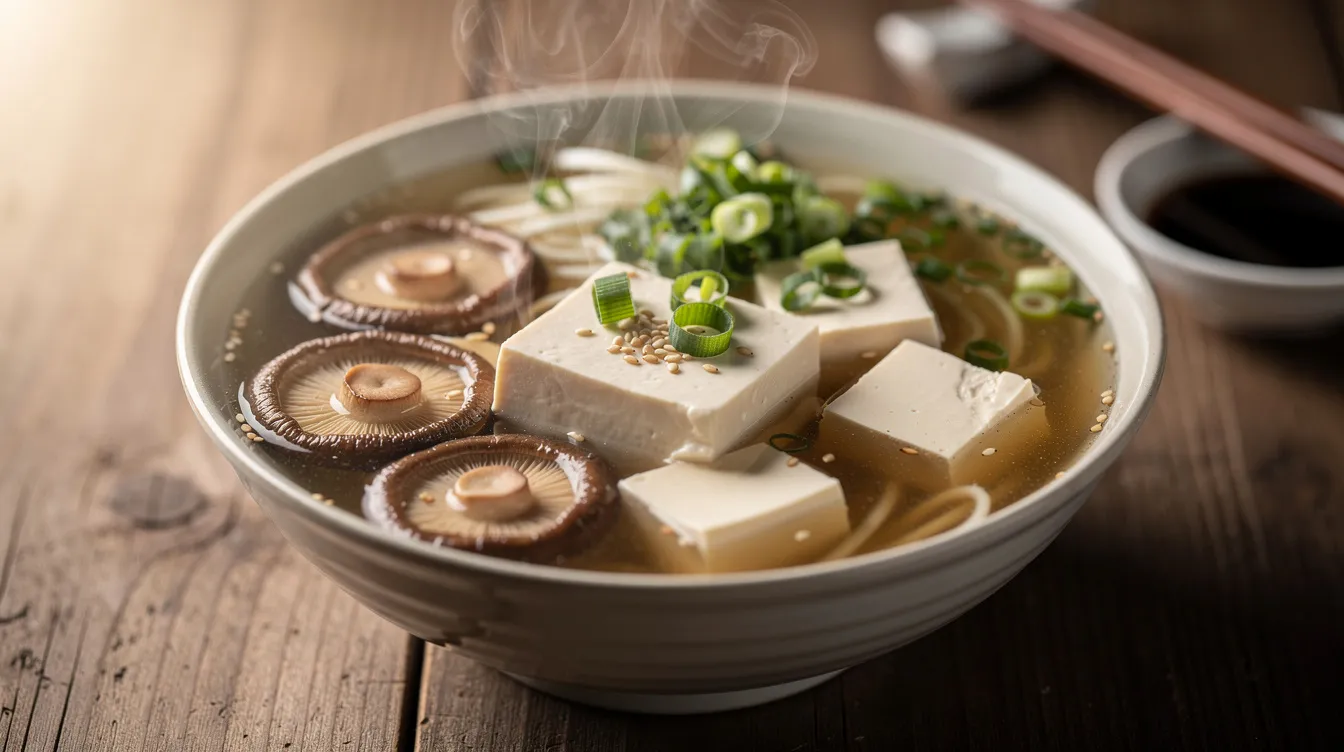
Cooking with whole shiitake: Fresh shiitake mushrooms sauté beautifully with garlic and olive oil, add depth to miso soup, and serve as a meaty substitute in stir-fries and stews. Dried shiitake offer stronger umami flavor - soak them for 20–30 minutes in warm water, then save the soaking liquid as a flavor-packed broth base. Adding shiitake mushrooms to weekly meals is one of the easiest ways to boost health with essential nutrients.
Supplements and extracts: Shiitake mushroom extract and shiitake powder can deliver more consistent doses of specific bioactive compounds like standardized beta glucans or lentinan. However, quality varies widely.
When choosing supplements:
-
Look for products made from fruiting bodies (not just mycelium on grain)
-
Prioritize organic cultivation and third-party testing for heavy metals
-
Sourcing shiitake mushrooms from reputable sources ensures safety and potency
Eating shiitake mushrooms as whole food gives you the full spectrum of nutrients and fiber. Supplements give you concentrated compounds. Both have a place depending on your goals.
Safety, Side Effects, and Who Should Be Cautious
Raw shiitake mushrooms can cause a distinctive reaction called shiitake dermatitis - an itchy, linear rash triggered by the compound lentinan in its uncooked form. Proper cooking of shiitake mushrooms prevents this skin reaction entirely, so always cook them thoroughly. Skin sensitivity to raw shiitake is well-documented but easily avoided.
Other considerations:
-
Digestive changes: Suddenly increasing fiber intake can cause gas or bloating. Introduce shiitake gradually.
-
Drug interactions: If you take immunosuppressive medications or blood pressure/cholesterol drugs, consult a healthcare professional before using high-dose shiitake extract. The immune boosting properties and antiviral and antibacterial properties of shiitake could theoretically interfere with immunosuppressant regimens.
-
Specific populations: Pregnant or breastfeeding individuals, children, and people with gout or kidney stones (due to purines) should eat shiitake in moderation and seek medical advice about concentrated supplements.
All information here is for educational purposes and does not replace advice from a qualified healthcare professional for specific health conditions.
Summary: Shiitake Mushrooms Are Worth Adding to Your Diet
In summary, shiitake mushrooms deliver a rare combination of various health benefits backed by a growing body of research. They promote healthy cholesterol levels, support cardiovascular diseases prevention, strengthen immune function through beta glucans and lentinan, and provide antioxidant protection that may reduce the risk of chronic diseases. Early research also points to promising roles in cancer prevention, cognitive health (including possible effects on amyloid plaques), and metabolic support.
From a nutritional standpoint, shiitake offer the same essential amino acids as meat, meaningful amounts of vitamin D (when UV-exposed) for bone density, and prebiotic fiber for gut health - all at 34 calories per 100 grams. Their nutritional value and savory flavor make them one of the most versatile functional foods available.
Start by eating shiitake mushrooms a few times per week in your favorite dishes. If you want more targeted immune support or cardiovascular benefits, consider a high-quality shiitake supplement made from whole fruiting bodies. Either way, shiitake mushrooms are a powerful, research-backed addition to your diet - not a miracle cure, but a genuinely useful tool for supporting overall health and overall wellness over the long term.