
Reishi Mushroom Benefits: Evidence, Uses, and Safety
Introduction: Why Reishi Mushrooms Are So Popular Right Now
Reishi mushrooms have been used in traditional Chinese medicine for over 2,000 years, prescribed by herbalists to promote vitality, longevity, and resilience against illness. Known scientifically as Ganoderma lucidum and called "Lingzhi" in Chinese, these woody fungi earned the nickname "mushroom of immortality" long before modern science began investigating their properties. Today, interest in the health benefits of reishi mushrooms has surged among wellness consumers, integrative practitioners, and cancer patients seeking supportive therapies.
The core benefits of reishi mushrooms center on their ability to boost the immune system, increase the number of white blood cells and natural killer cells, exhibit potential anti cancer properties, reduce fatigue, and possibly help stabilize blood sugar levels and lower blood pressure. These effects make reishi one of the most studied edible and medicinal mushrooms in the world.
That said, most strong data come from cell and animal studies or small clinical trials. Reishi should complement, not replace, standard medical care, especially in cancer treatment. This article balances enthusiasm with evidence, covering the benefits of reishi, mechanisms, safety, dosage, and use in both cancer patients and the general population.
What Are Reishi Mushrooms? (Ganoderma lucidum 101)
The Ganoderma lucidum mushroom has a distinctive appearance: a tough, woody texture with a reddish-brown, kidney-shaped cap that looks almost varnished or lacquered. It typically grows on decaying hardwoods across China, Japan, Korea, and other temperate regions. Reishi mushrooms are also known as Ganoderma lucidum or Lingzhi, depending on the language and tradition.
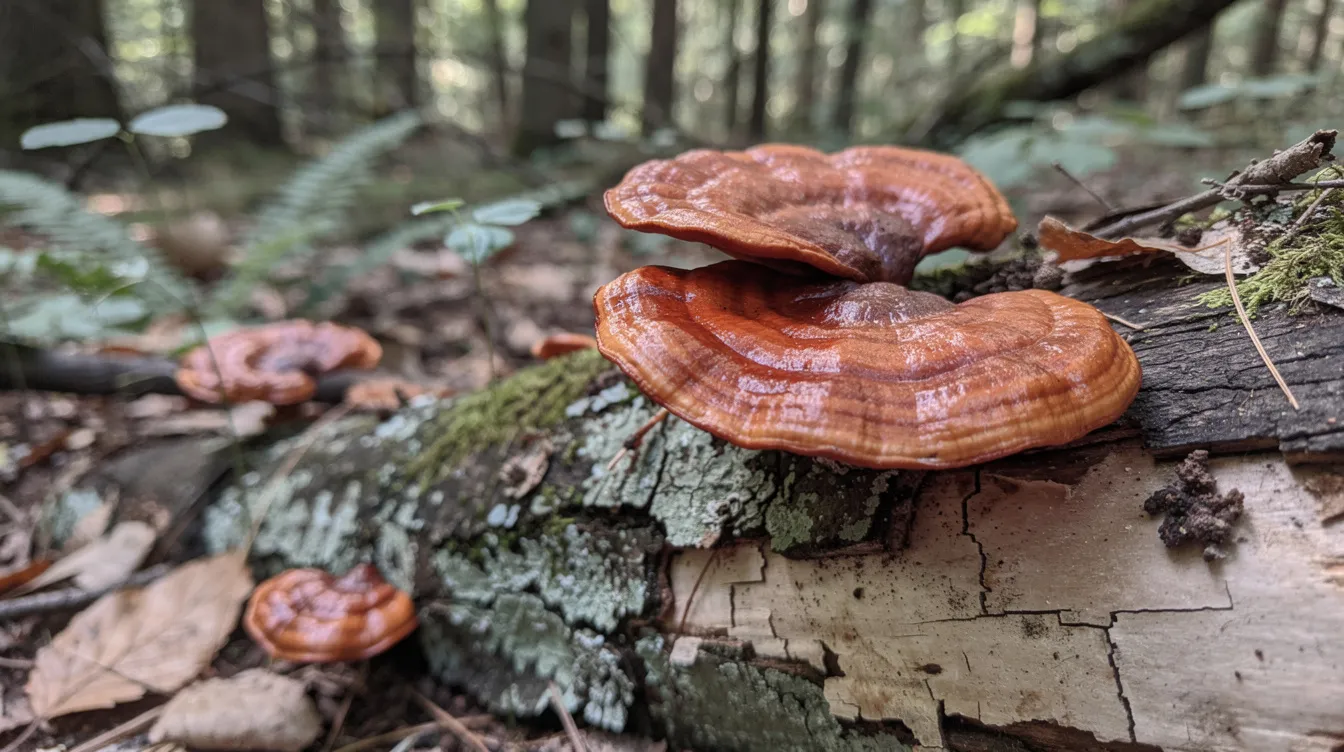
In oriental medicine and herbal medicine traditions, reishi was prescribed for vitality, spiritual calm, and resistance to disease. Traditional uses of reishi include supporting mental clarity and calming the spirit, making it a cornerstone of integrative approaches to human health.
The key bioactive compounds driving reishi's effects include:
-
Beta glucans (polysaccharides): strongly linked to immune modulation
-
Triterpenes and ganoderic acids: contribute anti-inflammatory and potential anti-tumor activity
-
Peptidoglycans, sterols, and nucleosides: provide ancillary antioxidant and metabolic support
Modern supplemental forms include dried slices, reishi mushroom powder, standardized reishi mushroom extract, cracked spore powders, and multi-mushroom blends. Because of its bitterness and fibrous texture, reishi is rarely eaten as a culinary mushroom. Instead, most people consume it as a mushroom supplement, tea, or extract.
Core Benefits of Reishi Mushrooms: Evidence at a Glance
Before diving into the research, here is a concise overview of the major, research-backed potential health benefits of reishi:
-
Immune system support: Reishi can increase white blood cell counts and enhance natural killer cell activity. Supported by randomized controlled trials in healthy adults and cancer patients.
-
Potential anticancer effects: Reishi mushrooms may inhibit tumor growth and metastasis in lab settings, and improve quality of life when used alongside conventional cancer treatment. Supported mainly by animal studies and small human trials.
-
Fatigue and mood support: Regular use may reduce fatigue and improve overall wellness. Supported by clinical trials in neurasthenia and surveys in cancer patients.
-
Blood sugar and blood pressure regulation: Reishi mushrooms may help manage blood sugar levels and modestly lower blood pressure. Supported by limited human trials with mixed results.
-
Cardiovascular and liver support: Possible improvements in lipid profiles and liver enzyme levels. Supported by animal studies and a handful of human observations.
Reishi's effects on white blood cells, natural killer cell activity, and inflammation underpin many of these reported effects. People seeking immune support, those dealing with treatment-related fatigue, and individuals with metabolic risk factors may find reishi worth discussing with a clinician. Those on blood thinners, with liver disease, or who are pregnant should proceed with caution.
How Reishi Boosts the Immune System
Immune modulation is the best-established benefit of reishi and underlies many of its other effects. Beta-glucans in reishi mushrooms are known for immune modulation, interacting with receptors on macrophages, dendritic cells, and neutrophils to "train" the immune system rather than simply overstimulate it. This makes reishi different from a simple immune booster. It helps calibrate the immune response, potentially improving defense against infections while moderating overactive responses.
Beta-glucans in reishi stimulate white blood cells, and reishi mushrooms enhance natural killer cell activity. A randomized, double-blinded, placebo-controlled trial among healthy adults showed significant increases in CD3+, CD4+, and CD8+ T-lymphocytes, improved CD4/CD8 ratio, increased natural killer cell counts, and higher immunoglobulin A levels. Importantly, no significant changes in liver or kidney function markers were observed, suggesting good tolerability.
Reishi mushrooms may boost immune system function through multiple pathways. Reishi has been used in traditional Chinese medicine for immune support for centuries, and modern research confirms that immune functions can be measurably enhanced. In cancer patients receiving chemotherapy or radiation, a Cochrane review analyzing five randomized controlled trials found that CD3, CD4, and CD8 lymphocyte percentages increased by approximately 2–4% when reishi was used alongside standard therapy.
Reishi's ability to increase white blood cells and natural killer cells is particularly relevant for cancer patients undergoing immunosuppressive treatments, but reishi supplementation must be coordinated with oncology care.
Preliminary data also suggest reishi may help balance overactive immune responses and inflammation, potentially affecting allergy and autoimmune pathways, though large-scale human evidence is lacking. More research is needed to fully understand reishi's effects on immune balance.

Anti-Cancer Properties: What We Know and What We Don't
Reishi shows anti cancer properties in lab and animal studies, including slowed tumor growth, increased tumor-infiltrating immune cells, and reduced metastasis. However, it is not a standalone cancer treatment.
Here is how the mechanisms work in preclinical research:
-
Beta glucans and triterpenes may inhibit tumor cell proliferation and induce apoptosis (programmed cell death) via caspase activation and p53 upregulation
-
Reishi mushrooms may inhibit tumor growth and metastasis by altering matrix metalloproteinase expression and limiting angiogenesis
-
Triterpenoids in reishi have anti-tumor and cytotoxic activities, enhancing natural killer cell–mediated tumor surveillance
Reishi may improve immune response in cancer patients. The Cochrane meta-analysis found that patients combining reishi with standard cancer treatment were approximately 1.27 times more likely to achieve a tumor response compared to controls. However, tumor shrinkage from reishi alone was not demonstrated.
Reishi may enhance immune function in cancer patients, and reishi supplementation improved quality of life in cancer patients across multiple small trials. Surveys among over 1,300 cancer patients in China found that more than half reported improvements in nausea (55%), fatigue (52%), poor appetite (51%), and depression (50%) after consuming reishi products.
The limitations are significant: most studies are small, short-term, and use heterogeneous preparations. Survival endpoints are rarely measured. Scientific evidence for reishi as a primary cancer therapy does not exist. Further research with rigorous trial design is essential.
Reishi and Cancer Patients: Quality of Life, Symptoms, and Survival
Large surveys of cancer patients using reishi products have generated valuable real-world data. In a study of over 1,300 cancer patients in China, symptom improvements were substantial. Approximately 55% reported meaningful relief from nausea, 52% from fatigue, 51% from poor appetite, and 50% from depression after using reishi products.
Breast cancer is among the most common cancer types represented in these surveys, and many breast cancer survivors use reishi to cope with hormone therapy side effects and lingering fatigue. Reishi mushroom use has also been reported among patients with advanced lung cancer, colorectal cancer, and prostate cancer.
These improvements are self-reported and not a substitute for controlled trials. However, they help clinicians understand real-world experiences, including both benefits and adverse effects. Longer-term use (one year or more) and younger age (under 65) were associated with a higher chance of symptom improvement, suggesting that consistent, monitored use may matter.
Reishi should always be used as part of an integrative plan agreed upon with the oncology team, especially because of possible interactions with chemotherapy, immunotherapy, and blood thinners.
Reishi and Specific Cancers: Breast, Colorectal, and Others
Research on reishi's role in specific cancer types is growing but still limited.
Breast cancer: Studies where reishi extracts or spore powder were used alongside hormone therapy or chemotherapy have reported reductions in fatigue and depressive symptoms and improvements in immune markers. Lab research on breast cancer cells has demonstrated inhibited proliferation and induced apoptosis. However, survival benefits in breast cancer patients remain unproven.
Colorectal cancer: Small trials and observational data suggest modest reductions in adenomas. A study showed reishi reduced adenoma size by 1.4 mm, and some participants showed improved immune activity. Limitations include small sample size, short duration, and lack of placebo control.
Prostate and lung cancer: In advanced lung cancer patients, open-label studies using reishi-based products during chemo/radiation showed changes in lymphocyte counts and NK cell activity in some participants. Prostate cancer research remains largely preclinical, with cell line data showing growth inhibition but no clinical evidence of survival improvement.
There is not enough high-quality evidence to recommend reishi as a primary therapy for any specific cancer. Decisions must be individualized with oncology input.
Fatigue, Mood, Stress, and Sleep: Adaptogenic Benefits of Reishi
Reishi mushrooms are classified as adaptogens, helping the body cope with stress rather than providing an immediate stimulant effect. This makes them distinct from caffeine or other energy-boosting substances.
In a randomized controlled trial of 132 patients with neurasthenia, a reishi polysaccharide extract (1,800 mg three times daily for 8 weeks) produced measurable improvements in wellness and fatigue scores compared to placebo. Reishi mushrooms can help improve sleep quality and reduce fatigue, a finding echoed in cancer patient surveys where over 50% reported significant fatigue relief.
Reishi mushrooms may help reduce stress and tension through multiple mechanisms. Calming compounds in reishi help quiet the nervous system, potentially modulating stress hormones and reducing inflammation. Reishi promotes restful sleep and relaxation, and regular reishi consumption may improve sleep quality over time. Traditional uses include evening teas or tinctures taken 1–2 hours before bed.
Reduced fatigue and better stress handling may indirectly improve mood and lower anxiety or depressive symptoms, particularly in patients undergoing difficult treatments. While data on mood and sleep are promising, most findings come from small or uncontrolled studies, so readers should view these as possible rather than guaranteed benefits.

Blood Sugar, Blood Pressure, and Metabolic Health
Reishi is often marketed for metabolic support, but human evidence is mixed. Reishi mushrooms may help manage blood sugar levels through several mechanisms. Reishi mushrooms contain beta-glucans that may lower blood sugar, and animal studies consistently show improved glucose tolerance and insulin signaling.
A study found reishi reduced HbA1c in type 2 diabetes patients, suggesting a real effect on long-term blood sugar control. However, later studies found no significant blood sugar benefits from reishi, creating an uncertain picture. A Cochrane review concluded reishi's blood sugar effects are unclear, highlighting the need for larger, well-powered trials.
In a crossover RCT of 26 individuals with mild hypertension and borderline high cholesterol, 1.44 g/day of reishi for 12 weeks led to significantly lower plasma insulin and HOMA-IR (a measure of insulin resistance). There was no significant change in blood pressure or BMI, though triglycerides decreased and HDL improved in one treatment period.
For blood pressure, limited human data suggest reishi compounds could modestly lower blood pressure. The critical caveat: combining reishi with antihypertensive medications may cause blood pressure to drop too low. Blood sugar control and decrease blood sugar claims require more rigorous evidence before confident recommendations can be made.
People with diabetes, prediabetes, hypertension, or metabolic syndrome must work closely with their healthcare providers if consuming reishi, monitor readings closely, and never adjust prescribed medications on their own.
Cardiovascular, Liver, and Antioxidant Effects
Reishi extracts may support cardiovascular health by influencing blood pressure and cholesterol. Animal studies suggest reishi may inhibit cholesterol synthesis through ganoderic acids and triterpenes that work on pathways similar in concept to statins, though far weaker. Reishi mushrooms may increase HDL cholesterol levels and decrease triglyceride levels, contributing to potential cardiovascular risk factors improvement. Reishi mushrooms may support overall cardiovascular function, but human trials have not consistently confirmed heart health benefits, so claims about cardiovascular protection remain preliminary.
Triterpenes found in reishi may possess anti-inflammatory properties, and reishi mushrooms contain antioxidants that may prevent oxidative stress. This antioxidant and anti-inflammatory activity may underlie many systemic benefits.
For liver health, reishi has been used in traditional Chinese medicine for liver protection. Reishi may promote liver cell regeneration in animal studies, and a study found reishi reduced liver enzymes by 27% in fatty liver patients. However, some reports indicate reishi may cause liver damage in certain individuals, a paradox that demands careful monitoring.
Three cases of liver damage linked to reishi use have been documented in the medical literature, including a fatal fulminant hepatitis case in a patient who switched from boiled Lingzhi to powdered form. Powder formulations (unboiled, unextracted) appear more frequently implicated in toxicity. Long-term users should monitor liver function, especially those also taking hepatotoxic medications.
Forms of Reishi: Fruiting Body, Mycelium, Extracts, and Spores
Reishi preparations vary significantly in their compound profiles:
|
Form |
Beta Glucan Content |
Triterpene Content |
Notes |
|---|---|---|---|
|
Fruiting body powder |
High |
Moderate |
Most traditional form |
|
Hot-water extract |
High |
Low |
Good for polysaccharides |
|
Alcohol/dual extract |
Moderate |
High |
Best for ganoderic acids |
|
Mycelium on grain |
Variable |
Low |
May contain starch filler |
|
Cracked spore powder |
Moderate |
High |
Requires processing for absorption |
Many supplements blend reishi with other medicinal mushrooms, which can make it harder to attribute benefits or adverse effects to reishi alone. When choosing a reishi mushroom extract or reishi powder product, look for clear labeling of the species (Ganoderma lucidum), plant part (fruiting body vs. mycelium), extraction method, and standardized beta glucan or polysaccharide content. Third-party testing for purity and potency is essential, especially for cancer patients or anyone taking multiple medications.
How to Take Reishi: Tea, Capsules, Powders, and Timing
Common ways to consume reishi include:
-
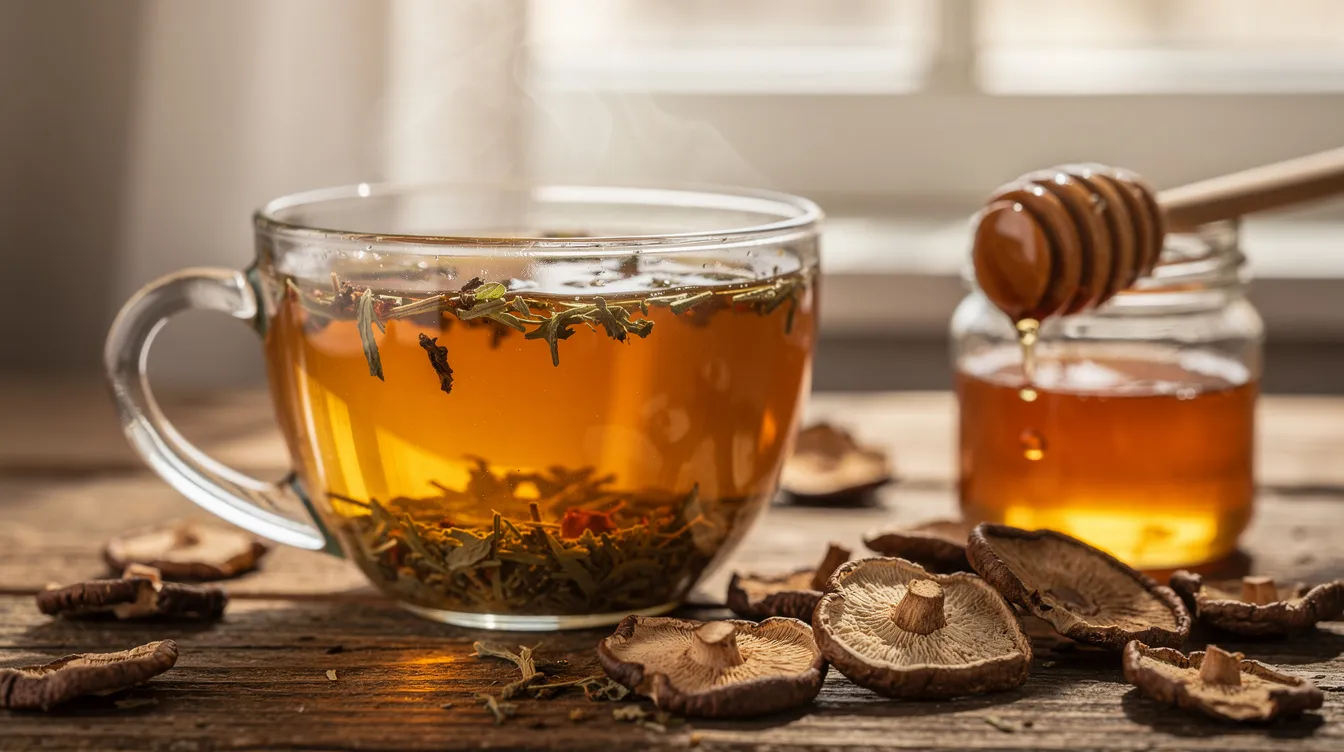
Reishi mushroom tea: Steep or gently simmer 1–2 teaspoons of dried reishi slices or reishi powder in 8–10 oz of hot water for 10–20 minutes. The taste is bitter and earthy. Balance it with ginger, honey, or citrus.
-
Capsules and tablets: Convenient for standardized dosing
-
Liquid tinctures: Often alcohol-based for triterpene extraction
-
Powders: Added to coffee, lattes, smoothies, or soups
If you drink reishi mushroom tea in the evening, reishi tea can support natural sleep cycles when consumed before bed. One small study suggests better absorption of triterpenes when taken without food, while some people tolerate it better with meals.
Simple timing strategies:
-
Morning on an empty stomach: For energy and immune system support
-
Evening (1–2 hours before bed): For stress and sleep support
Consistency matters most. Daily or near-daily use for several weeks is needed to assess effects, rather than expecting immediate changes after a single dose.
Typical Dosages and How Long Reishi Takes to Work
Realistic dosage ranges based on clinical and traditional use:
-
Dried mushroom powder: 1,500–9,000 mg/day, often divided into 2–3 doses
-
Standardized extracts: Lower total amounts depending on concentration ratio
-
Traditional Chinese sources: Sometimes recommend 6–12 grams per day of whole dried reishi
-
Reishi supplements in trials: The neurasthenia trial used approximately 5,400 mg/day; the cardiometabolic trial used 1,440 mg/day
People often begin to notice subtle changes, such as improved sleep or less fatigue, within 10 days to 2 weeks. More pronounced benefits are typically reported after 4–8 weeks of consistent reishi mushroom supplementation. Immune marker changes in clinical trials were observed within 2–4 weeks, while quality of life improvements in cancer patients appeared over 1–3 months.
Always follow product label directions and discuss doses with a healthcare professional. More is not always better. Higher doses may increase the risk of adverse effects without clearly improving benefits, as noted in the biomolecular and clinical aspects of mushroom biology research (int j med mushrooms and integr cancer ther literature).
Side Effects, Adverse Effects, and Safety Concerns
Common, generally mild side effects reported in trials and surveys include:
-
Dry mouth
-
Constipation or diarrhea
-
Digestive upset and nausea
-
Dizziness
-
Itching or rash
-
Insomnia
-
Transient fatigue or "detox-like" symptoms
Common side effects include dry mouth, constipation, and insomnia, though these typically improve over time. About 9.1% of cancer patients reported adverse effects from reishi in large surveys, usually non-serious.
High doses of reishi may lead to liver irritation or digestive upset in some individuals. More serious but rare risks include possible liver toxicity. Three cases of liver damage linked to reishi use have been reported in the NIH LiverTox database, with severity ranging from mild enzyme elevation to fatal hepatic failure. Latency is generally 1–2 months, with powder formulations most often implicated.
Reishi's 1,3-beta-D-glucan content can produce false-positive results on certain fungal infection blood tests. Patients should tell their doctors about mushroom supplement use before such testing.
Pregnant or breastfeeding women should avoid reishi due to safety concerns. People with bleeding disorders, a history of drug-induced liver injury, or severe autoimmune disease should also avoid reishi unless specifically cleared by a specialist.
Drug Interactions: When to Be Extra Careful
Key medication categories that may interact with reishi:
-
Anticoagulants and antiplatelet drugs (warfarin, heparin, aspirin, clopidogrel): Reishi may interact with blood thinners and blood pressure medications. Ganoderic acids inhibit platelet aggregation, increasing bleeding risk.
-
Antihypertensives: Mild blood-pressure-lowering effects may compound with medications, potentially causing hypotension.
-
Immunosuppressants (post-transplant or autoimmune therapy): Reishi's immune-stimulating effects could counteract these drugs or worsen symptoms of autoimmune conditions.
-
Diabetes medications: Possible additive effects on blood sugar could risk hypoglycemia.
-
Chemotherapy and targeted cancer treatments: Reishi may alter tumor markers; interactions have been reported in gastrointestinal cancer patients using reishi spores.
-
Statins and hepatotoxic drugs: Overlapping liver stress; patients with known statin-related muscle issues may be especially sensitive to lovastatin-like compounds in some mushroom complexes.
People on chemotherapy or targeted cancer treatment must never add reishi without informing their oncology team. Bring supplement bottles to medical appointments so clinicians can review ingredients, and stop reishi 1–2 weeks before planned surgery because of potential bleeding risks.
Who Might Benefit Most from Reishi-and Who Should Avoid It?
Groups who may reasonably discuss reishi supplements with their clinicians:
-
Adults seeking gentle immune support or dealing with frequent infections
-
People recovering from illness who struggle with fatigue
-
Cancer survivors looking for symptom relief under oncologist supervision
-
Older adults and those under chronic stress seeking sleep, mood, and resilience support alongside healthy lifestyle habits
Groups for whom reishi is relatively high-risk or poorly studied:
-
Pregnant or breastfeeding individuals
-
Children (a recent case of acute neurotoxicity was reported in a child with underlying health conditions taking a multi-fungi supplement)
-
People with active liver disease
-
Those with bleeding disorders or on multiple anticoagulant drugs
-
Transplant recipients on immunosuppression
-
Patients with complex autoimmune conditions where reishi could worsen symptoms
"Natural" does not mean "risk-free." Any substance capable of influencing immune cells, blood pressure, blood sugar, or cancer biology warrants professional guidance.
Start low, go slow, monitor labs (especially liver enzymes and coagulation markers) where appropriate, and discontinue if adverse effects appear.
How to Choose a Quality Reishi Supplement
Practical criteria for evaluating dietary supplements containing reishi:
-
Species identification: Look for Ganoderma lucidum clearly stated
-
Plant part: Fruiting body vs. mycelium vs. spores should be specified
-
Extraction method: Hot water, alcohol, or dual extraction
-
Standardization: Beta glucan or polysaccharide content listed as a percentage
-
Third-party testing: Verified for heavy metals, pesticides, microbial contamination, and active compound levels
Be skeptical of products making overt cancer cure claims or promising fast, dramatic results. These are red flags for misleading marketing in the alternative medicine space. Organic cultivation and traceable sourcing with batch numbers and certificates of analysis are useful quality indicators.
Consult integrative or functional medicine practitioners, registered dietitians, or pharmacists familiar with med mushrooms to help interpret labels. The clinical aspects of mushroom extract quality matter enormously for safety and efficacy.
Bottom Line: Are the Benefits of Reishi Worth It for You?
Reishi mushrooms offer compelling, biologically plausible benefits. The evidence supports that reishi can increase natural killer cells, increase white blood cell counts, has potential anticancer effects when used as an adjunct therapy, can decrease fatigue based on both trial data and large patient surveys, and may help stabilize blood sugar levels through effects on insulin resistance. These are real, measurable outcomes documented across multiple small clinical trials and real-world surveys, even if the evidence base remains modest in scale.
The honest assessment: reishi mushrooms may offer meaningful immune support, symptom relief, and metabolic support for the right person in the right context, but they are not a cure-all. Reishi's effects are best realized alongside a nutrient-dense diet, regular movement, stress management, and appropriate medical care. The scientific evidence is promising but calls for further research with larger, better-designed trials.
If you are considering reishi, especially for cancer treatment support, blood sugar management, or blood pressure concerns, speak with your healthcare provider. Share your full supplement list, discuss the form and dosage that makes sense for your situation, and work together on a safe, individualized plan. That is the smartest way to capture the benefits of reishi mushrooms while keeping risk to a minimum.