

Fruiting Body vs Mycelium in Mushroom Supplements: A Detailed, Science‑Backed Guide
Not all mushroom supplements are created equal. The debate around fruiting body vs mycelium shapes how consumers evaluate medicinal mushroom products, but the answer is rarely as simple as picking one over the other. This guide breaks down the biology, the chemistry, and the practical details you need to make informed choices about the mushroom products on your shelf.
Quick Answer: Fruiting Body vs Mycelium in Supplements
If you're wondering whether to choose a mushroom fruiting body extract or a mycelium product, here's the short version: both can deliver real health benefits, but the specifics matter more than the label category.
Fruiting bodies contain 30–40% beta glucans on average and are rich in triterpenoids like the ganoderic acids found in reishi. These are the compounds most heavily studied for immune modulation and overall health support. Mushroom supplements are often made from fruiting bodies for this reason. On the other hand, mushroom mycelium can contain different metabolites, including unique secondary metabolites and various beneficial plant compounds. Some clinically validated products, like the CS-4 Cordyceps preparation used in China since the 1980s, rely entirely on mycelium.
Product quality ultimately depends more on cultivation method (grain-grown mycelium vs liquid-fermented pure mycelium vs whole fruiting body), extraction technique (hot water, alcohol, or dual extraction), standardization to specific percentages of beta glucans and triterpenes, and third-party testing than on the fruiting body vs mycelium distinction alone.
One significant concern: mycelium grown on grain often contains only 5–7% beta glucans because the final product can be 80–90% grain starch. High-starch mycelium products dilute the active compounds you're paying for. That said, properly produced pure mycelium and high-quality fruiting body extracts can both be effective functional mushrooms when well manufactured.
Bottom line: Fruiting body-focused products or clinically validated mycelium extracts are usually preferable, while low-tested mycelium-on-grain "biomass" products should be approached cautiously.
Mushroom Biology 101: Life Cycle, Mycelium, and Fruiting Bodies
Understanding the mushroom life cycle helps explain why fruiting body and mycelium supplements differ so dramatically in composition.
The cycle begins when mushroom spores land on a suitable substrate and germinate. They form mycelium, a branching network of tiny threads called hyphae that spread through soil, wood, or other organic matter. Mycelium can live for months or years, quietly absorbing nutrients and growing.
When environmental conditions shift-temperature drops, humidity rises, light exposure changes, CO₂ levels fall-the mycelium is triggered to form small knots called primordia. These develop into fruiting bodies, the visible mushroom structures we recognize. Fruiting bodies typically have a shorter lifespan than mycelium, lasting days or weeks rather than months. Their purpose is singular: to produce and release spores that start the life cycle again.
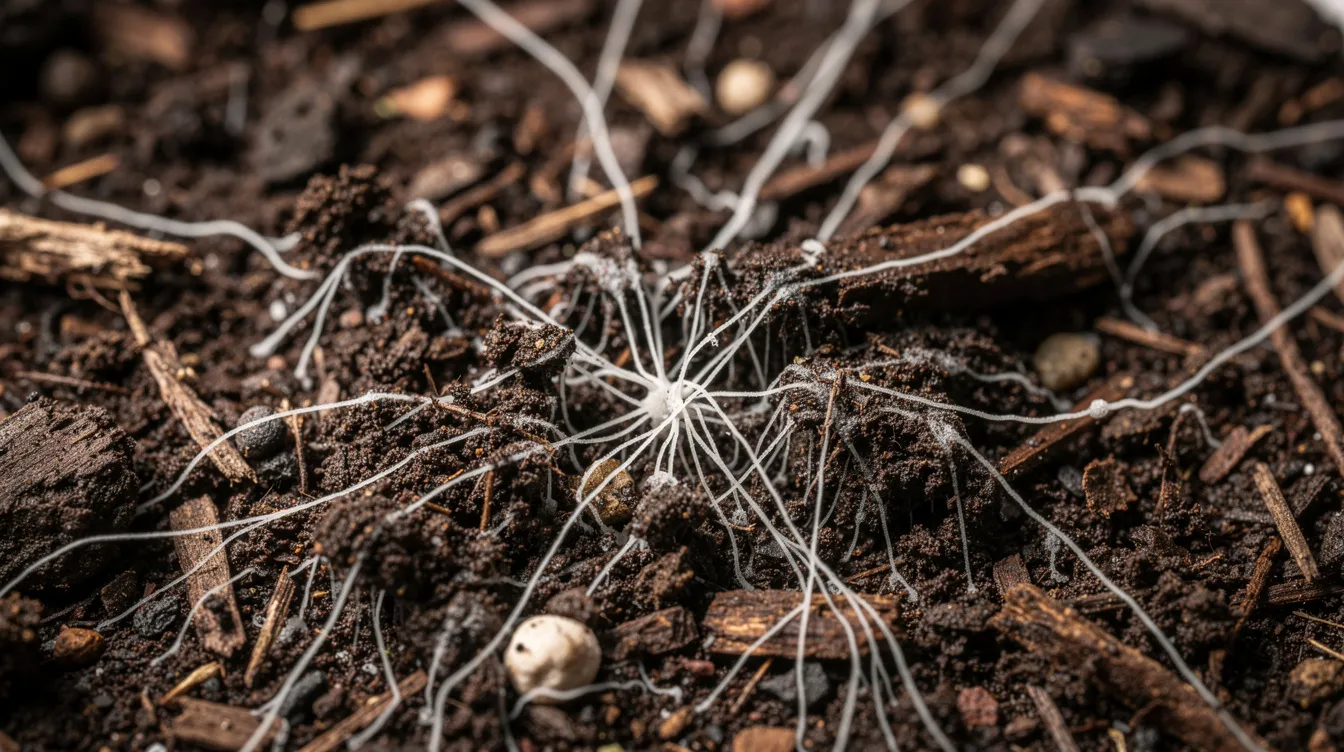
Cultivators of medicinal mushrooms manipulate these environmental conditions precisely, controlling temperature, humidity, fresh air exchange, and light cycles to trigger fruiting on demand. This is how supplement-grade mushrooms move from biology to bottle.
What Is the Fruiting Body? Structure, Function, and Uses
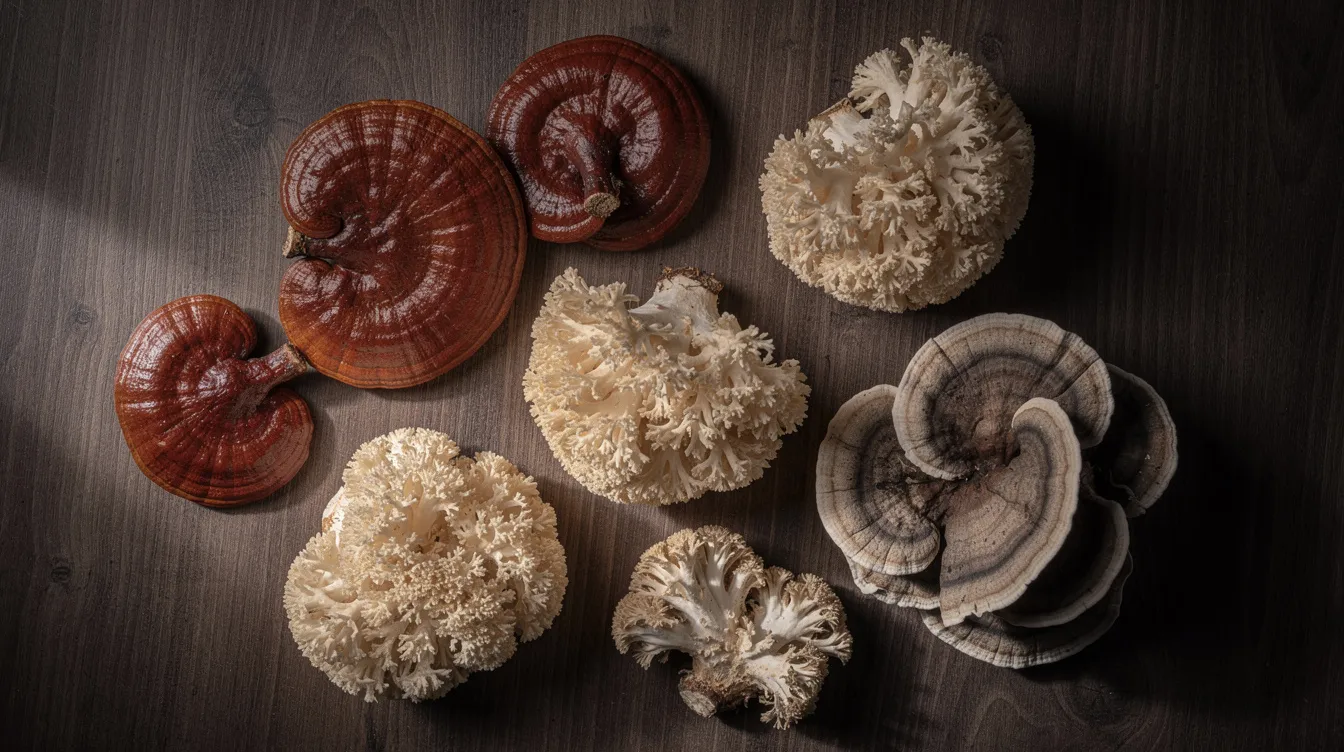
The fruiting body is the visible reproductive structure of a fungus. It's the actual mushroom you'd spot on a forest floor or a grocery shelf: cap, stem, gills, pores, or in the case of lion's mane, cascading "teeth." Some fruiting bodies are subterranean (truffles, for instance), but all serve the same reproductive purpose.
Biologically, the whole mushroom fruiting body concentrates energy and metabolites to support spore production. This process generates high levels of structural polysaccharides, pigments, and antioxidants for protection. Fruiting bodies are the visible part of the mushroom and are often denser in bioactive compounds compared to mycelium. Fruiting bodies provide a more concentrated form of nutrients because they pack defensive and reproductive chemistry into a compact mushroom body.
In culinary traditions and traditional chinese medicine, fruiting bodies of shiitake, reishi, turkey tail, and lion's mane have centuries of documented use. In the supplement industry, fruiting body extracts typically refer to dried whole mushroom body tissue that has been extracted with hot water and/or ethanol, then concentrated into mushroom powder, capsules, or tinctures.
What Is Mycelium? The Hidden Network Behind Functional Mushrooms
Mycelium is the vegetative body of the fungus. It consists of thread-like filaments called hyphae that interweave into a root like system spreading through wood, soil, or a grain substrate. While often described as analogous to tree roots, mycelium is functionally the entire organism-the fruiting body is just its temporary reproductive structure.
Ecologically, mycelium absorbs nutrients by secreting enzymes that break down organic matter. It forms mycorrhizal partnerships with tree roots, facilitating nutrient exchange across forest ecosystems. Mycelium also serves as a defensive structure, producing antibiotics against microbial competitors. The primary role of mycelium is growth and nutrient absorption, making it the engine behind the fungal life cycle.
For mushroom supplements, mycelium contains polysaccharides (including beta glucans), enzymes, and secondary metabolites. Growing mycelium commercially typically involves inoculating sterilised grain like rice or oats, or cultivating it in submerged liquid fermentation tanks. Mycelium products range from raw mycelium grown on grain to pharmaceutical-grade liquid-fermented preparations like CS-4 Cordyceps, which has been evaluated in controlled human trials for fatigue and respiratory support. This underscores that mycelium can be a legitimate medicinal raw material when production is rigorous.
Nutrient Composition: Fruiting Body vs Mycelium (Overview)
The nutrient signatures of fruiting body and mycelium differ substantially, though exact profiles vary by species and cultivation practices.
Fruiting bodies generally show higher total beta glucan content and a more diverse range of secondary metabolites. Triterpenoids (ganoderic acids in reishi, inotodiol in chaga), phenolic antioxidants, and complex polysaccharides are hallmarks of fruiting body chemistry. Fruiting bodies contain no starch, only glycogen as a storage carbohydrate, keeping their nutritional content focused on fungal compounds.
Mycelium can be richer in certain intracellular compounds, including ergosterol, some sterols, certain peptides, and beneficial compounds that form during vegetative growth. However, the polysaccharide profile often differs: mycelium may contain different ratios of low-molecular-weight metabolites and cell wall components.
A critical distinction: beta glucans are fungal cell walls polysaccharides with (1,3;1,6) linkages-the compounds linked to immune modulation. Alpha glucans, by contrast, are starch-derived carbohydrates from grain substrates. Mycelium products can contain 35–40% starch due to grain, which inflates apparent "polysaccharide" numbers without contributing the same beneficial plant compounds found in fungal beta glucans.
Fruiting bodies have more chitin in their cell walls, meaning hot water extraction is often necessary to liberate polysaccharides. Some mycelial preparations have lower chitin and may yield polysaccharides more readily. Both parts can offer potential health benefits, but which metabolites you're after-immune modulation, neurotrophic support, anti inflammatory activity-should guide your choice.
Beta Glucans and Key Bioactives: Where Are They Most Concentrated?
Beta glucans are fungal polysaccharides with (1,3;1,6) linkages, and they are the primary compounds behind the immune-modulating reputation of medicinal mushrooms. Higher beta glucan content generally correlates with stronger immunological activity in published research.
Fruiting bodies consistently deliver more beta glucans than grain-grown mycelium products. A 2014 study on shiitake found beta glucan content in the cap (pileus) at roughly 20–44% dry weight and in the stipe up to approximately 57%. Mycelium of the same strains ranged lower, around 15–27%. In commercial products, fruiting body extracts contain 30–40% beta glucans on average, while many mycelium-on-grain powders fall to the low single digits-mycelium typically has only 5–7% beta glucans, sometimes approaching zero when grain substrate dominates.
Beyond beta glucans, key compounds diverge sharply by mushroom part:
· Triterpenoids (reishi, chaga): Fruiting bodies produce more triterpenoids than mycelium. A USDA analysis of Reishi samples found 88 triterpenoids in fruiting bodies and none detectable in mycelium biomass under the same conditions.
· Lion's mane: Fruiting body contains hericenones (benzaldehyde derivatives), while mycelium can be rich in erinacines (diterpenoid compounds). Both compound classes have shown neurotrophic potential, but they work through different mechanisms.
· Turkey tail: Polysaccharopeptides like PSP and PSK have been studied primarily from turkey tail fruiting bodies.
Mycelium is not devoid of beta glucans. Liquid-fermented pure mycelium can contain meaningful beta glucan levels. But many commercial mycelium products are diluted by grain, and the distinction matters enormously for nutritional benefits.
Grain-Grown Mycelium and the Starch Question
Most commercial mycelium products use a straightforward production method: sterilised grain (often brown rice, oats, or sorghum) is inoculated with fungal culture and incubated until the mycelium colonizes the grains. The entire myceliated grain mass is then dried, milled, and sold as mushroom powder or lightly extracted for dietary supplements.
The problem is separation. Mycelium penetrates deeply into grain kernels, making mechanical separation impractical for most producers. The final product is a blend of fungal tissue and intact grain substrate. Many mycelium products are 80–90% grain content by weight. Mycelium-on-grain products often contain 80–90% grain starch, which means the grain starch (alpha glucans) far outweighs the fungal beta glucans in each serving.
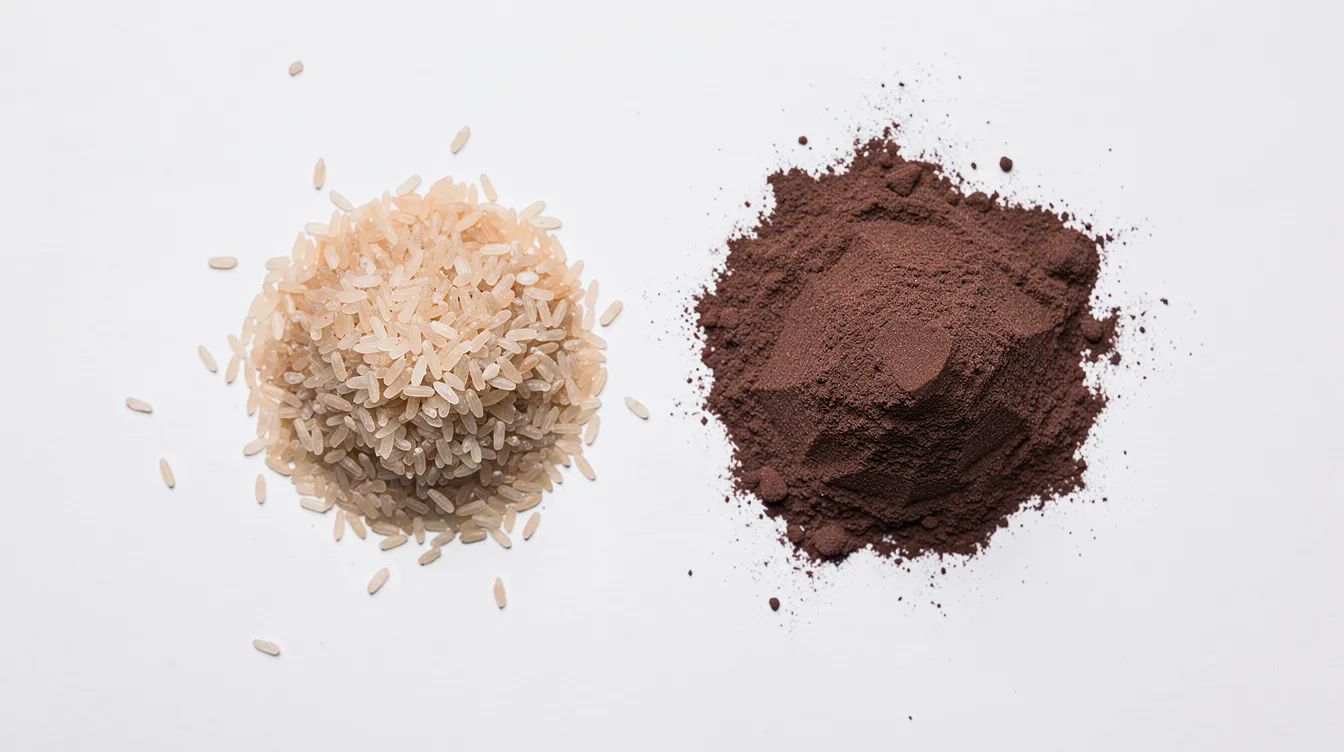
This creates a testing problem. Total polysaccharide assays count both fungal beta glucans and grain-derived alpha glucans, potentially inflating label claims. Beta-glucan-specific assays (such as the Megazyme enzymatic method) can distinguish true fungal beta glucans from starch, but not all manufacturers use them. An iodine test can indicate high starch levels in supplements-a simple but telling quality check.
For consumers seeking functional mushrooms, high starch means lower medicinal compound density per gram. You may end up paying a supplement-grade price for what is essentially mostly rice with traces of fungal material. This doesn't mean modest prebiotic or immune effects are impossible, but the value proposition shifts significantly compared to concentrated fruiting body extracts.
How Fruiting Bodies Are Grown, Harvested, and Extracted
Growing mushrooms for medicinal mushroom supplements follows a well-established cultivation pathway. It starts with grain spawn-pure mycelium colonizing sterilised grain, used purely as a "seed" to inoculate bulk substrate. The spawn is mixed into hardwood sawdust blocks (for shiitake, lion's mane) or packed into bags or logs (for reishi, turkey tail).
During incubation, mycelium colonizes the substrate completely. Then cultivators introduce fruiting conditions: temperature shifts, increased humidity, fresh air exchange, and light exposure. These environmental conditions trigger the mycelium to form primordia, which develop into whole fruiting body mushrooms over days to weeks.
Harvesting happens at peak maturity, when beta glucan and triterpenoid concentrations are highest. Post-harvest, careful drying preserves active compounds. Research suggests drying temperatures between 35–55°C optimize beta glucan retention, while temperatures above 60°C can degrade some soluble polysaccharides.
Extraction transforms dried fruiting bodies into a concentrated form:
· Hot water extraction pulls beta glucans and water-soluble polysaccharides from tough cell walls.
· Alcohol (ethanol) extraction captures non-polar compounds like triterpenoids, sterols, and certain phenolics.
· Dual extraction combines both methods for full spectrum fruiting body extracts containing both beta glucans and triterpenes.
Properly executed fruiting body extracts are typically very low in starch and can be standardized to specific beta glucan and triterpenoid levels, giving consumers a quality product with transparent nutritional content.
How Mycelium Is Produced: Grain vs Liquid Fermentation
Two main methods dominate commercial mycelium production, and the method used dramatically shapes the final product.
Solid-state mycelium on grain (MOG) is the more common approach. Sterilised grain (rice, oats, sorghum) is inoculated with fungal culture and incubated in bags or jars. Equipment costs are lower and the technology is simpler. However, separating mycelium from grain is impractical, resulting in mixed biomass where mycelium grown on grain often contains 5–7% beta glucans and substantial grain starch. The mycelium vs fruiting body comparison becomes starkest here.
Submerged liquid fermentation grows mycelium in stainless-steel fermentation tanks filled with a defined nutrient broth. Mycelial mass forms pellets or mats that can be filtered, washed, and dried, yielding purer fungal material with minimal starch contamination. This method produces CS-4 Cordyceps and some pharmaceutical-grade products used in East Asian medicine. Cordyceps militaris, for instance, can be cultivated this way when wild fruiting bodies are unavailable or prohibitively expensive.
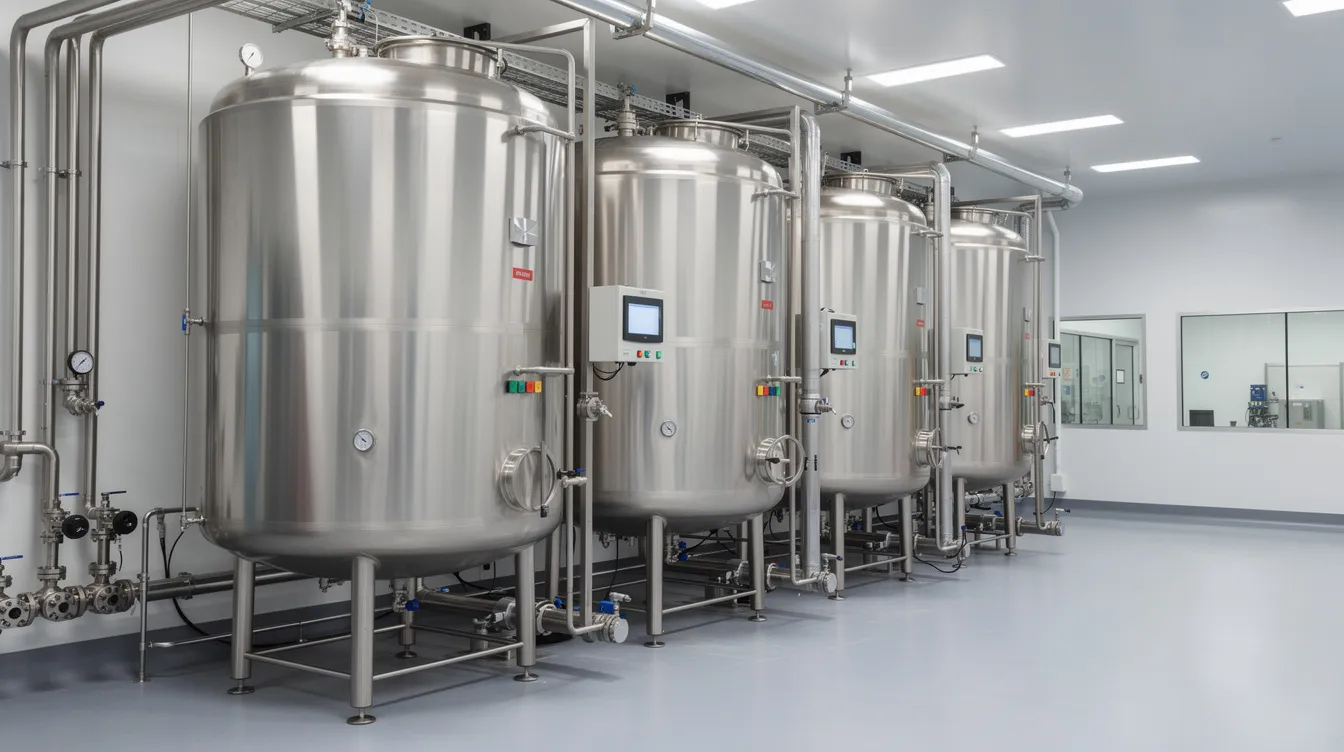
Mycelium grows faster than fruiting bodies, enabling shorter production cycles and greater scalability. Liquid fermentation can also be tuned to optimize certain metabolites-adjusting medium composition, pH, or oxygen levels to push production of specific active compounds like erinacines in lion's mane mycelium. However, liquid fermentation demands stringent quality control to prevent contamination and ensure batch-to-batch consistency.
The takeaway: "mycelium" on a label tells you almost nothing unless you know how it was produced. Grain-based and liquid-fermented mycelium are fundamentally different products.
Extraction Methods: Hot Water, Alcohol, and Dual Extraction
Raw mushroom powder-whether from fruiting bodies or mycelium-isn't fully bioavailable on its own. Chitin-rich cell walls and complex polysaccharide matrices lock away key compounds that simple digestion can't fully liberate. Extraction concentrates bioactive compounds and improves absorption.
Hot water extraction uses temperatures around 80–100°C to pull beta glucans, polysaccharides, and certain peptides from cell walls. This is the most traditional method, widely applied to reishi, turkey tail, maitake, shiitake, and lion's mane fruiting bodies. If you've ever made a mushroom decoction, you've done a crude version of this.
Alcohol (ethanol) extraction targets non-polar and semi-polar compounds that water cannot dissolve. This is critical for triterpenoids-ganoderic acids in reishi, betulinic acid derivatives in chaga-and certain sterols. Without alcohol extraction, these compounds remain trapped in the biomass. Sometimes a few drops of tincture deliver compounds that water-based products cannot.
Dual extraction combines both methods sequentially: hot water first for polysaccharides, followed by ethanol for triterpenes and other non-polar actives. Many high-end fruiting body extracts and some mycelium extracts use dual extraction to achieve a full spectrum profile. One Australian study on log-grown Reishi dual extract reported approximately 35% beta glucans alongside significant triterpenoid content.
Extraction ratios (e.g., 10:1) and standardization targets (e.g., ≥30% beta glucans, ≥2% triterpenes) are more meaningful indicators of potency than whether a product uses fruiting body or mycelium.
Label Literacy: How to Read Fruiting Body vs Mycelium on Mushroom Supplements
When purchasing mushroom products, the supplement facts panel holds the most useful information-if you know what to look for.
Identify the source. Look for phrases like "Hericium erinaceus fruiting body extract" versus "mycelium biomass on brown rice" versus "full spectrum mushroom (mycelium and fruiting body)." These distinctions tell you what you're actually consuming. "Fruiting body only" or "whole fruiting bodies" after the Latin name signals a fruiting body product. Terms like "myceliated grain," "MOG," or "solid-state cultivated mycelium" indicate grain-grown mycelium.
Check quantitative markers. High-quality mushroom supplements should list beta-glucan content as a percentage, ideally verified by third-party labs. For reishi or chaga products, triterpenoid or triterpene content should also appear. Look for extraction type disclosures: "hot water extract," "ethanol extract," or "dual extract," along with any extraction ratio.
Watch for red flags. Labels quoting only "polysaccharides" without specifying beta glucans are a concern-total polysaccharides include grain starch and don't reflect true medicinal compound density. Vague marketing language like "extracellular matrix" or "complete fungus" without analytical data is a good indicator of weak transparency.
If the label doesn't tell you the beta glucan percentage, the extraction method, and the mushroom part used, treat the product with skepticism.
Medicinal mushroom supplements backed by Certificates of Analysis (COAs) from independent labs give you the highest confidence that label claims match what's in the bottle.
Comparison Table: Fruiting Body vs Mycelium in Mushroom Supplements
The table below summarizes how fruiting body and mycelium typically appear in dietary supplements. Both can be effective when well produced, but poor-quality versions exist for both categories.
|
Attribute |
Fruiting Body (Typical Supplement Use) |
Mycelium (Typical Supplement Use) |
|---|---|---|
|
Source |
Whole mushroom fruiting body (cap, stem, gills/pores/teeth), cultivated on hardwood or logs |
Vegetative body grown on grain substrate (MOG) or via liquid fermentation |
|
Main bioactive compounds |
Beta glucans, triterpenoids, phenolic antioxidants, polysaccharopeptides |
Beta glucans (variable), ergosterol, certain peptides, erinacines (lion's mane) |
|
Typical beta glucan content |
30–40% in well-made extracts; higher beta glucan content than most mycelium products |
5–7% in grain-grown products; higher in liquid-fermented pure mycelium |
|
Starch content |
Very low to none (fruiting bodies contain no starch, only glycogen) |
Potentially 35–80%+ in myceliated grain; minimal in liquid-fermented mycelium |
|
Common uses |
Immune support, liver health, anti inflammatory support, cognitive function |
Immune support, cognitive support (lion's mane), energy (Cordyceps) |
|
Advantages |
Higher concentrations of studied bioactives, centuries of traditional use, easier to standardize |
Faster production cycles, scalable, can target specific mycelial metabolites |
|
Potential limitations |
Higher cost, longer cultivation time, some species difficult to fruit commercially |
Risk of grain dilution, fewer triterpenes, variable quality without strict QC |
Species Spotlight: Lion's Mane, Reishi, and Other Functional Mushrooms
Abstract comparisons only go so far. Here's how the fruiting body vs mycelium question plays out across specific medicinal mushrooms.
Lion's Mane (Hericium erinaceus)
Lion's mane may help relieve cognitive impairment and support nerve recovery, making it one of the most popular functional foods in the nootropic space. The fruiting body contains hericenones, while the mycelium can be rich in erinacines-diterpenoid compounds that have been shown in animal models to cross the blood-brain barrier and increase nerve growth factor (NGF) expression. Both compound classes support cognitive function, but through different pathways. A 2024 comparative study on Hericium species found both fruiting bodies and mycelia contain nutraceutical-grade bioactives (ergothioneine, glucans, tryptophan derivatives), though composition varied by species and cultivation flush.
Reishi (Ganoderma lucidum)
Reishi has centuries of traditional use for immune support, liver health, and the ability to reduce stress. Fruiting body extracts consistently show both high beta glucan content (19–43% in one analytical survey) and robust triterpenoid detection. Fruiting bodies are richer in triterpenoids than mycelium-a USDA-backed analysis found 88 distinct triterpenoids in Reishi fruiting bodies and zero detectable triterpenoids in mycelium biomass samples tested under identical conditions. For reishi, fruiting body extracts are the clearer choice for obtaining both beta glucans and triterpenes.
Turkey Tail, Shiitake, Maitake, and Cordyceps
Turkey tail fruiting bodies are the source of PSK and PSP, polysaccharopeptides studied in oncology support research across Asia. Shiitake fruiting bodies yield lentinan, a well-characterized beta glucan used in clinical settings. For Cordyceps, wild fruiting bodies are rare and expensive, but CS-4 Cordyceps mycelium-produced via liquid fermentation-has been evaluated in a double-blind, placebo-controlled trial in older adults (50–75 years), where it improved exercise performance and wellness markers. This is a clear case where a specific mycelium preparation has legitimate clinical backing.
Health Benefits and Evidence: What Research Actually Shows
Mushroom extracts can boost immune function and reduce stress-but what does the peer-reviewed evidence actually look like?
Immune modulation is the most studied benefit. Beta glucans from medicinal mushrooms activate natural killer cells, modulate cytokine production, and support balanced immune system responses. Much of this research uses standardized fruiting body extracts: PSK from turkey tail, lentinan from shiitake, and various Reishi preparations.
Cognitive and nerve health centers on lion's mane, where both fruiting body (hericenones) and mycelium (erinacines) preparations have demonstrated neurotrophic effects in animal models and early human studies. These compounds appear to modulate NGF and BDNF, proteins critical for nerve maintenance and repair.
Metabolic and antioxidant support has been observed across multiple species, with reishi and chaga showing effects on blood glucose, lipid profiles, and oxidative stress markers in preclinical research.
However, limitations are significant:
Study designs vary enormously in extract type, dosage, and duration
Relatively few large randomized controlled trials exist compared to pharmaceutical research
Directly comparing fruiting body vs mycelium across studies is difficult because extraction methods, standardization, and doses differ
Existing evidence broadly supports medicinal mushrooms as functional foods and dietary supplements with genuine potential health benefits. But "mushroom" on a label tells you little without knowing the species, the part used, the extraction method, and the dose. Consumers should prioritize mushroom products with transparent sourcing and testing, regardless of whether they use fruiting bodies or mycelium.
Fruiting Body vs Mycelium: Making Informed Choices as a Consumer
Here's how to turn the science into practical purchasing decisions when shopping for medicinal mushroom supplements.
For immune and general wellness support, fruiting body extracts with quantified beta glucan content (20–30%+) are often a strong default. These products deliver higher concentrations of the compounds most associated with immune modulation and come with a longer track record of traditional and clinical use.
For cognitive support with lion's mane, look for products specifying whether they use fruiting body, mycelium, or both. Ideally, the label should indicate the presence of hericenones, erinacines, or both. If the goal is neurotrophic support, a product containing mycelium-derived erinacines may offer something that a fruiting-body-only product does not.
For cost-sensitive users, understand the trade-offs. Cheaper myceliated grain products offer higher starch and lower active density per capsule, meaning you'd need substantially more to match the potency of a concentrated mushroom extract from fruiting bodies.
A simple purchasing checklist:
· Check the "part used"-fruiting body, mycelium, or both
· Look for beta glucan percentages and other active compounds, not just "polysaccharides"
· Verify third-party testing and Certificates of Analysis (COAs)
· Assess whether starch testing or grain content is disclosed
· Consider extraction method-hot water, ethanol, or dual extraction
When purchasing mushroom products, the security service of independent lab verification is your best protection against misleading labels. A product with a good indicator like ≥20% verified beta glucans and clear sourcing information is worth more than one making vague claims at a lower price point.
The core message: "fruiting body vs mycelium" matters less than "well-cultivated, well-extracted, and well-tested vs poorly documented."
Balanced Takeaway: When Fruiting Body or Mycelium May Be Preferable
Fruiting body extracts are often preferable when:
· You want higher beta glucan content with minimal starch
· You value centuries of culinary and medicinal use (reishi, shiitake, turkey tail)
· You're seeking standardized triterpenoids and polysaccharides from well-characterized whole fruiting body extracts
· Fruiting bodies are the visible reproductive structure of the fungus, and they concentrate the widest range of studied active compounds
Mycelium can be a strong choice when:
· Produced by liquid fermentation yielding pure mycelium with documented beta glucan and metabolite content (e.g., CS-4 Cordyceps)
· You're targeting specific mycelial metabolites like erinacines in lion's mane
· Manufacturers provide clear evidence of composition, low starch, and clinical or preclinical backing
Quality is defined by cultivation, extraction, standardization, and independent testing-not by a single word on the label. Both fruiting bodies and mycelium can form part of effective medicinal mushroom products and functional mushroom dietary supplements when handled correctly. The question isn't whether the mushroom part matters-it does. The question is whether the manufacturer has done the work to prove it.
Start by flipping over the bottle you already own. If you can't find a beta glucan percentage, an extraction method, and clarity on whether you're getting actual mushroom or mostly grain, it's time to upgrade.