
Maitake Mushroom Benefits: Immune, Stress & Heart Support from "Hen of the Woods"
Few mushrooms have earned as much attention from both chefs and researchers as the maitake. Known as the dancing mushroom in Japan and hen of the woods in English, this frilly fungus has been prized for centuries as both a culinary delicacy and a powerful health tonic. Today, a growing body of research suggests that maitake mushroom benefits extend from immune system support and cardiovascular health to blood sugar regulation, stress resilience, and even potential anticancer properties. Here's what the science actually says - and how to make the most of this remarkable edible mushroom.
Overview of Maitake Mushroom Benefits
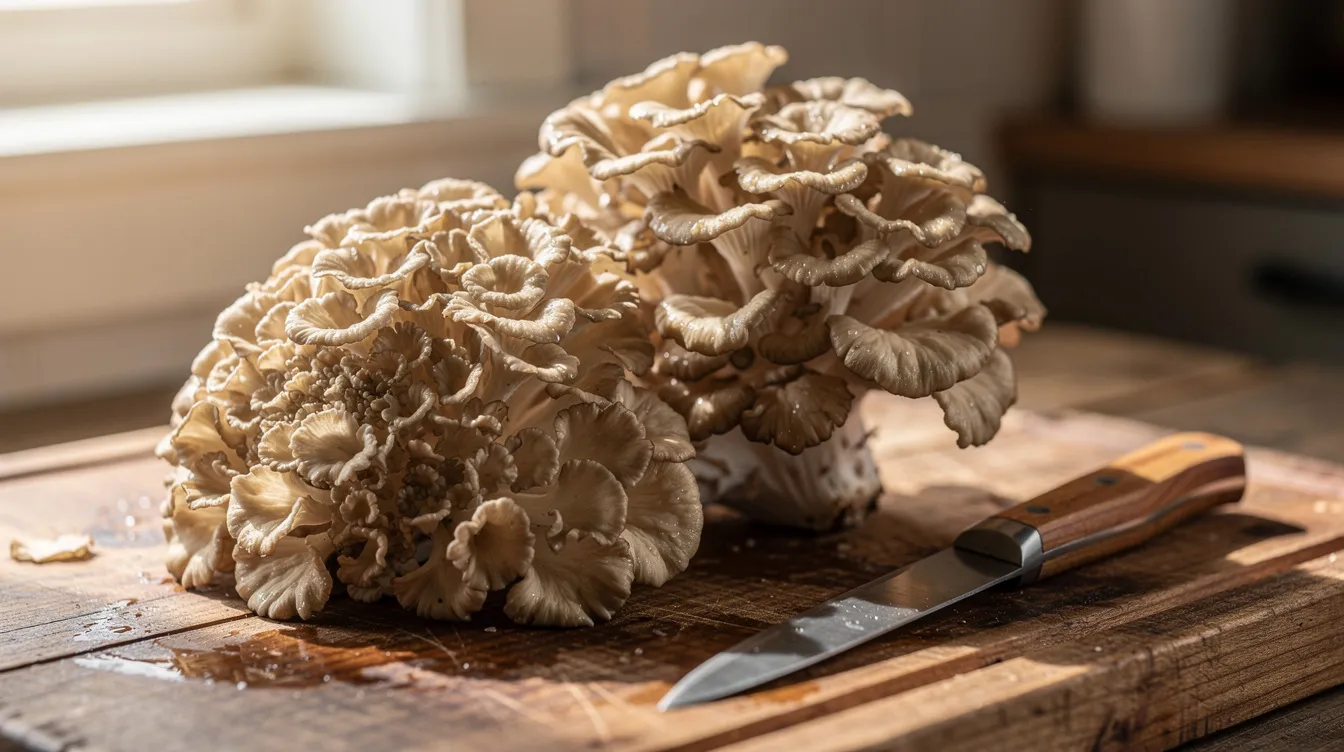
Maitake mushrooms (Grifola frondosa) are large, layered fungi that grow at the base of hardwood trees, particularly oak. Japanese foragers reportedly danced with joy upon finding them in the wild - hence the name "dancing mushroom." In English-speaking countries, the overlapping fronds that resemble ruffled chicken feathers gave rise to the nickname hen of the woods.
The key health benefits drawing modern interest include:
-
Immune modulation through beta-glucans and other bioactive polysaccharides
-
Cardiovascular support via cholesterol and blood pressure effects
-
Blood sugar balance through improved insulin sensitivity
-
Stress and anxiety resilience from adaptogenic and anti-inflammatory actions
-
Potential anticancer effects, particularly in breast cancer research
Both fresh maitake and concentrated maitake supplements are used in traditional medicine and modern functional nutrition for their rich profile of bioactive compounds. That said, most of the strongest evidence comes from animal research, cell studies, and limited clinical trials, so the various health benefits discussed here should be understood as potential health benefits - promising leads, not guaranteed cures.
What Are Maitake Mushrooms?
Maitake mushroom, scientifically classified as the edible basidiomycete Grifola frondosa, is a large, brownish-gray mushroom with distinctive fan-shaped, overlapping fronds. It typically grows in dense clusters at the base of oak, elm, and other hardwood trees, sometimes reaching weights of 20 kg or more.

The edible mushroom Grifola frondosa thrives in temperate forests across Japan, China, Europe, and North America. Its natural fruiting season runs from late summer through November. In Japanese and Chinese medicine, maitake has a long history of use as a tonic for vitality, immune support, and resilience to external stressors. Maitake mushrooms have a history of use in culinary and traditional wellness practices that stretches back centuries, anchoring them as one of the most respected medicinal mushrooms in East Asian herbalism.
Nutritional Profile of Maitake Mushroom
Maitake's health promoting properties stem from both its conventional nutrients and its unique beneficial compounds. A 77-gram serving of maitake provides significant nutrients while remaining remarkably low in calories - roughly 30 kcal per 100 g of fresh maitake.
Key nutrients per 100 g of fresh maitake include:
|
Nutrient |
Amount |
|---|---|
|
Protein |
~1.9 g |
|
Carbohydrate |
~7.0 g |
|
Dietary fiber |
~2.7 g |
|
Fat |
~0.2 g |
|
Potassium |
~204 mg |
|
Phosphorus |
~74 mg |
|
Niacin (B3) |
~6.6 mg |
|
Copper |
~0.25 mg |
Maitake mushrooms are an outstanding source of vitamin D when exposed to UV light, with some samples measuring 48–63 µg/100 g of D₂ - beneficial for bone health and immune function. They also provide dietary fiber that can promote healthy digestion, along with B vitamins including riboflavin and thiamine. Vitamin C is present only in trace amounts in raw maitake, and sodium content is negligible, making maitake a cholesterol-free, heart-friendly food.
Beyond the nutritional value of standard vitamins and minerals, maitake contains powerful bioactive compounds: beta-glucan polysaccharide fractions (D-fraction, MD-fraction, SX-fraction), ergosterol (a vitamin D precursor), phenolic antioxidant compounds, and triterpenes.
Bioactive Compounds and How They Work
Bioactive compounds are natural chemicals in maitake that influence the body's physiology beyond basic nutrition. These are the molecules driving most of the medicinal properties attributed to this mushroom.
Beta glucans - complex polysaccharides with branched molecular structures - are the most studied group. They bind to receptors on immune cells, particularly Dectin-1, to modulate the immune response. Maitake mushrooms contain antioxidants that combat oxidative stress, including phenolic compounds and ergothioneine that scavenge free radicals and may reduce cellular damage linked to aging and chronic disease.
The named fractions matter:
-
Maitake D-fraction and MD-fraction are linked to immune activation and anticancer effects in cancer research
-
SX-fraction is associated with improved insulin sensitivity and blood sugar control via the insulin signal transduction pathway
Other compounds such as triterpenes, fatty acids, and secreted proteins contribute to anti-inflammatory and antioxidant properties. Most mechanisms are derived from cell and animal studies, so they outline possible pathways rather than proven effects in all humans. Still, the synergistic potentiation of these compounds - working together rather than in isolation - is a major reason maitake stands out among medicinal mushrooms.
Immune System Support
Maitake mushrooms are among the most widely studied functional foods for their influence on immune function. The mushroom's beta-glucans and intracellular zinc polysaccharides interact with multiple arms of the immune system, producing effects that go well beyond simple "immune boosting."
Maitake mushrooms are rich in beta-glucans that stimulate the immune system by activating macrophages, natural killer cells, and certain T-cell subsets. D-fraction from maitake increases natural killer cell activity by 1.5 to 2.2 times, enhancing immune surveillance against both pathogens and abnormal cells. Maitake mushrooms stimulate the production of cytokines like IL-12 and TNF, and maitake D-fraction enhances IL-1 production in treated mice, amplifying the immune response cascade.
In human research, maitake extract improved immune response in patients with myelodysplastic syndrome, showing enhanced neutrophil and monocyte function. A Phase I/II clinical trial in 34 postmenopausal breast cancer survivors measured 146 immune parameters and found 25 with statistically significant dose-response relationships. These included increased oxidative burst in granulocytes, elevated IL-2, IL-10, TNF-α, and IFN-γ production, and changes in natural killer cell and activated T-cell populations. The optimal immune effects were often seen around 5–7 mg/kg/day of maitake mushroom extract, and the extract was well tolerated with no dose-limiting toxicity.
Crucially, maitake's immune effects are modulatory - meaning maitake polysaccharides can both stimulate and fine-tune immune cells depending on context. Some markers actually decreased at higher doses, suggesting a balancing role rather than indiscriminate activation. This immunomodulating property is significant for people dealing with chronic inflammation.
People with autoimmune disease, those on immunosuppressive therapy, or cancer patients should consult a clinician before taking maitake supplements at concentrated doses. The complex immune effects require professional guidance.
Potential Anticancer Benefits (Including Breast Cancer)
Maitake mushrooms are studied for potential anti-cancer effects, but they are not a proven treatment. Current cancer research positions maitake as a complementary approach, not a standalone cancer therapy.
That said, preclinical evidence is compelling. Maitake D-fraction can reduce breast cancer cell viability by 70% in cell culture models, working through mitochondrial depolarization and activation of proapoptotic genes like BAK-1. Maitake extracts can induce apoptosis in prostate cancer cells through similar pathways. Animal studies show maitake affects various cancer types positively, with meta-analyses of preclinical data reporting significant reductions in tumor volume, higher remission rates, and consistent increases in immune markers. Maitake D-fraction reduces tumor progression in these models while maitake can enhance immune cell activity against tumors.
In the breast cancer survivor trial mentioned above, maitake extract altered immune parameters in complex, dose-dependent ways - some stimulatory, some regulatory. Maitake polysaccharides may protect against chemotherapy side effects by supporting immune recovery, though this evidence is still from small clinical trials and pilot studies.
A clear disclaimer is essential: current data do not justify replacing standard cancer treatments with maitake. It should only be considered as part of an integrative plan approved by an oncologist. Future research, including larger randomized controlled trials, will clarify where maitake fits in molecular medicine and integrative oncology.
Blood Sugar Balance and Metabolic Support
Maitake's effects on glucose metabolism represent one of the more exciting areas of animal research and early human observation. The SX-fraction and related maitake polysaccharides appear to activate insulin receptors, improve insulin signaling through the insulin signal pathway, and increase glucose uptake in muscle tissue.
In cell studies, the SX-fraction reversed suppression of key components in the insulin signal transduction pathway - including insulin receptor substrate-1 and protein kinase B (Akt). Maitake polysaccharides activate insulin receptors to lower blood sugar, and maitake extract activates PPARδ, which improves glucose intolerance in metabolic models. Maitake may also inhibit alpha-glucosidase, an enzyme that breaks down complex carbohydrates, to reduce blood sugar spikes after meals.
In streptozotocin-induced hyperglycemic mice and other diabetic animal models, maitake extracts improve insulin sensitivity, reduce fasting blood glucose, and enhance lipid profiles. Results in high fat diet fed animals have been similarly encouraging, showing that maitake improves glucose intolerance across multiple metabolic parameters.
Limited human case studies tell a striking story. In patients with type 2 diabetes, SX-fraction supplementation alongside standard therapy reduced fasting blood glucose by approximately 30–60% over 2–4 weeks. One individual with a baseline fasting glucose of ~260 mg/dL dropped to ~90–100 mg/dL - a roughly 63% decrease - with increased insulin secretion as one contributing mechanism.
If you have diabetes or take blood sugar-lowering medications, use maitake carefully and only under medical guidance. The risk of hypoglycemia is real when maitake's effects combine with pharmaceutical insulin sensitizers.
Cardiovascular Health and Cholesterol Support
Maitake's beta-glucans and antioxidant compounds extend their influence to cardiovascular health through effects on cholesterol levels, triglycerides, lipid metabolism, and blood pressure.
Maitake mushrooms may help reduce cholesterol levels and support cardiovascular health - and the animal data are surprisingly robust. Maitake can lower triglyceride and cholesterol levels in rats, with some studies showing maitake mushrooms can lower cholesterol levels by 30–80% depending on the model and dose. Maitake consumption may improve lipid metabolism in animals by binding bile salts and cholesterol in the gut, increasing fecal cholesterol excretion, and modulating hepatic lipid-metabolizing gene expression. Maitake mushrooms can lower triglyceride levels significantly through these overlapping mechanisms.
On blood pressure, maitake mushrooms reduced systolic blood pressure by 15 mm Hg in rats when maitake D or SX fractions were administered at therapeutic doses alongside controls.
Improved blood sugar control and reduced inflammation from maitake's bioactive compounds could indirectly support cardiovascular health by addressing the metabolic syndrome cluster - insulin resistance, elevated lipids, hypertension, and chronic low-grade inflammation.
From a practical standpoint, maitake is a heart-friendly food choice as part of a diet rich in vegetables, whole grains, and other functional foods. Adding it regularly alongside other medicinal mushrooms can contribute to a dietary pattern that supports long-term vascular health.
Stress, Adrenal Support, and Anxiety
This is where maitake's medicinal benefits intersect with some of its most sought-after applications. Maitake is increasingly discussed as an adaptogenic mushroom - a substance that may help normalize physiological functions and support the body's resilience to physical and emotional stressors.
An adaptogen, in brief, is a compound that helps the body maintain homeostasis under stress, supporting adrenal function and helping the nervous system recover from overactivation. While maitake isn't classified as a classic adaptogen like ashwagandha or rhodiola, its multisystem effects position it in a similar functional space.
How does this work? Maitake's impact on blood sugar balance, inflammation, and immune function can indirectly support adrenal health and stress response. When blood sugar is stable, insulin resistance is reduced, and systemic inflammation is dampened, the adrenal glands face less metabolic pressure - potentially reducing cortisol overproduction and the fatigue cycle that follows.
A 2026 randomized, double-blind, placebo-controlled trial using a medicinal mushroom blend (including beta-glucan-rich mushrooms like maitake) found significant reductions in anxiety (measured by STAI-S and HAM-A scales), depression, general fatigue, and physical fatigue over 12 weeks. The study also documented reductions in morning cortisol, ACTH, and CRP - biological stress markers that connect immune and endocrine function. While not exclusively maitake, the results support the concept that mushroom-derived beta-glucans and protein mediators may have meaningful adaptogenic effects.

Emerging animal research suggests maitake's proteo-beta-glucans may influence neuroimmune pathways related to mood and anxiety, including anti-aging activities linked to reduced oxidative damage in the brain. However, robust human clinical trials focused specifically on maitake and anxiety are still limited, so benefits should be framed as promising but not guaranteed. People commonly report using maitake for anxiety and to buffer adrenal stress, and the mechanistic rationale is sound - but more data are needed.
Weight Management, Gut Microbiome, and Nervous System Effects
Maitake may influence body weight, gut flora, and the nervous system through overlapping mechanisms - areas where the lines between metabolic health and brain function increasingly blur.
In animal studies, maitake supplementation led to reduced visceral fat, lower body weight, and improved markers of metabolic syndrome, particularly in high fat diet models. The mechanisms appear linked to improved insulin sensitivity, reduced lipogenesis, and enhanced fatty acid oxidation.
Maitake polysaccharides can act as prebiotic fibers that feed beneficial gut bacteria, potentially improving digestion, immune function, and metabolic health through the gut–immune–brain axis. Clinical research suggests maitake mushrooms may offer cognitive benefits for older adults, and preliminary findings in animal models indicate that certain maitake components may support cognitive function and mood through antioxidant and anti-inflammatory effects in neural tissue. In listeria-infected mice, maitake fractions enhanced immune clearance, demonstrating the mushroom's ability to support immune defense even under acute biological stress.
Human data on weight, gut microbiome changes, and nervous system effects remain sparse. These are intriguing potential health benefits rather than established therapeutic uses, and future research will likely focus on the gut microbiome modulation angle as a unifying mechanism.
Maitake for Women's Health and Hormonal Balance
Maitake may influence female hormonal health through its well-documented effects on insulin sensitivity and metabolic balance - factors tightly linked to reproductive hormones.
Small clinical studies have reported that maitake extract supported ovulation in women with ovulatory dysfunction or polycystic ovary–like patterns, particularly when combined with standard drug therapy. The hypothesis is that improving insulin sensitivity and reducing inflammation may promote more regular cycles and ovulation - since insulin resistance is a core driver of hormonal imbalance in conditions like PCOS.
Maitake is also being explored for menopause-related health, including bone, cardiovascular, and mood support, partly because of its vitamin D content and systemic anti-inflammatory effects. However, published human trials specifically targeting hormone endpoints remain scarce.
Women who are pregnant, breastfeeding, or undergoing fertility treatments should consult their healthcare provider before starting maitake supplements. The hormonal and immune effects, while generally positive, require professional oversight in these sensitive contexts.
Fresh Maitake vs. Maitake Supplements
The choice between fresh maitake mushrooms and concentrated maitake supplements depends on your goals and how much bioactive potency you need.
Fresh maitake provides fiber, vitamins, minerals, and moderate doses of bioactive compounds. It's ideal for regular dietary use, adding nutritional value and medicinal values to everyday meals without the risk of overconsumption. Fresh maitake also offers culinary pleasure that capsules can't match.
Maitake supplements - including hot-water extracts, dual-extracted tinctures (water and alcohol), powders, and encapsulated extracts - concentrate beta-glucans and specific fractions to levels seen in clinical trials. Common forms include:
-
Standardized maitake D-fraction capsules
-
MD-fraction liquid extracts
-
SX-fraction for metabolic support
-
Whole maitake fruit body powders
Quality varies widely. When taking maitake supplements, look for products that specify fruiting body use, extraction method, beta-glucan percentages, and independent testing for purity. Products made from mycelium grown on grain may contain significant starch filler and lower concentrations of the beneficial compounds you're actually seeking.
How to Include Maitake Mushrooms in Your Diet
Maitake mushrooms have a meaty, earthy flavor with a slightly peppery, umami-rich depth and a firm, satisfying texture. Maitake mushrooms are commonly used in Japanese recipes, but they adapt beautifully to virtually any cuisine.
Maitake can be sautéed, roasted, or grilled. Here are practical ideas:
-
Sautéed maitake in olive oil with garlic and fresh herbs - the simplest preparation and one of the best
-
Roasted maitake "steaks" at high heat until the edges crisp
-
Grilled maitake with soy-ginger or Asian-style marinades
-
Added to soups, stews, pasta, and risottos for depth and nutrition
-
Maitake in grain bowls or salads - maitake can be added to salads, pasta, and soups for a functional food boost
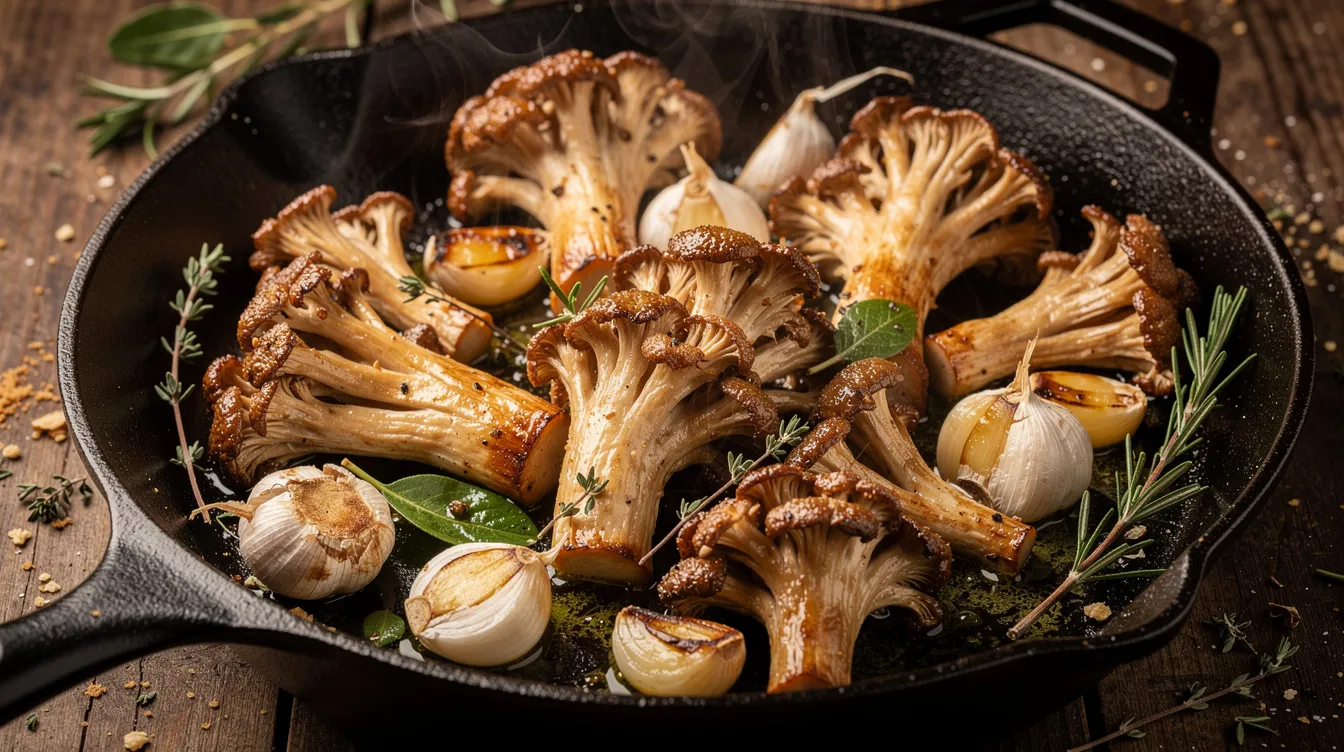
Cook maitake thoroughly for better digestibility and to unlock nutrients; avoid eating large amounts raw. Maitake powder can be blended into broths, sauces, or savory smoothies, or added to morning scrambles for a daily functional mushroom boost.
Start with small portions and increase gradually to monitor tolerance, especially if you're new to medicinal mushrooms.
Dosage Guidelines, Safety, and Side Effects
There is no universally agreed therapeutic dose for maitake. Clinical studies often use standardized extracts, while culinary use is naturally self-limiting.
General guidance for supplements:
|
Purpose |
Typical Dose Range |
|---|---|
|
General wellness |
500–1,000 mg extract daily |
|
Immune support |
1,000–1,500 mg extract, 1–3x daily |
|
Metabolic support |
Per product instructions; SX-fraction doses vary |
Oral administration of maitake extract was well tolerated at doses up to 10 mg/kg/day in clinical trials, with no serious adverse events.
Common mild side effects:
-
Digestive upset (gas, bloating, loose stools)
-
Nausea, especially at high initial doses
-
Rare allergic reactions in sensitive individuals
Important interactions to watch:
-
Diabetes medications - risk of hypoglycemia from additive blood sugar-lowering effects
-
Blood pressure drugs - potential for hypotension
-
Anticoagulants or antiplatelet agents - theoretical bleeding risk
Groups who should seek medical advice before use: people with diabetes, heart disease, autoimmune conditions, those taking immune-modulating drugs, pregnant or breastfeeding women, and cancer patients - especially those with breast cancer undergoing active treatment.
Choosing Quality Maitake Products
Not all maitake supplements are equal. The difference between a well-made extract and a low-quality powder can be enormous in terms of potency and safety.
What to look for:
-
Products made from the maitake fruit body (fruiting body) rather than mycelium on grain - fruiting bodies generally contain higher concentrations of beta-glucans and other bioactive compounds
-
Standardized extracts that clearly list beta-glucan percentages or specific fractions (e.g., D-fraction content), not just "mushroom powder"
-
Third-party testing for heavy metals, pesticides, and microbial contamination
-
Transparent sourcing and manufacturing practices
Consider your primary goal when selecting products. For immune support, a D-fraction or MD-fraction extract may be most relevant. For metabolic health and insulin resistance, an SX-fraction product might be the better fit. For general wellness and anti-aging activities, a whole fruiting body extract with verified beta-glucan content offers broad-spectrum coverage.
Key Takeaways on Maitake Mushroom Benefits
Maitake mushrooms offer a compelling intersection of culinary enjoyment and functional health support. Here's what stands out from the current evidence:
-
Immune system modulation is the best-supported benefit, with human data showing measurable changes in immune cells, natural killer cell activity, and cytokine production
-
Cardiovascular health support includes cholesterol and triglyceride reduction, blood pressure effects, and improved lipid metabolism in animal research
-
Blood sugar regulation through the insulin signal pathway, with maitake's ability to activate insulin receptors and improve insulin sensitivity documented across cell, animal, and limited human studies
-
Stress and anxiety relief is supported by emerging clinical data on mushroom beta-glucans reducing cortisol and anxiety scores, though maitake-specific human trials are still needed
-
Adrenal resilience is mechanistically plausible through maitake's metabolic and anti-inflammatory effects
-
Possible anticancer properties, particularly in breast cancer models, warrant continued investigation as part of integrative care under medical supervision
Much of the strongest evidence comes from cell and animal research, with human clinical trials emerging but still limited in size and scope. Maitake is best understood as a supportive part of a broader wellness strategy - integrated with medical care, a balanced diet, movement, and stress-management practices - rather than a standalone cure.
Whether you're roasting fresh maitake for tonight's dinner or exploring a thoughtfully chosen extract to support your health goals, this mushroom's centuries-old reputation continues to earn modern respect. The medicinal benefits of maitake are real enough to take seriously and promising enough to keep watching as future research fills the remaining gaps.