
Lion's Mane Mushroom Benefits: What Science Really Says About Hericium erinaceus
Lion's mane mushroom is one of the few natural compounds with human clinical trial data supporting its effects on the brain. The fungus, known formally as Hericium erinaceus, has been tested in people with mild cognitive impairment, early Alzheimer's disease, and healthy young adults, producing measurable changes in memory scores, reaction times, and mood markers. This article breaks down what the research actually shows, where the evidence is strong, and where it falls short.
Quick Answer: Key Benefits of Lion's Mane Mushroom
Lion's mane is a medicinal mushroom studied across multiple domains of health. Its best-supported potential health benefits center on brain health and cognitive function, with growing data on mood, immune function, and gut health. Here is what the current evidence base looks like:
|
Benefit Area |
Strength of Evidence |
Key Source |
|---|---|---|
|
Memory and cognitive decline in MCI/Alzheimer's |
Small human trials (positive) |
Mori 2009; EAHE 2020 |
|
Focus and processing speed in healthy adults |
Pilot human trial (positive, modest) |
Northumbria 2023 |
|
Mood, anxiety, and sleep disorders |
Small human trials (positive) |
Milan 2025; menopausal study |
|
Hippocampal cell growth and neurogenesis |
Animal studies (strong); human biomarkers (indirect) |
Multiple rodent models |
|
Immune system modulation |
Animal and in vitro (promising) |
Polysaccharide studies |
|
Anti-inflammatory and antioxidant effects |
Lab and animal studies (consistent) |
Multiple preclinical models |
|
Gut health and ulcer protection |
Animal and limited human data |
H. pylori inhibition studies |
|
Heart and metabolic health |
Animal data only |
Lipid metabolism studies |
Lion's mane mushroom supplementation in clinical trials used doses of 1.8 to 3 g/day for 4 to 49 weeks. Side effects were mild and infrequent. Talk to a healthcare provider before taking lion's mane if you use blood thinners, blood sugar medications, or have chronic conditions.
What Is Lion's Mane (Hericium erinaceus)?
Lion's mane is a white, shaggy mushroom with cascading, tooth-like spines that grows on dead or dying hardwood trees in temperate forests across North America, Europe, and Asia. It looks nothing like a typical cap-and-stem mushroom; its appearance resembles a white waterfall or, as its name suggests, a lion's mane.
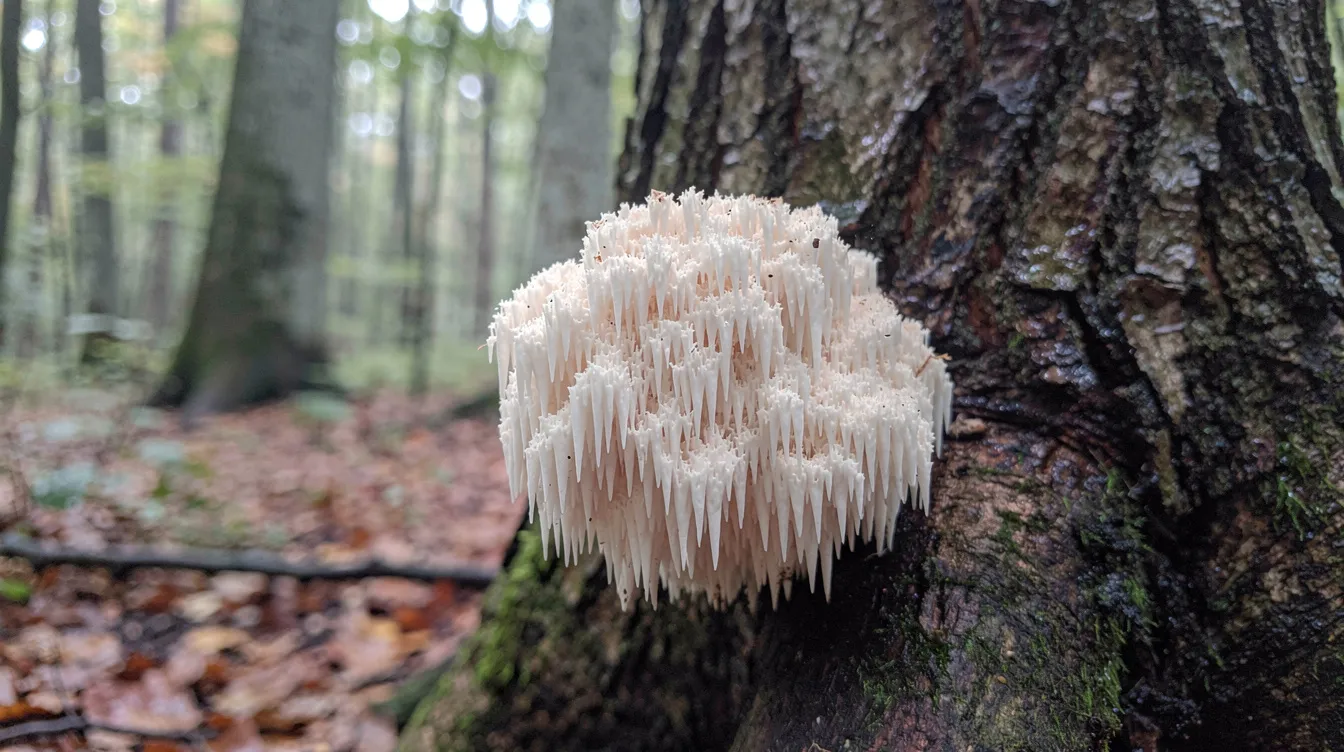
Its Latin name is Hericium erinaceus. Other common names include monkey head mushroom, pom-pom mushroom, yamabushitake (Japan), and hóu tóu gū (China). Lion's mane is traditionally used for its medicinal properties in Eastern medicine. In traditional Chinese medicine and Japanese herbal practice, it was prescribed for digestive complaints, fatigue, and general vitality. References appear in materia medica texts dating to the 16th through 18th centuries.
Modern interest in lion's mane centers on its bioactive compounds, especially hericenones and erinacines, which stimulate nerve growth factor NGF production in lab settings. Beyond its role as a functional food with various health benefits beyond cognitive function, lion's mane is also a gourmet culinary mushroom with a texture often compared to crab or scallop meat.
Active Compounds Behind Lion's Mane Health Benefits
The effects of lion's mane trace back to specific molecules isolated from both the fruiting body and the mycelium. These natural compounds fall into several groups:
-
Polysaccharides (β-glucans): Large sugar molecules that modulate the immune system. Polysaccharides in lion's mane stimulate immune cells like macrophages and may contribute to anti-cancer and cholesterol-lowering effects observed in preclinical models.
-
Terpenoids: Hericenones (from the fruiting body) and erinacines (from the mycelium) are the primary neuroactive compounds. Both hericenones and erinacines can promote neurite outgrowth, which is essential for nerve cell recovery. Erinacine A applied to rat astroglial cells increased NGF mRNA and protein expression, while hericenone E enhanced NGF-induced neurite outgrowth via MEK/ERK and PI3K-Akt pathways.
-
Phenolic antioxidants: Lion's mane mushroom contains phenolic compounds with strong antioxidant properties. Ergothioneine in lion's mane has potent antioxidant effects, scavenging free radicals that damage cells.
-
Bioactive proteins and peptides: Smaller molecules with antimicrobial and immune-modulating activity.
Erinacines A and S have been detected in the central nervous system of rats one hour after oral administration, indicating they cross the blood-brain barrier by passive diffusion. Whether the same pharmacokinetics hold in humans remains unconfirmed.
How Lion's Mane Supports Brain Health and Cognitive Function
Brain health is lion's mane's best-researched area. The core mechanism involves two neurotrophins: nerve growth factor (NGF) and brain-derived neurotrophic factor (BDNF). NGF supports the survival and maintenance of cholinergic neurons in the basal forebrain, a region hit early in Alzheimer's disease. BDNF plays a parallel role in the hippocampus, supporting synaptic plasticity, learning, and memory formation.
Lion's mane mushrooms stimulate nerve growth factor synthesis in cell culture. In one set of experiments, Erinacine C induced approximately 299 pg/mL of NGF in mouse astroglial cells, compared to roughly 141 pg/mL for Erinacine D. These are measurable, dose-dependent effects on neurological activity.
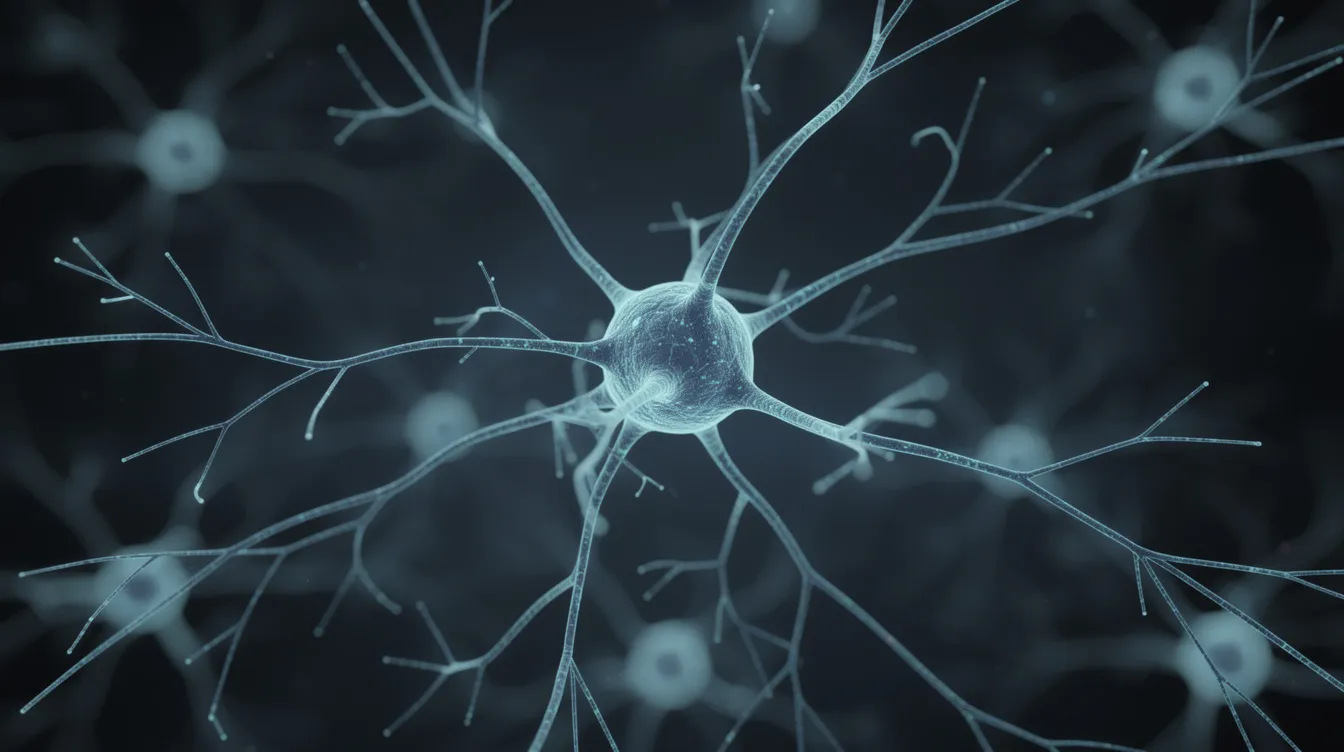
Animal studies show lion's mane promotes neurite outgrowth (the extension of nerve cell processes) and may protect brain cells against amyloid-β-induced toxicity. Lion's mane may help reduce the accumulation of amyloid-beta plaques linked to Alzheimer's disease. In mouse models, oral supplementation increased the number of proliferating cells in the hippocampus and improved performance in spatial memory tasks.
Lion's mane extracts also reduce oxidative stress in brain cells and decrease neuroinflammation by lowering TNF-α, IL-6, and NF-κB activation in preclinical models. This combination of neurotrophic support and neuroprotection forms the rationale for human clinical trials. Human clinical studies on lion's mane are still limited and ongoing, so these mechanisms should be considered supportive but preliminary.
Evidence from Clinical Trials on Memory, Focus, and Dementia
Clinical trials in humans are small but growing. The strongest data come from people with cognitive impairment rather than healthy populations.
Mori et al. (2009): This double blind placebo controlled trial enrolled 30 older adults with mild cognitive impairment in Japan. Participants took 1 g of 96% lion's mane fruiting body powder three times daily (3 g/day total) for 16 weeks. The treatment group showed statistically meaningful improvement on the Revised Hasegawa Dementia Scale compared to the placebo group. After supplementation stopped, cognitive scores declined. Two participants reported stomach discomfort and diarrhea.
EAHE Alzheimer's Trial (2020): Patients affected by early Alzheimer's disease received erinacine A-enriched Hericium erinaceus mycelia (approximately 1,050 mg/day containing 5 mg/g erinacine A) for 49 weeks. A study found 1 gram of lion's mane improved cognitive scores after 49 weeks. The placebo group worsened on the Cognitive Abilities Screening Instrument, while the treatment group improved on the Mini-Mental State Examination and daily living activities scores.
Northumbria University (2023): A randomized trial in 41 healthy young adults aged 18-45 tested 1.8 g/day of lion's mane extract for 28 days. A single dose improved Stroop task reaction time from approximately 737.70 ms to 688.05 ms, a 49 ms improvement in cognitive speed measured about 60 minutes after dosing. Over 28 days, the study found a trend toward reduced subjective stress but no improvement in overall global cognitive composite scores.
La Monica et al. (2026): Adults aged 40-75 with subjective cognitive difficulties took 2 g/day of combined fruiting body and mycelial biomass for 8 weeks. The trial found improvements in visual attention and working memory, along with better subjective sleep quality, morning restedness, and mood compared with placebo. No serious adverse events were reported.
These trials show lion's mane has shown potential in improving memory and focus. Larger, longer, and better-controlled studies are still needed to confirm these cognitive benefits across populations.
Acute and Chronic Effects of Lion's Mane on Mental Performance
The acute and chronic effects of lion's mane on cognitive performance follow different timelines and mechanisms.
Acute effects (single dose, measured within hours): The Northumbria trial measured Stroop task performance approximately 60 minutes after a 1.8 g dose. Reaction times dropped by about 49 ms, indicating faster executive function processing. Memory accuracy scores did not change with a single dose. These rapid effects likely reflect neurotransmitter modulation or cerebral blood flow changes rather than structural brain remodeling.
Chronic effects (weeks to months): Over 16 weeks at 3 g/day, older adults with mild cognitive impairment showed progressive improvement in global cognitive scores. Over 4-8 weeks at lower doses, healthy adults and those with mood disorders showed improved subjective focus, reduced stress, and better sleep quality. These longer-term changes may reflect synaptic remodeling, promoting hippocampal neurogenesis, and gradual shifts in neurotrophin levels.
|
|
Acute (Single Dose) |
Chronic (4-49 Weeks) |
|---|---|---|
|
Onset |
60 minutes |
4+ weeks |
|
Main outcomes |
Faster reaction time, improved task-switching |
Memory scores, daily function, mood |
|
Typical dose |
1.8 g |
1.8-3 g/day |
|
Mechanism (proposed) |
Neurotransmitter modulation |
NGF/BDNF upregulation, neurogenesis |
Focus, Concentration, and Working Memory
Beyond preventing cognitive decline, many people use lion's mane to improve cognitive function during work, study, or creative tasks. The mechanistic basis for this is plausible: enhanced NGF and BDNF expression in the hippocampus and prefrontal cortex supports working memory, sustained attention, and the ability to switch between tasks.
Pilot data from the Northumbria and La Monica trials show improvements in processing speed, visual attention, and task-switching performance. These cognitive effects are modest in magnitude. A 49 ms improvement on the Stroop test, for example, is detectable in a lab setting but not transformative in daily life.
Users who track their experience with lion's mane supplements over several weeks commonly describe:
-
Calmer, steadier focus without the jitteriness of caffeine
-
Fewer racing or scattered thoughts during sustained work
-
More consistent concentration through the afternoon
-
Easier task initiation when mentally fatigued
These reports are anecdotal and not equivalent to randomized trial data. For enhance memory and focus goals, the clinical trial evidence suggests that 1.8-3 g/day for at least 4 weeks is the minimum commitment for evaluating whether lion's mane produces noticeable cognitive performance changes.
Lion's Mane and Mood: Stress, Anxiety, and Depression
Brain health and mood share overlapping biology. The same neurotrophic and anti-inflammatory pathways that support cognitive function also regulate emotional processing in the hippocampus and amygdala.
A 2010 clinical trial in menopausal women found that consuming lion's mane cookies (approximately 2 g/day for 4 weeks) reduced measures of anxiety, irritability, and sleep disturbance compared with placebo. Hericium erinaceus improves mood through mechanisms that appear to involve both neurotrophin signaling and reduced chronic inflammation in mood-regulating brain regions.
The Northumbria pilot study found a trend toward lower subjective stress in healthy adults after 28 days at 1.8 g/day. A separate Milan study using a blend of 80% mycelia and 20% fruiting body extract over 4 weeks in patients with depression, anxiety, or sleep disorders found that supplementation increased serum pro-BDNF levels and reduced symptoms of depression and anxiety.
Animal studies suggest lion's mane may reduce anxiety and depression symptoms. In rodent models, lion's mane extracts reduced depressive behaviors and anxiety-like behavior, possibly by promoting hippocampal neurogenesis and decreasing inflammation in limbic brain structures. These antidepressant like effects have been replicated across multiple animal models.
Lion's mane is not a stand-alone treatment for major depression or clinical anxiety. It could serve as an adjunctive tool for managing everyday stress and supporting mental health conditions alongside professional care.
Potential Role in Preventing Dementia and Neurodegeneration
Alzheimer's disease develops over decades. The pathology involves amyloid plaques, neurofibrillary tangles, oxidative stress, neuroinflammation, and progressive synaptic loss. By the time symptoms appear, substantial neuronal damage has already occurred.
Lion's mane may protect against Alzheimer's-related neuronal damage through multiple pathways. Erinacines and hericenones reduce amyloid-β toxicity in cell models, promote clearance of damaged proteins, and shield neurons from oxidative damage. In the 49-week EAHE trial, patients affected by early Alzheimer's disease showed measurable improvement on the MMSE while the placebo group declined. In the Mori trial, older adults with mild cognitive impairment improved over 16 weeks but lost those gains after stopping supplementation.
"May help prevent dementia" does not mean lion's mane cures or reverses established disease. It means that early trial data suggest lion's mane could delay onset or slow cognitive decline when combined with other evidence-based strategies: regular exercise, Mediterranean-style diet, adequate sleep, and control of blood pressure and blood glucose.
Lion's mane mushroom is known for its potential to support brain function and systemic health, but the health claims around dementia prevention require further research with larger sample sizes and longer follow-up periods. Preliminary evidence places lion's mane as a promising, low-risk component of a broader brain-protective plan.
Neurogenesis and Hippocampal Cell Growth
Neurogenesis is the process of generating new neurons from stem cells. In the adult mammalian brain, this occurs primarily in the hippocampus, the structure responsible for forming new memories and regulating emotion.
Animal studies demonstrate that oral lion's mane increased the number of proliferating cells in the hippocampus and enhanced dendritic branching in the adult mouse brain. Mice given lion's mane extracts for several weeks performed better in maze tasks that test spatial memory, a hippocampus-dependent function. These studies measured central hippocampal neurons and found increased markers of neurogenesis, with research on central hippocampal neurons converging on the conclusion that NGF and BDNF signaling drive this growth.
Think of lion's mane as fertilizer for brain cells. It does not create neurons from nothing; it supports the biological conditions (adequate neurotrophins, reduced inflammation, sufficient growth signals) under which the hippocampus can generate and integrate new cells.

Direct measurement of neurogenesis in living human brains is not currently feasible at scale. The human evidence is indirect: improved memory test scores, increased circulating pro-BDNF levels, and behavioral changes consistent with enhanced hippocampal function. These converging lines of evidence are promising, but confirming that lion's mane increases cell growth in the human hippocampus will require advances in neuroimaging or biomarker technology.
Anti-Inflammatory and Antioxidant Effects
Chronic inflammation and oxidative stress underlie multiple diseases, including Alzheimer's, cardiovascular disease, diabetes, and depression. Lion's mane contains antioxidants that reduce oxidative stress and chronic inflammation through several documented mechanisms.
Lion's mane inhibits NF-κB signaling to reduce inflammation. Lab and animal studies show lion's mane reduces pro-inflammatory cytokines (TNF-α, IL-6) in immune and brain cells. Erinacines suppress IL-1β expression in neuroinflammation models, and polysaccharides from lion's mane reduce pro-inflammatory cytokines in macrophage cultures. Lion's mane extracts also lower nitric oxide production linked to inflammation, a molecule that in excess contributes to tissue damage.
On the antioxidant side, lion's mane mushroom scavenges reactive oxygen species (ROS) that damage DNA, proteins, and cell membranes. H. erinaceus extracts enhance antioxidant enzyme activity like SOD and GPx in animal models of neurodegeneration and metabolic disease. Lion's mane enhances antioxidant enzyme expression, aiding inflammation reduction across multiple tissue types.
These anti-inflammatory and antioxidant actions provide a plausible mechanism for protecting neurons, blood vessels, and gut tissue. The gap in the evidence: human trials directly measuring inflammatory and oxidative biomarkers after lion's mane supplementation remain scarce. Most data come from cell culture and rodent models, making this a well-supported but still preclinical story for fighting inflammation.
Immune System Support and Gut-Brain Connection
A large portion of the immune system resides in the gut. Lion's mane mushroom improves immune function by enhancing gut health through multiple pathways.
Lion's mane polysaccharides act as prebiotics. Lion's mane promotes the growth of beneficial gut bacteria, including Lactobacillus and Bifidobacterium species, while reducing populations of pathogenic bacteria. Lion's mane reduces inflammatory markers and oxidative stress in the gut, supporting intestinal barrier integrity.
In mouse studies, polysaccharides in lion's mane enhance immune response against infections. One striking finding: a study found lion's mane nearly quadrupled mouse lifespan against salmonella infection, suggesting a measurable protective effect on innate immunity. Lion's mane helps balance the immune response during inflammation, activating defensive immune cells when needed while dampening excessive inflammatory reactions.
Changes in gut microbiota and reduced intestinal inflammation can influence mood and cognitive function through the gut-brain axis. Bacterial metabolites like short-chain fatty acids travel via the vagus nerve and bloodstream to affect brain inflammation and neurotransmitter production. This indirect pathway may partially explain why lion's mane users report improved mental clarity alongside better digestion.
Human data on lion's mane's direct effects on the immune system and microbiome are still sparse. Most of these findings come from animal and cell models.
Cardiometabolic and Heart Health Benefits
Most lion's mane research focuses on the brain, but animal and in vitro data suggest potential cardiovascular and metabolic benefits worth noting.
Lion's mane mushrooms may lower triglyceride levels. In rodent studies, lion's mane extracts improved lipid profiles and studies show lion's mane improves fat metabolism in animals fed high-fat diets. Lion's mane mushrooms may improve lipid metabolism through mechanisms that include enhanced hepatic fat oxidation.
Hericenone B may decrease platelet aggregation in lab studies. Lion's mane extract can decrease blood clotting rates, which theoretically reduces cardiovascular event risk but also raises concern for people using anticoagulant medications. Lion's mane mushrooms help maintain healthy blood vessels in animal models through antioxidant protection of endothelial cells.
Preliminary research shows lion's mane may aid in regulating blood sugar levels. In animal models of diabetes, mushroom extract inhibited carbohydrate-digesting enzymes, reducing post-meal blood glucose spikes.
No robust human clinical trial has confirmed these cardiometabolic effects. They remain interesting but preliminary areas for more research.
Digestive Health and Protection Against Ulcers
Hericium erinaceus has a long history of use for stomach and digestive complaints in traditional medicine across East Asia. Modern lab data support several of those traditional applications.
Lion's mane has shown activity against Helicobacter pylori in vitro. It helps prevent the growth of H. pylori bacteria, the organism responsible for most gastric ulcers and a risk factor for stomach cancer. Lion's mane extract improved mucosal healing in gastritis patients in preliminary clinical observation, and animal studies show it protects the gastric mucosa from damage by alcohol and NSAIDs.
Lion's mane may reduce symptoms of ulcerative colitis. One small human study using a multi-mushroom supplement that included lion's mane reported reduced inflammatory bowel disease symptoms, though attributing the effect to lion's mane alone is difficult when the formulation contained multiple species.
The proposed mechanisms include anti-inflammatory effects on gut mucosa, enhanced mucus production, and modulation of immune responses within the intestinal wall. It supports gut integrity and reduces inflammation through downregulation of the same NF-κB pathway active in brain tissue.
Lion's mane works best as part of a broader gut health strategy: balanced diet, limited NSAID overuse, stress management, and adequate fiber intake. It should not replace medical treatment for diagnosed stomach ulcers or IBD.
Immune, Antimicrobial, and Anti-Cancer Potential
Lion's mane's β-glucans and terpenoids show immune-modulating and antimicrobial actions in preclinical research that extend beyond the gut.
Antimicrobial activity: Lion's mane shows antimicrobial activity against Staphylococcus aureus, a common cause of skin and systemic infections. H. erinaceus inhibits biofilm formation in bacteria, which is relevant because biofilms make infections resistant to antibiotics. Lion's mane extracts exhibit antifungal properties against Candida albicans, a frequent cause of mucosal and systemic fungal infections.
Anti-cancer findings: In cell culture, lion's mane extract caused cancer cells to die faster in lab tests through induction of apoptosis (programmed cell death). Lion's mane has shown anti-cancer effects against liver and colon cancer cells. In mouse models, lion's mane extract may slow cancer spread, and animal studies suggest lion's mane may be more effective than traditional cancer medications in certain tumor types, with lion's mane extract having fewer side effects than traditional cancer treatments in mice.
These findings are promising but preliminary. No human oncology trial has tested lion's mane as a cancer therapy. Lion's mane should not be viewed as a replacement for medical treatment despite its potential benefits. Standard oncological care remains essential, and anyone considering lion's mane alongside cancer treatment should discuss it with their oncologist.
Effects of Lion's Mane in Healthy Young Adults
Most people researching lion's mane mushroom benefits are not dealing with dementia or Alzheimer's disease. They are otherwise healthy and curious about cognitive enhancement and stress resilience.
The 2023 Northumbria trial is the most relevant study for this group. In 41 healthy adults aged 18-45, 1.8 g/day of lion's mane for 28 days produced:
-
Faster Stroop task reaction time (acute effect, ~49 ms improvement)
-
A trend toward reduced subjective stress (chronic effect, not statistically robust)
-
No change in global cognitive composite scores
The La Monica 2026 trial in adults aged 40-75 with subjective cognitive difficulties (not diagnosed conditions) found improvements in visual attention and working memory at 2 g/day over 8 weeks.
For healthy young adults, lion's mane looks safe and may modestly enhance cognitive speed and stress handling. It should be approached as a supportive tool rather than a "smart drug." Expect subtle shifts in focus and mental clarity over weeks, not an overnight transformation. Sample sizes in these trials remain small (n = 41 and n = 49, respectively), and product variability between studies complicates direct comparisons.
Forms of Lion's Mane: Mushrooms, Powders, and Extracts
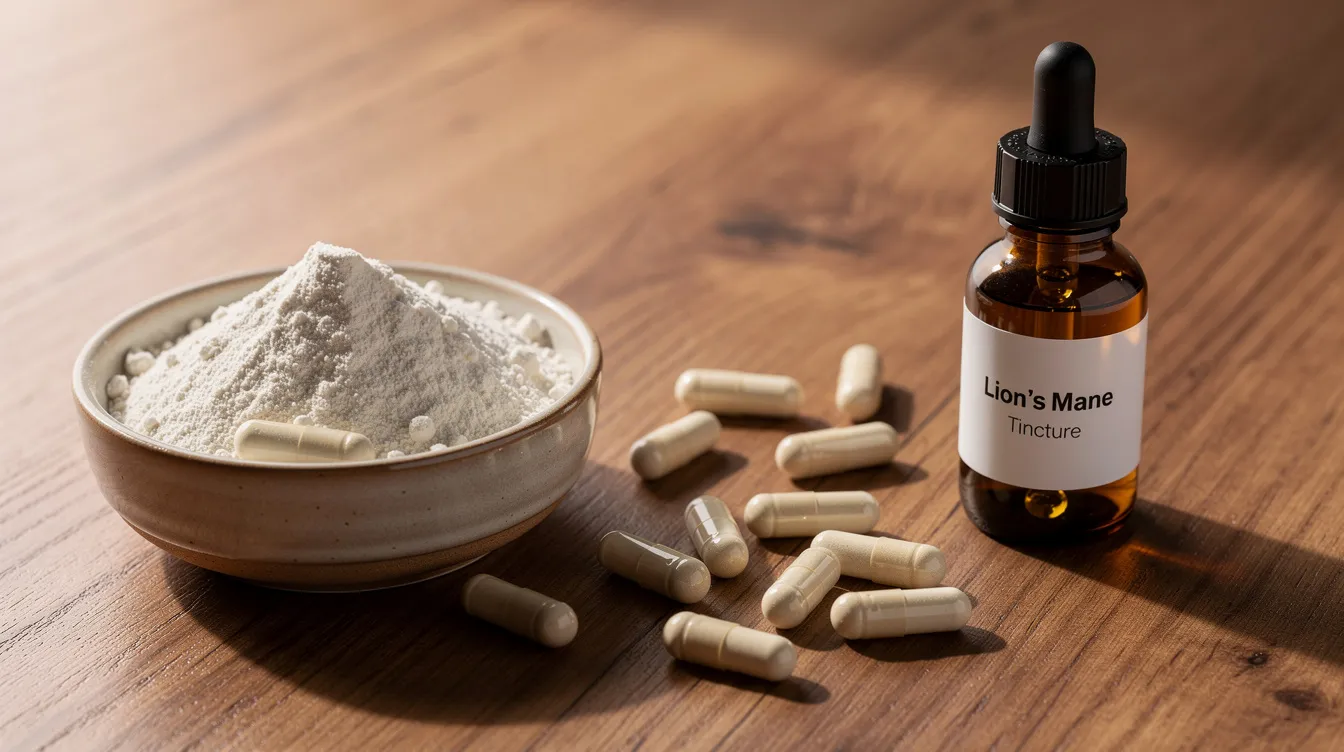
Lion's mane can be consumed in various forms including fresh mushrooms and supplements such as powders and capsules. Here is what each form offers:
-
Fresh whole mushrooms: Sautéed like seafood, lion's mane has a crab-cake texture. Cooking preserves most β-glucans but may alter some temperature-sensitive terpenoids.
-
Dried slices and mushroom powder: A whole-food approach that retains fiber and a broad compound profile. Convenient for adding to soups, smoothies, or coffee.
-
Hot-water extracts: Concentrate polysaccharides effectively. Common in traditional preparation methods.
-
Alcohol tinctures (dual extraction): Capture both water-soluble β-glucans and alcohol-soluble terpenoids (hericenones, erinacines).
-
Standardized capsules: Offer controlled dosing. The best products specify active compound content.
Fruiting body products tend to be richer in hericenones, while mycelium-based products may contain higher erinacine levels. Some lion's mane supplements combine both. Extraction methods matter because they determine which bioactive compounds end up in the final product.
Typical Dosage Ranges and How to Take Lion's Mane
There is no universally agreed standard dose for lion's mane. Clinical trial doses provide reasonable guidance:
|
Trial |
Daily Dose |
Duration |
Population |
|---|---|---|---|
|
Mori 2009 (MCI) |
3 g/day fruiting body powder |
16 weeks |
Older adults |
|
EAHE (Alzheimer's) |
~1.05 g/day enriched mycelia |
49 weeks |
Early AD patients |
|
Northumbria 2023 |
1.8 g/day fruiting body |
28 days |
Healthy young adults |
|
La Monica 2026 |
2 g/day combined biomass |
8 weeks |
Ages 40-75, subjective cognitive concerns |
Practical approach: start at 500-1,000 mg/day and increase to 1.8-3 g/day over a week while monitoring digestion, sleep, and focus. Take with breakfast for cognitive support through the day, or split doses between morning and early afternoon. Liquid lion's mane extract can be mixed into coffee, tea, or smoothies.
Consistency over several weeks matters. The Mori trial showed progressive improvement from weeks 8 through 16, and the La Monica trial detected effects at 8 weeks. Single-dose acute effects on processing speed can occur within an hour, but sustained benefits of lion's mane require regular use.
Safety, Side Effects, and Who Should Avoid Lion's Mane
Lion's mane is well tolerated in human trials. Across the studies reviewed, side effects were mild and infrequent:
-
Transient digestive discomfort (stomach upset, loose stools): reported in 2 of 30 participants in the Mori trial
-
Skin itching or rash in individuals with mushroom sensitivity
-
No serious adverse events in the La Monica 2026 trial at 2 g/day for 8 weeks
People with known mushroom allergies should avoid lion's mane. Allergic reactions can include respiratory symptoms, rashes, or gastrointestinal distress.
Theoretical drug interactions exist. Lion's mane's possible anti-platelet effects mean caution with blood thinners like warfarin or aspirin. Its potential blood sugar-lowering activity warrants monitoring in people on diabetes medications. No confirmed dangerous interactions have been documented in human trials, but the studies were not designed to detect rare interactions.
Pregnant or breastfeeding individuals, those on immunosuppressants or chemotherapy, and people taking multiple medications should consult their healthcare provider before starting. Robust safety data in these groups are lacking. Lion's mane should not be viewed as a replacement for medical treatment despite its potential benefits in the areas discussed above.
Quality, Sourcing, and Sustainability
Mushroom supplement quality varies widely. A 2017 analysis found that some products labeled as "lion's mane" contained primarily grain starch from the mycelium growth substrate, with minimal active compounds.
Choose lion's mane from brands that provide:
-
Third-party lab testing for identity, potency, and contaminants (heavy metals, pesticides, microbes)
-
Clear labeling of species (Hericium erinaceus), plant part (fruiting body, mycelium, or both), and extraction methods
-
Standardized levels of β-glucans or, ideally, hericenones/erinacines
In some regions, wild Hericium species are legally protected. Sustainable cultivation on hardwood substrates is the preferred source. Certifications that add confidence include organic certification, GMP manufacturing, and non-GMO verification.
How Lion's Mane Compares to Other Nootropic and Medicinal Mushrooms
Lion's mane belongs to a broader group of medicinal mushrooms used for different wellness goals. Here is how they differ:
|
Mushroom |
Primary Strength |
Key Compounds |
|---|---|---|
|
Lion's mane |
Cognitive function, memory, mood, hippocampal cell growth |
Hericenones, erinacines |
|
Reishi |
Stress, sleep, immune modulation |
Triterpenoids, β-glucans |
|
Cordyceps |
Energy, exercise performance, oxygen utilization |
Cordycepin, adenosine |
|
Chaga |
Antioxidant, anti-inflammatory |
Betulinic acid, melanin |
Combining lion's mane with other medicinal mushrooms may provide complementary benefits, but it also complicates attribution of specific effects. Most published data come from single-species studies. Claims for multi-mushroom blends should be treated cautiously until dedicated trials are conducted.
When the primary goal is brain health, focus, memory, and potential dementia prevention, lion's mane is the species with the most relevant human data.
Using Lion's Mane in a Brain-Healthy Lifestyle
Lion's mane acts as a functional food, but it works best as part of a comprehensive approach to brain health rather than a standalone fix.
Complementary strategies with established evidence for cognitive protection:
-
Exercise: 150 minutes/week of moderate aerobic activity increases hippocampal volume and BDNF levels
-
Sleep: 7-9 hours of quality sleep per night supports memory consolidation and glymphatic clearance of brain waste
-
Diet: Mediterranean-style eating rich in omega-3s, polyphenols, and fiber reduces neuroinflammation
-
Cognitive engagement: Learning new skills, social interaction, and varied mental challenges promote synaptic density
-
Vascular risk control: Managing blood pressure, blood sugar, and cholesterol reduces dementia risk independently
Reducing vascular risk factors amplifies any neuroprotective effects of lion's mane against cognitive decline. A supplement cannot compensate for untreated hypertension or poor sleep.
When starting lion's mane, track subjective changes in focus, memory, stress, and sleep over 4-8 weeks. Use a simple daily log or rating scale. If you notice no changes after 8-12 weeks at an adequate dose, the supplement may not be adding value for you.
Lion's mane mushroom benefits are real but bounded. Early clinical trials show measurable improvements in memory, processing speed, mood, and sleep quality across several populations. Animal data on neurogenesis, peripheral nerve regeneration, and neuroprotection provide a plausible biological foundation. The research is moving in a productive direction, with trials growing in size and sophistication. Use lion's mane thoughtfully, as part of a broader brain-healthy lifestyle, and in consultation with a healthcare professional when other medications or conditions are involved.