
Is Reishi Mushroom the Best Mushroom for Allergies?
If you've spent any time in the natural health community, you've probably heard people agree that reishi mushrooms may help reduce allergy symptoms. But is reishi mushrooms the best mushroom for allergies, or is that claim too good to be true? This page breaks down the science, compares reishi with other options, and gives you practical guidance so you can decide for yourself.
Quick Answer: Is Reishi Really the "Best" Mushroom for Allergies?
Reishi is often considered the best mushroom for allergy relief, and there's a reason for that reputation. Its bioactive compounds-beta-glucans and triterpenes-don't simply "boost" immune function. Instead, they help balance the overactive immune responses that cause sneezing, congestion, and itchy eyes. In a short sentence: reishi mushrooms can enhance immune function by recalibrating it, not just ramping it up. Reishi has the strongest theoretical basis for allergy relief among medicinal mushrooms.
That said, most of the research on reishi's allergy effects comes from laboratory studies, and high-quality human clinical trials confirming reishi for allergy relief are limited. A randomized, double-blind trial of beta-glucan from Ganoderma lucidum in healthy adults over 84 days found enhanced immune cell populations and improved T-cell ratios, but it didn't measure allergic symptom relief directly. Current evidence is insufficient to conclude that reishi works reliably for seasonal allergies.
How does reishi compare? Cordyceps supports airway function, turkey tail aids gut-immune balance, and chaga acts as a potent antioxidant-each relevant to different allergy profiles. Whether reishi is "the best" depends on the person, symptoms, and situation. Mushrooms can vary significantly in their health benefits. This article is informational, not medical advice. If you have asthma, anaphylaxis history, or take prescription medications, consult a healthcare professional before starting reishi. Note that scientific writing about reishi typically uses the present tense form and third person singular when reporting results (for example, "Ganoderma lucidum reduces IgE in mice"), and we follow that convention here for clarity.
What Is Reishi Mushroom? (Ganoderma lucidum Basics)
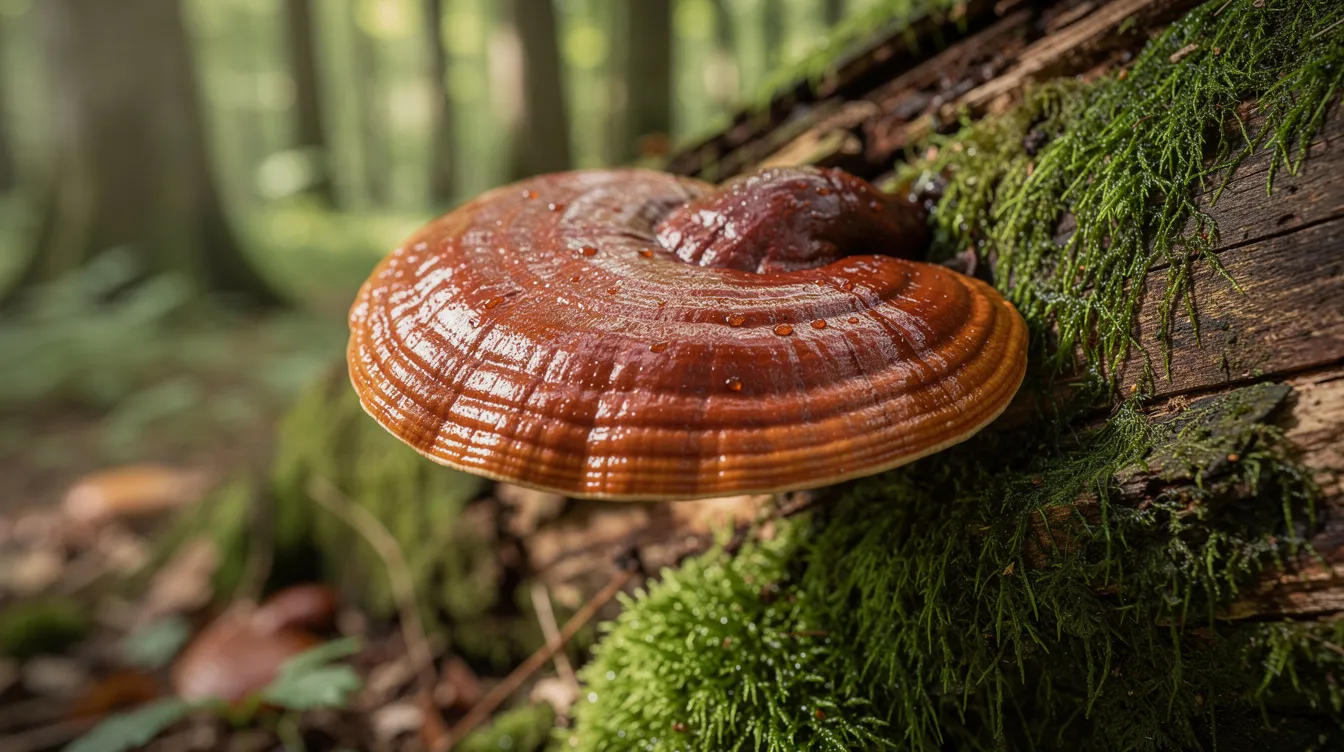
Reishi is a woody, shelf-like polypore fungus with a reddish-brown cap and a varnished, almost lacquered surface. It grows on dead or decaying hardwoods across Asia, Europe, and North America. The word "reishi" comes from Japanese, while the Chinese refer to it as "lingzhi." Unlike many english herbal terms, the noun "reishi" has no roots in middle english or old english-it is purely East Asian in origin. Some linguists note it is akin to a dialect variant found in classical Japanese writing, with no cognate in german or dutch. The vowel sounds in "reishi" simply don't appear in Old Germanic speech, which is a strange but interesting point.
Historically, reishi refers to a tonic for vitality, sleep, and resilience-what Traditional Chinese Medicine calls supporting "Qi." Texts from the Eastern herbal pharmacopeias describe it as a whole-body support, not a narrow allergy remedy.
Reishi contains bioactive compounds known as triterpenes which have demonstrated anti-histamine properties. Its key actives include:
-
Polysaccharides (beta-glucans) - immune-modulating, gut-supportive
-
Triterpenes (ganoderic acids A, B, C, D) - anti-inflammatory, inhibit histamine release
-
Phenolic compounds - antioxidant activity
Reishi is generally available as tea, tinctures, capsules, or powders. Modern research since the 1980s primarily uses standardized extracts (water, alcohol, or dual extraction), not raw dried mushroom. The extraction method profoundly affects potency-meaning that two products labeled "reishi" may deliver very different results.
How Allergies Work: Histamine, IgE, and the Immune System
By definition, an allergy is an exaggerated immune response to a harmless substance-pollen, dust mites, pet dander, or certain foods. The process works like a too-sensitive smoke alarm that blares at burnt toast instead of an actual fire.
Here's what happened during allergic sensitization, and what happens at each re-exposure:
-
An allergen enters the body.
-
The immune system produces IgE antibodies specific to that allergen.
-
IgE binds to mast cells and basophils (sensitization).
-
On re-exposure, the allergen cross-links IgE, triggering mast cell degranulation.
-
Histamine, leukotrienes, and inflammatory cytokines flood the tissue, causing symptoms.
The plural types of allergy people commonly face include allergic rhinitis (hay fever), allergic asthma, atopic dermatitis or eczema, and food allergies. It matters to state the difference between acute anaphylaxis-which requires epinephrine and emergency care-and chronic, mild-to-moderate symptoms where lifestyle and herbal support may play a complementary role.
Conventional treatments target the endpoint: antihistamines block histamine receptors, steroids suppress inflammation. Reishi acts earlier in the cascade. Rather than silencing the alarm once it's blaring, reishi aims to recalibrate the alarm's sensitivity altogether. That relationship between upstream immune balance and downstream symptom relief is the subject of the following sections.
What Does Reishi Do to the Immune System? (Mechanisms Relevant to Allergies)
Reishi mushrooms have anti-inflammatory properties that go beyond simple immune stimulation. The key thing to understand is that reishi modulates-not just boosts-immune function.
Reishi helps balance Th1 and Th2 immune responses. In people with allergies, Th2 cells are overactive, driving excess IgE production. Reishi polysaccharides and triterpenes shift this balance back toward Th1 and regulatory T cell (Treg) activity, which calms the overreaction. Similarly, reishi influences Tregs that produce anti-inflammatory cytokines like IL-10.
Reishi may prevent mast cells from releasing histamine. A 1985 Japanese study identified ganoderic acids A through D as the specific triterpenes responsible for suppressing histamine release from rat mast cells. Reishi has been shown to stabilize mast cells, potentially reducing allergy symptoms at their source.
In animal models from the 2000s and 2010s, reishi extracts lowered Th2 cytokines (IL-4, IL-5, IL-13) in bronchoalveolar lavage fluid. A Jul 2024 study found that the GLEF100 fraction of Ganoderma lucidum significantly reduced IgE levels and inhibited NF-κB and MAPK signaling pathways in ovalbumin-induced asthma mice. These results show reishi acting on multiple inflammatory pathways simultaneously.
Reishi may lower energy and respiratory health by acting as an immunomodulator-meaning it doesn't just suppress or stimulate, but adjusts the immune verb of action depending on the body's state. Beta-glucans activate pattern-recognition receptors like dectin-1 and TLRs, which "teach" innate immunity to respond more intelligently. Reishi also decreases oxidative stress in the lungs and nasal passages, which may indirectly reduce sensitivity to airborne triggers-an adjective you might apply to any antioxidant, but reishi's combination of mechanisms stood out in past research.

Evidence for Reishi in Seasonal and Environmental Allergies
When it comes to hay fever, dust, and pet dander allergies, reishi mushrooms may reduce allergy symptoms-but the evidence remains preliminary. Reishi is not considered an established treatment for allergic rhinitis.
A Chinese clinical trial registered in 2012 (ChiCTR-TRC-12001960) evaluated Ganoderma lucidum extract and spores in patients with persistent allergic rhinitis. However, the results were never widely published in peer-reviewed international journals, which makes it difficult for any user of this data to draw firm conclusions.
Animal and in vitro evidence is more robust. A 1986 study using water extracts of reishi showed that the extract inhibited antigen-induced histamine release and passive cutaneous anaphylaxis in guinea pigs and rats-showing results consistent with mast cell stabilization. In mouse models, allergen-challenged animals displayed reduced eosinophils in nasal tissue, lower IgE, and improved mucus quality after reishi administration.
Systematic reviews of Chinese herbal medicine formulas that include reishi as a component have found lower nasal congestion scores and reduced blood IgE in treated groups. But because these formulas contain many herbs, isolating reishi's specific contribution is a sort of scientific puzzle that hasn't been fully solved.
The bottom line: reishi is biologically plausible for seasonal allergies, but don't forget that large, well-designed human trials focused specifically on "reishi alone for allergies" are still lacking.
Reishi for Asthma and Respiratory Support
Many people with asthma have allergic triggers-pollen, dust mites, animal dander. This is the situation where reishi's respiratory and anti-inflammatory effects become especially relevant.
In 2008, researchers tested a polysaccharide fraction (PS-F2) from Ganoderma formosanum in ovalbumin-sensitized mice and found reduced airway hyperresponsiveness, fewer eosinophils, and lower IgE and Th2 cytokines. More recent work in 2024 confirmed these findings using different extract fractions, with the GLEF100 variant proving most effective at blocking inflammatory signaling.
Some studies have even explored steroid-resistant neutrophilic asthma, finding that isolated terpenoids like ganoderic acid C1 suppress both eosinophilic and neutrophilic airway inflammation. This suggests reishi's effects extend beyond classic Th2-driven asthma-a point that supports its broader respiratory relevance.
However, human data remain thin. Reishi is not a replacement for rescue inhalers, steroids, or emergency treatment in acute asthma attacks. People with well-controlled, mild asthma may discuss reishi with their doctor as a long-term complementary support. Those with severe or brittle asthma should be much more cautious.
Comparing Reishi with Other Functional Mushrooms for Allergies
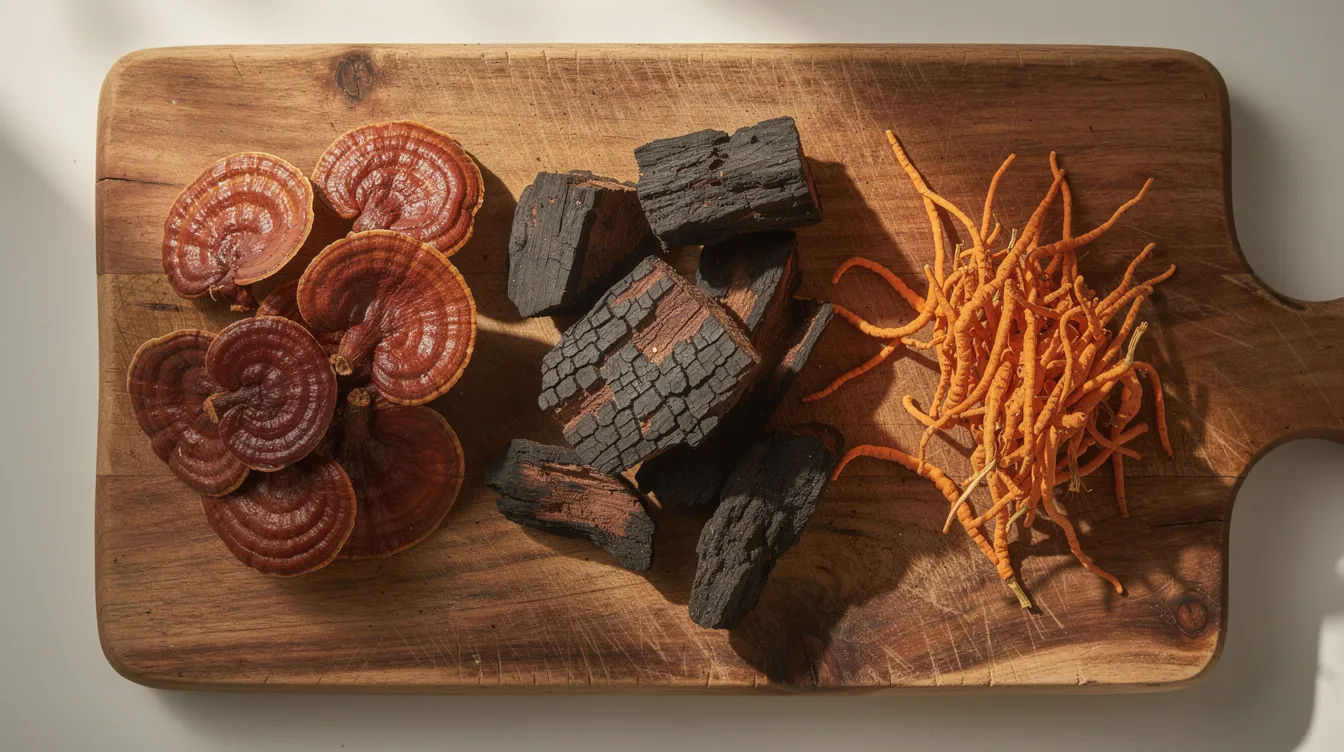
Is reishi really the best, or do other mushrooms deserve attention? Here's how the main contenders compare:
-
Reishi: Strongest evidence for immune modulation, histamine inhibition, and IgE reduction; most studied for allergy and asthma models
-
Cordyceps: Supports lung function and exercise tolerance; may help with airway inflammation and chronic cough
-
Turkey Tail: Rich in polysaccharopeptides; supports gut microbiome and immune balance, which can indirectly benefit skin and food allergies
-
Chaga: Potent antioxidant; may reduce oxidative stress linked to inflammation, but limited direct allergy studies
Other medicinal mushrooms like Chaga and Maitake also provide immune support, and other mushrooms like lion's mane also support immune health-though their mechanisms differ from reishi's allergy-specific pathways.
Consider two fictional but realistic examples. Mary, a 34-year-old woman with spring hay fever, ate well and exercised but still needed daily antihistamines. After beginning a triterpene-rich reishi extract in early March, she reported reduced nasal congestion by late April. A man named James, 42, with exercise-induced asthma, found that combining reishi with cordyceps gave him better breathing during long runs on the isle of trails near his home-something reishi alone hadn't fully addressed.
The phrase "best mushroom" isn't a simple adjective you can attach to one species. It depends on your symptom pattern, co-existing conditions, and individual response. A personalized approach-and sometimes combination formulas-makes more sense than crowning a single winner.
How to Use Reishi Safely for Allergy Support (Forms, Doses, Timing)
Reishi supplements come in several forms, and many people prefer one over another:
-
Fruiting body extract (capsules, powders) - most common in clinical research
-
Dual extracts (water + alcohol) - capture both beta-glucans and triterpenes
-
Tinctures - convenient, fast-absorbing
-
Tea and decoctions - traditional but milder; some people prefer the ritual of reishi tea
Dose ranges in human studies vary from 200 mg to over 5 g per day of dried equivalent, with most immune modulation benefits appearing at 200–1,000 mg daily of standardized extract. Exact dosing depends on product potency and your healthcare provider's guidance.
Reishi works slowly. Immune modulation is not something that will click overnight-it typically requires 8–12 weeks of consistent daily use. Starting at the beginning of late winter, well before peak pollen season, gives your immune system time to recalibrate.
When selecting a product, edit your criteria to prioritize:
-
Fruiting body over mycelium-on-grain
-
Third-party testing for heavy metals, pesticides, and microbial contamination
-
Standardization to beta-glucan and triterpene content
-
No unnecessary fillers or artificial colors
Take reishi with food to reduce digestive discomfort. Splitting doses between morning and evening may improve tolerance. Reassess every 8–12 weeks to determine whether the supplement supports your goals.
Who Should Avoid or Be Cautious with Reishi?
Not every person should take reishi. The following groups need extra care:
-
People on blood thinners or blood pressure medications: Reishi might interact with blood thinners and blood pressure medications due to mild anticoagulant effects.
-
Those on immunosuppressants: Reishi's immune-modulating action could interfere with drugs used after organ transplants or for autoimmune conditions.
-
Pregnant or breastfeeding individuals: Insufficient safety data exist for this kind of use.
-
Children with severe asthma or food allergies: Pediatric dosing is not established; a specialist must be involved.
-
Anyone with a known mushroom allergy: Cross-reactivity is possible, and this risk should not be deleted from your decision-making.
Common side effects of reishi include dry mouth and dizziness. Prolonged use of powdered reishi may be associated with liver toxicity, particularly with poorly regulated products. Quality matters: look for reputable brands with third-party testing, and never treat reishi as a substitute for your epinephrine auto-injector.
Frequently Asked Questions About Reishi and Allergies
How long does reishi take to help with seasonal allergies? Immune modulation typically requires 8–12 weeks of consistent use. Starting before allergen season gives the best chance of noticing a difference.
Can reishi replace my antihistamine or inhaler? No. Reishi mushrooms may help reduce allergy symptoms over time, but they are not fast-acting. Never replace prescribed rescue treatments.
Is reishi safe to take every day during allergy season? In most human trials, daily use for several weeks was well tolerated. Monitor for side effects and reassess periodically.
Can I use reishi for my child's allergies? Very limited pediatric data exist. Use only under a specialist's supervision.
Does reishi help with food allergies or eczema? Mechanistically plausible-reishi modulates IgE and mast cell function, which is a relative clause that connects it to skin and gut allergies-but human trials are sparse.
Is there any difference between reishi and lingzhi? The word "lingzhi" is the Chinese name for essentially the same genus. Species mislabeling is common; what matters is the extract's bioactive profile, not the label.
Can someone with a mild mushroom sensitivity still take reishi? Proceed with caution. Start with a very low dose and watch for any reaction. If you have a confirmed mushroom allergy, it's generally safer to avoid reishi.
In scientific writing, researchers consistently use a third person verb in the present tense-as in "Ganoderma lucidum reduces inflammation"-when reporting results, a convention that appears throughout the studies cited on this page.
Conclusion: Is Reishi the Best Mushroom for Your Allergies?
Reishi has earned its reputation. Among medicinal mushrooms, it has the most extensive preclinical evidence for reducing IgE, stabilizing mast cells, dampening Th2 overactivity, and lowering airway inflammation. In a sense, it is the leading contender for allergy support-and most people in the natural health community would agree.
But "best" is personal. The true question isn't whether reishi holds some abstract, universal title. It's whether reishi, used wisely and safely, makes a meaningful difference for your specific allergy burden. That depends on your symptom profile (nasal, skin, gut, lungs), your medications, and your tolerance.
View reishi as one powerful tool within a broader allergy management plan that includes conventional care, environment control, nutrition, sleep, and stress management. Evidence is promising but not definitive. Quality, dose, and consistency matter far more than brand hype. Careful experimentation-guided by a healthcare professional-remains the most reliable path to finding what truly works for you.