
How to Support Healthy Cholesterol Naturally
Introduction: Start Supporting Your Cholesterol Naturally Today
Nearly 40% of adults in the U.S. have high cholesterol, and most of them have no idea because the condition rarely produces symptoms until serious damage is underway. Whether you're looking to lower cholesterol before medication becomes necessary or want to complement an existing treatment plan, the good news is that dietary changes and lifestyle adjustments are essential for managing cholesterol naturally.
This guide shows you exactly how to support healthy cholesterol naturally through heart healthy foods, movement, weight management, sleep, stress reduction, and evidence-based supplements, including a closer look at mushrooms. Maintaining healthy cholesterol levels involves dietary changes, physical activity, and lifestyle adjustments working together to reduce plaque buildup in your arteries, protect blood vessel health, and lower your risk of heart disease, heart attacks, stroke, and high blood pressure.
This article is not a substitute for medical advice. If you take cholesterol medications or live with cardiovascular disease, diabetes, or kidney disease, talk to your doctor before changing your treatment or starting supplements.
Understanding Cholesterol: What "Healthy" Really Means
Cholesterol is a waxy, fat like substance made by your liver and also found in animal foods like eggs, meat, and whole milk dairy products. Your body needs it for hormones and cell membranes, but too much creates problems.
Low density lipoprotein, or ldl cholesterol, is the "bad" kind. It carries cholesterol into your artery walls, where it builds up as plaque over years. High density lipoprotein hdl cholesterol is the "good" kind. It carries cholesterol back to the liver for removal. Triglycerides are blood fats that, when elevated alongside bad ldl cholesterol, amplify your risk of heart attacks and stroke.
Here are the ranges many clinicians use for adults, according to the 2026 AHA/ACC Guideline on Dyslipidemia:
|
Marker |
Desirable |
Borderline |
High Risk |
|---|---|---|---|
|
Total cholesterol |
Below 200 mg/dL |
200–239 mg/dL |
240+ mg/dL |
|
LDL cholesterol |
Below 100 mg/dL |
130–159 mg/dL |
160+ mg/dL |
|
HDL cholesterol |
Above 60 mg/dL |
40–59 mg/dL |
Below 40 mg/dL |
|
Triglycerides |
Below 150 mg/dL |
150–199 mg/dL |
200+ mg/dL |
Individual targets vary based on risk factors like age, diabetes, and family history. Cholesterol levels are checked with a simple blood test, fasting or non-fasting. Most adults should check cholesterol every 4 to 6 years, though people with elevated risk may need annual testing.
High cholesterol usually has no symptoms. By the time chest pain or shortness of breath appears, plaque has often been accumulating in blood vessels for years or decades.
Dietary Strategies: Heart-Healthy Foods That Support Cholesterol Naturally
Diet is one of the most powerful ways to improve cholesterol and cardiovascular health, often producing measurable changes within 6–12 weeks of consistent effort. Key strategies include reducing saturated fats, increasing soluble fiber, and incorporating healthy fats.
Cut saturated and trans fats. Limit saturated and trans fats to improve cholesterol levels. Swap butter and solid fats for olive oil. Replace fatty red meat and processed meats with skinless poultry or oily fish. Skip baked goods made with partially hydrogenated vegetable oil, which is a primary source of trans fats. Choose low fat versions instead of full fat dairy products when possible. These swaps directly lower bad cholesterol by reducing the raw material your liver uses to make low density lipoprotein ldl.
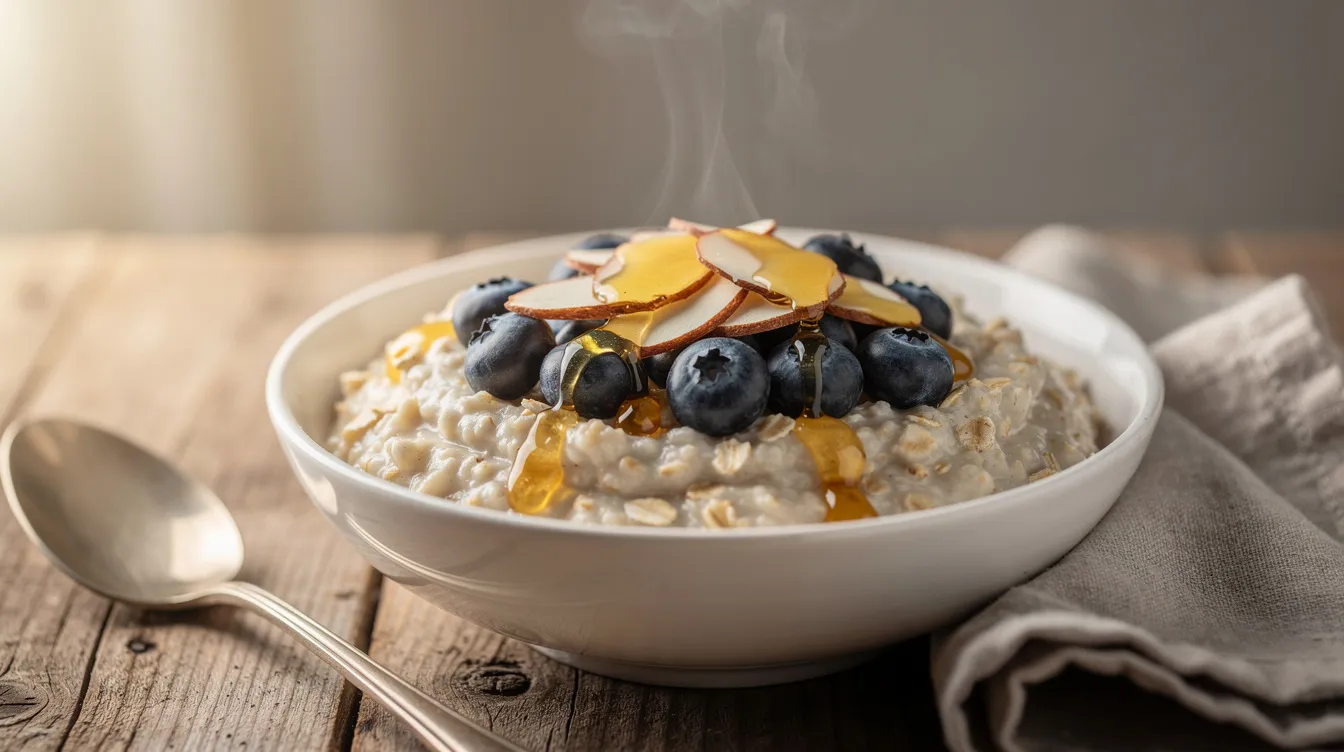
Load up on soluble fiber. Eating soluble fiber can lower bad LDL cholesterol levels. Aim for 5–10 grams per day from sources like oats, barley, kidney beans, lentils, chickpeas, apples, and ground flaxseed. Research shows that about 3 grams per day of oat beta-glucan alone can reduce LDL by roughly 10 mg/dL over several weeks. A bowl of steel-cut oats or oat bran at breakfast is one of the simplest ways to get more soluble fiber.
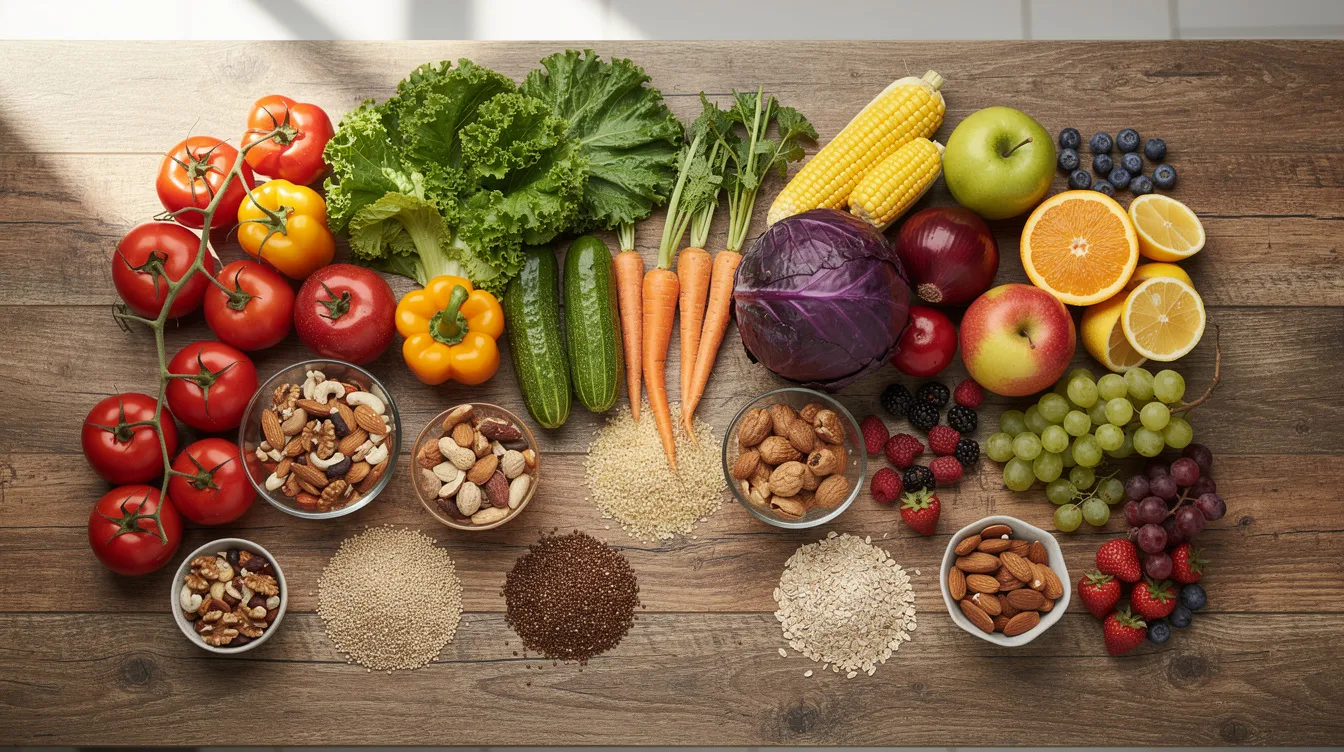
Choose whole grains. Brown rice, quinoa, 100% whole-wheat bread, and oatmeal all support cholesterol levels and weight management compared to refined grains. Diets rich in fruits, vegetables, whole grains, legumes, nuts, and seeds are associated with healthy cholesterol levels across large population studies. A diet rich in fruits and vegetables supports heart health broadly.
Add unsaturated fat and omega-3s. Unsaturated fat from olive oil, avocados, nuts, and seeds helps raise good hdl cholesterol. Fish contains omega 3 fatty acids that boost good HDL cholesterol, so include salmon, sardines, or trout at least twice per week. These healthier fats replace saturated fat without raising LDL.
Consider plant sterols and stanols. Plant sterols and stanols block cholesterol absorption and can be found in fortified foods like certain margarines and yogurts. Studies show that 1.5–3 grams per day can reduce LDL by roughly 6–12%. Nuts, seeds, legumes, and vegetable oils also contain smaller natural amounts.
Mind dietary cholesterol and sodium. Aim for less than 200 milligrams of cholesterol daily by limiting organ meats and egg yolks, though saturated fat is usually the bigger driver of high cholesterol for most people. Reducing sodium by reading labels and cooking at home supports blood pressure and overall cardiovascular disease prevention. A low cholesterol diet combined with lower sodium is a strong foundation for a heart healthy eating pattern.
Lifestyle Changes: Movement, Weight, Smoking, and Alcohol
Lifestyle changes work hand-in-hand with a healthy eating plan. Sometimes these therapeutic lifestyle changes reduce the need for higher medication doses.
Get moving. Aim for at least 150 minutes of moderate exercise weekly, like brisk walking, cycling, or swimming, plus two days of strength training. Exercise for at least 30 minutes five days a week. Regular exercise raises high-density lipoprotein (HDL) cholesterol levels and helps lower ldl and triglyceride levels. Vigorous aerobic activity should last at least 25 minutes three times a week for even greater benefits. Short bursts of activity can positively affect cholesterol levels too. Try walking meetings, taking the stairs, or doing 10-minute walks after meals.

Manage your weight. Losing weight can lower bad LDL cholesterol levels significantly. Even a small amount of weight loss, around 5–10% of your starting weight, can improve cholesterol levels, reduce high blood pressure, and improve triglycerides. Regular weight management can reduce heart disease risk over time. Practical steps include eating mindfully, balancing your plate (half vegetables, a quarter lean protein, a quarter whole grains), avoiding sugary drinks, and cutting late-night snacking. Reaching and maintaining a healthy weight doesn't require extreme diets; consistency matters more than perfection. Eat healthier by focusing on nutrient-dense foods that help you lose weight gradually.
Quit smoking. Smoking damages blood vessels, lowers good cholesterol, and accelerates plaque buildup. Quitting smoking can raise HDL cholesterol levels, and smoking cessation improves heart health quickly after quitting, with circulation and HDL beginning to recover within weeks. Quitting smoking can significantly lower cardiovascular disease risk, making it one of the single most impactful therapeutic lifestyle changes you can make for blood flow and overall cardiovascular health.
Moderate alcohol. Moderate alcohol consumption can raise HDL cholesterol levels, but limiting alcohol consumption can help manage cholesterol levels overall. Moderation means up to one drink daily for women and up to two drinks daily for men. Excessive alcohol can lead to high blood pressure and heart failure, and too much alcohol raises triglycerides. No one should start drinking for the purpose of heart health.
Stress, Sleep, and a Sustainable Healthy Lifestyle
Stress, poor sleep, and constant busyness can undermine your progress, even with a solid diet and regular exercise routine. Chronic stress triggers cortisol and adrenaline, which can raise blood pressure, promote weight gain around the waist, and push people toward unhealthy coping behaviors like overeating, smoking, or drinking, all of which worsen cholesterol levels indirectly.
Simple stress-management practices make a real difference: daily 5–10 minute breathing exercises, short outdoor walks, yoga, meditation apps, journaling, or talking with a counselor when needed. Adults generally need 7–9 hours of quality sleep per night. Both short sleep and sleep disorders like obstructive sleep apnea are associated with higher risk of heart disease, abnormal triglyceride levels, and impaired HDL function. Support better sleep by keeping a consistent schedule, limiting screens before bed, and seeking medical evaluation for loud snoring or breathing pauses during sleep.
Think of a healthy lifestyle as a set of small, sustainable routines rather than an all-or-nothing overhaul. Track one or two changes at a time and build from there.
Natural Supplements and Functional Foods: What Helps and What Doesn't
Many people look for supplements to lower high cholesterol or support heart health naturally. The evidence quality varies widely, so it pays to know what actually works.
Plant sterols and stanols have the strongest supplement-level evidence. They compete with cholesterol for absorption in the gut, and around 1.5–3 grams per day from fortified spreads or yogurts may reduce LDL by roughly 6–12% over 4–6 weeks. Oat beta-glucan, at about 3 grams per day, can lower LDL by approximately 10 mg/dL, making a daily bowl of oat bran or porridge oats one of the most cost-effective heart healthy foods available.
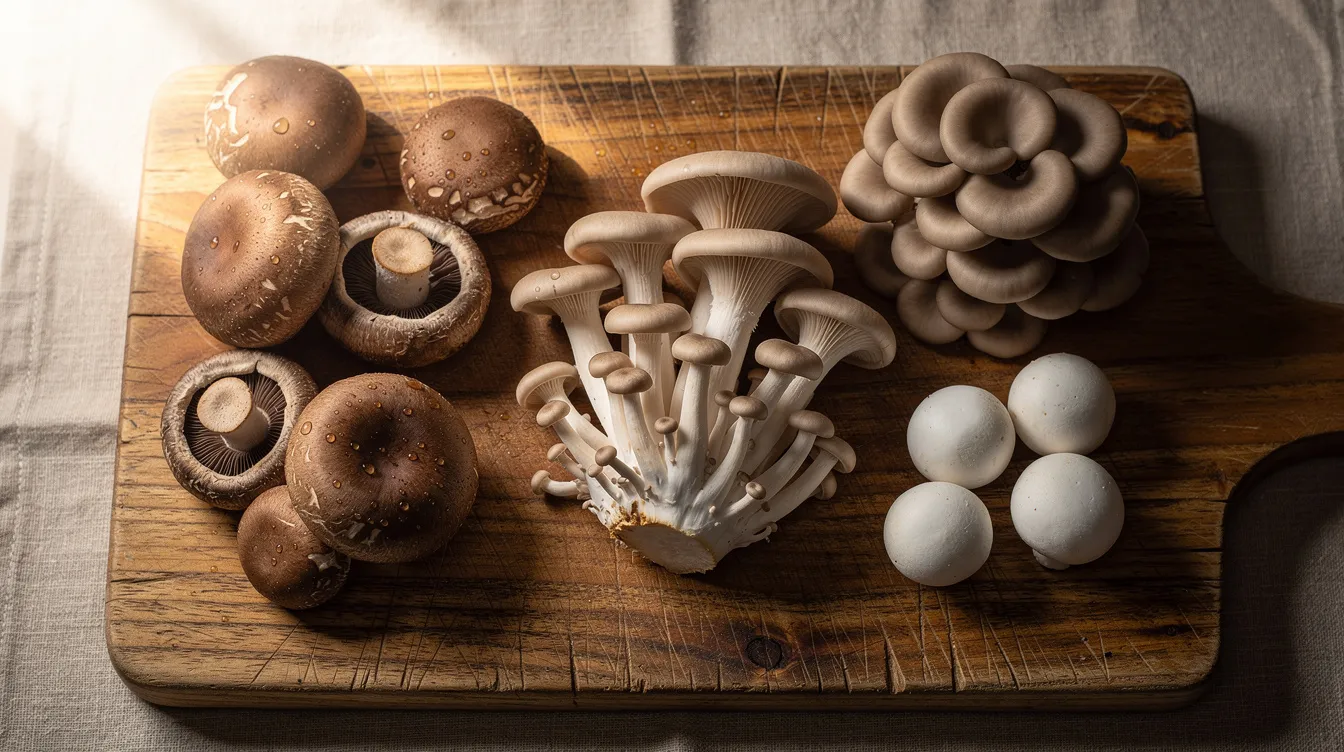
What about mushrooms? A systematic review of experimental research found that mushroom consumption tends to improve triglyceride levels but has mostly neutral effects on total, LDL, and HDL cholesterol. A Cochrane review of Reishi mushroom (Ganoderma lucidum) trials found no clinically significant reduction in LDL or total cholesterol in humans. Mushroom polysaccharides may help reduce LDL oxidation and support blood vessel health through antioxidant activity, and mushrooms are naturally low in saturated fat, so they can displace less healthy protein sources. Consider them a valuable part of a heart healthy diet, but not a standalone solution to reduce cholesterol.
Fish oil supplements containing omega 3 fatty acids, including eicosapentaenoic acid (EPA), reliably lower triglycerides but have modest or inconsistent effects on LDL. Garlic, policosanol, and high-dose niacin have shown smaller or inconsistent effects in rigorous trials, and niacin carries real side effects including liver issues and glucose intolerance.
Supplements should complement, not replace, a heart healthy lifestyle built on food, movement, sleep, and quitting smoking. Always consult a healthcare professional before starting new supplements, especially if you take other medications.
Working With Your Healthcare Team and Long-Term Expectations
While many people can improve cholesterol naturally, genetics, age, and existing heart disease sometimes mean lifestyle changes alone aren't enough. The national heart, lung, and blood institute and the american heart association both emphasize that decisions about medication are individualized, not one-size-fits-all.
Prepare for your next visit by asking your doctor direct questions: What are my LDL, HDL, triglycerides, and total cholesterol numbers? What is my overall risk of heart attack or stroke in the next 10 years? What targets should I aim for given my risk factors? Regular check-ins with your doctor are key for progress.
Adults with LDL greater than 190 should consider statins, and those with known cardiovascular disease or diabetes with additional risk factors are often strong candidates as well. Using medication when needed does not mean natural approaches failed. Medications and lifestyle work together, and lifestyle changes may eventually allow lower doses for some people under medical supervision. Consult your doctor if lifestyle changes aren't enough on their own.
Some diet and lifestyle changes can improve cholesterol levels in as little as 6–12 weeks, but the larger, long-term reductions in risk of heart disease come from staying consistent over years. Choose one dietary shift and one lifestyle change you can start this week. Add a serving of oats and kidney beans several times per week, commit to daily walks, and keep your next appointment with your healthcare professional. That's how you lower your cholesterol and support heart health for the long run.