
Chaga Mushroom Benefits: Evidence, Uses, and Safety
Chaga mushroom has moved from Siberian folk remedy to mainstream wellness ingredient in a remarkably short time. You can now find it in teas, coffee blends, capsules, and skincare serums. But what does the scientific evidence actually say about the potential health benefits of this unusual fungus? This guide breaks down the research, the real uses, and the safety considerations you need to know before taking chaga.
Quick Answer: Key Benefits of Chaga Mushroom
Chaga mushroom (Inonotus obliquus) is a fungus that grows on birch trees in cold climates and has been used for centuries in traditional medicine. It is now one of the most talked-about medicinal mushrooms, consumed as chaga mushroom tea, in supplement form, and in blended chaga products.
Here are the main evidence-backed potential benefits of chaga:
-
Contains potent antioxidants - including polyphenols, flavonoids, melanin, and superoxide dismutase - that protect cells from damage by free radicals
-
Supports immune system function through beta glucans that help regulate white blood cells
-
Demonstrates anti inflammatory properties in laboratory and animal studies
-
Shows antibacterial and antiviral activity in test tube studies
-
Exhibits potential anticancer activity, slowing cancer cells in lab and animal experiments
-
May help lower blood sugar levels and improve cholesterol levels in early research on diabetic mice
Key cautions to keep in mind: chaga may interact with blood thinners and certain medications for diabetes. People with autoimmune diseases, kidney disease, or those who are pregnant should avoid chaga or consult a doctor first.
What Is Chaga Mushroom (Inonotus obliquus)?
Chaga mushroom is a parasitic fungus classified as Inonotus obliquus. It grows primarily on birch trees in cold regions - Siberia, Northern Europe, Alaska, and Northern Canada. You can find chaga mushrooms in these boreal forests, where the fungus develops over years into a hard mass on the tree trunk.
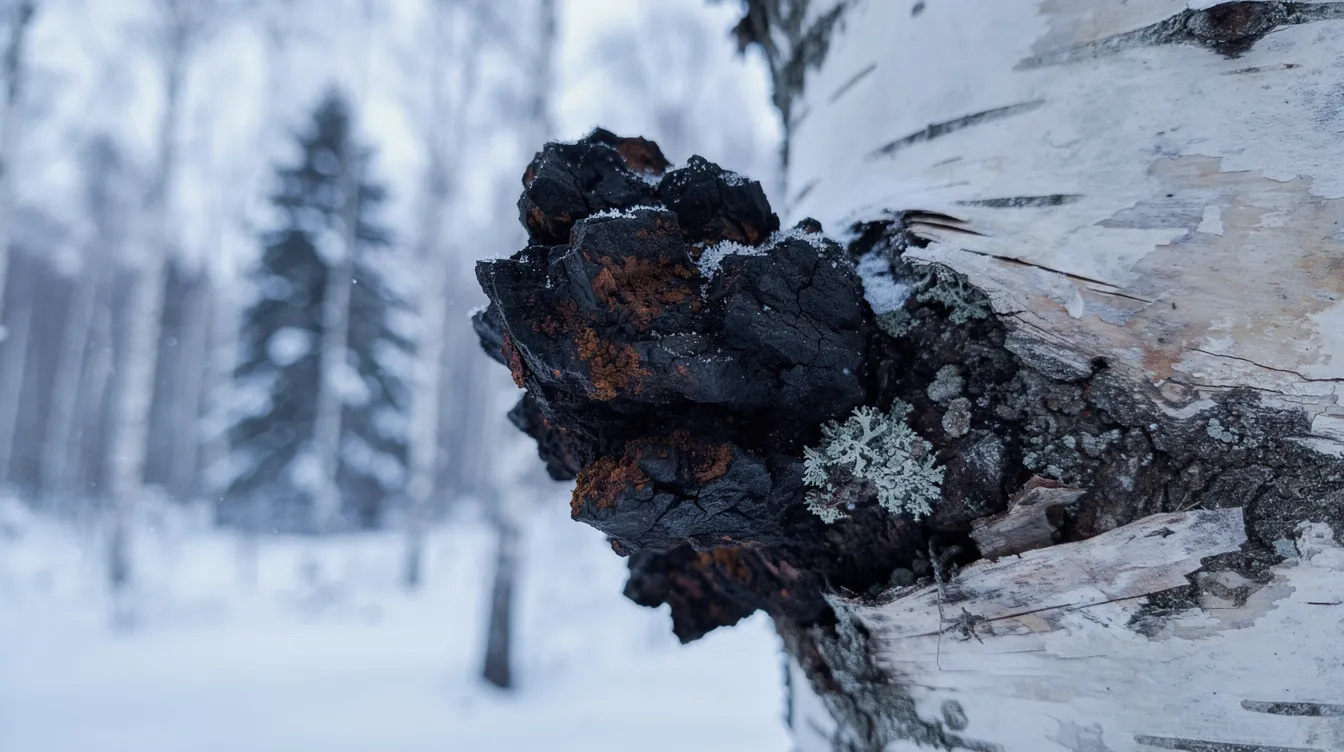
Unlike typical mushrooms with caps and stems, chaga looks like a clump of burnt charcoal with a cracked black exterior and a rusty-brown interior. The part people use is technically a sterile conk (sclerotium), packed with beneficial compounds including polysaccharides, triterpenoids like betulinic acid, polyphenols, and melanin. Chaga's nutritional value comes from its bioactive compounds rather than traditional macronutrients.
Records from 16th-century Russia document chaga's use for liver diseases, stomach ailments, infections, and even gastrointestinal tumors and tuberculosis. Today, chaga is consumed as herbal tea brewed from dried chunks, finely milled chaga powder, liquid chaga extract, capsules, and in products like mushroom coffee and skincare formulations. Chaga is traditionally consumed in folk medicine to support overall wellness and longevity.
Main Health Benefits of Chaga Mushroom
Most data on the benefits of chaga come from test tube studies and animal experiments. Human studies remain limited, so these are potential benefits rather than guaranteed outcomes. That said, early research is genuinely compelling.
-
Antioxidant and cell protection: Chaga mushrooms are considered one of the richest sources of antioxidants among natural substances. They contain high levels of antioxidants like polyphenols, and chaga's antioxidant content includes flavonoids and melanin. These antioxidants combat oxidative stress from free radicals, help protect cells from damage, and may slow aging and reduce chronic disease risk. Chaga mushrooms contain potent antioxidants that combat oxidative stress.
-
Immune system modulation: Chaga contains beta-glucans that help regulate white blood cells and support immune function. Rather than simply boosting immunity, these polysaccharides help balance immune responses - stimulating defense when needed and calming overreaction in other contexts. Chaga mushrooms may boost immunity and overall health.
-
Anti inflammatory effects: Chaga extracts demonstrate anti-inflammatory effects in laboratory studies, reducing harmful cytokines like TNF-α and IL-6. This matters because chronic inflammation underlies many serious conditions. Chaga mushrooms help fight inflammation in the gut and may help alleviate inflammatory skin conditions like eczema.
-
Antibacterial and antiviral activity: Lab studies show chaga may help fight harmful bacteria and viruses. Water extracts inhibited SARS-CoV-2 replication in Vero cell lines and showed activity against hepatitis C, herpes simplex, and HIV in vitro.
-
Potential anticancer activity: Chaga fights cancer cells in test tube and animal experiments across liver, lung, breast, prostate, and colon cancer lines. Animal studies indicate chaga can slow cancer growth. However, no human trials confirm these effects yet.
-
Metabolic support: Some early research suggests chaga may help regulate blood sugar and reduce cholesterol levels in animal models.
While these findings are promising, dosage, long-term safety, and effectiveness in humans are still under investigation. More research is needed across all these areas.
How Chaga Affects Immunity, Inflammation, and Infections
Chaga's reputation largely rests on its effects on the immune system and inflammation. Chaga mushrooms contribute to overall wellness by reducing chronic inflammation and promoting resilient immune function.
-
Chaga polysaccharides and beta glucans increase protective white blood cells in animal models, supporting immune function against pathogens
-
Chaga is considered an "immune modulator" - it can stimulate immune defense when the body is under threat, or dampen over-active inflammatory responses in conditions like metabolic disease
-
Chaga mushrooms may help regulate immune function, which is why the mushroom is frequently used in products marketed for immune support, antioxidant effects, and inflammation reduction
-
Chronic low-grade inflammation underlies conditions like heart disease, type 2 diabetes, and some autoimmune diseases. Chaga contains antioxidants that reduce inflammation, and chaga can inhibit inflammatory cytokines in animal studies - specifically reducing TNF-α, IL-6, and IL-1β through suppression of NF-κB signaling pathways
-
In antibacterial testing, chaga extracts show moderate inhibition against certain harmful bacteria and interfere with bacterial communication (anti-quorum sensing). Antiviral effects are stronger - lab studies document inhibition of multiple viruses. These are early-stage findings and not a substitute for antibiotics or antiviral medications
-
Because chaga can stimulate parts of the immune system, people with autoimmune diseases, organ transplants, or those taking immunosuppressants should be especially careful and consult a specialist before taking chaga
Chaga, Cancer, and Chronic Disease: What the Science Shows
Chaga is often promoted as a fungus that fights cancer. The lab evidence is real, but separating it from marketing hype matters.
-
Chaga supplements resulted in a 60% reduction in tumor size in certain animal models. In the same study and related experiments, chaga extract prevented cancer growth in human liver cells. Chaga shows potential against lung, breast, prostate, and colon cancers, including activity against cervical cancer cells
-
Triterpenoids - particularly inotodiol and betulinic acid, which chaga absorbs from birch trees - play key roles in damaging cancer cells and blocking growth pathways. Anticancer activity also stems from chaga's antioxidant properties, which protect DNA, and its anti inflammatory properties, which reduce conditions favoring tumor development
-
Beyond cancer, animal studies show promise for heart disease risk markers: reduced chronic inflammation, improved cholesterol profiles, and liver protection in rodent models
-
No large, high-quality human clinical trials currently show that chaga cures or treats cancer. The scientific evidence is strictly preclinical
-
Chaga should never replace conventional cancer treatment. At most, it may be considered as a supervised complementary therapy
-
Anyone undergoing chemotherapy, radiation, or immunotherapy must talk to their oncology team before using chaga, due to possible interactions with drugs and the immune system
Blood Sugar, Cholesterol, and Heart Health
Blood sugar and cholesterol are two of the most important markers for long-term cardiovascular and metabolic health. Chaga shows intriguing effects on both - in animals.
-
Chaga mushrooms may reduce blood sugar levels by 31% in some animal experiments. A separate study found that chaga extract improved insulin resistance in diabetic mice, with fasting blood sugar dropping roughly 52% over about four weeks at 300 mg/kg/day. Chaga has been used traditionally to treat diabetes and may help manage blood sugar in insulin-resistant individuals
-
Chaga lowers cholesterol in animal models: chaga extract reduced total cholesterol and triglycerides in rats, chaga mushrooms may lower LDL cholesterol levels, and chaga mushrooms may increase HDL cholesterol levels. These changes connect to chaga's antioxidant and anti inflammatory properties that protect blood vessels from damage
-
There are currently no robust human trials proving chaga can manage diabetes, safely lower blood sugar levels, or treat high cholesterol. Chaga could potentially enhance effects of diabetes drugs, which might cause dangerous hypoglycemia without medical oversight
-
People on insulin, oral diabetes medications, or drugs for heart disease should check with their doctor. Chaga lowers blood sugar and lowers cholesterol in animal models, and combining it with certain medications could amplify these effects beyond safe levels. This also applies to anyone on blood thinning medication for heart conditions
Safety, Side Effects, and Who Should Avoid Chaga
"Natural" does not always mean "safe." This is especially true at high doses or in vulnerable groups, and not all chaga products are created equal.
-
Chaga is generally well tolerated in small amounts in healthy adults, though human data are limited and long-term safety is not fully known. Supplements are not tightly regulated, so potency and purity can vary widely
-
Blood thinners and surgery: Chaga may affect blood clotting and could increase bleeding risk. People on blood thinners (e.g., warfarin) or scheduled for surgery should avoid chaga unless medically cleared
-
Diabetes medications: Combining chaga with insulin or other glucose-lowering drugs risks hypoglycemia. Close monitoring and professional guidance are essential
-
Autoimmune diseases and transplants: Chaga's immune-stimulating effects could worsen autoimmune diseases like lupus, rheumatoid arthritis, or multiple sclerosis, and may interfere with anti-rejection medications
-
Kidney issues and oxalates: Chaga contains high levels of oxalates, which may pose risks for individuals with kidney disease. High or prolonged intake of chaga powder has been associated with oxalate-related kidney injury - one documented case led to end-stage renal failure. People with kidney stones, kidney disease, or osteoporosis should avoid chaga or use it only under specialist supervision
-
Pregnancy, breastfeeding, and children: There is not enough safety data. Medical authorities typically recommend avoiding chaga in these groups
-
Always discuss chaga use with a qualified healthcare provider, especially if taking prescription medications, other supplements, or managing chronic illnesses
How to Use Chaga Mushroom: Tea, Coffee, and Supplements
Chaga can be consumed as a tea or in supplement form like extracts and powders. Here are the common methods.
-
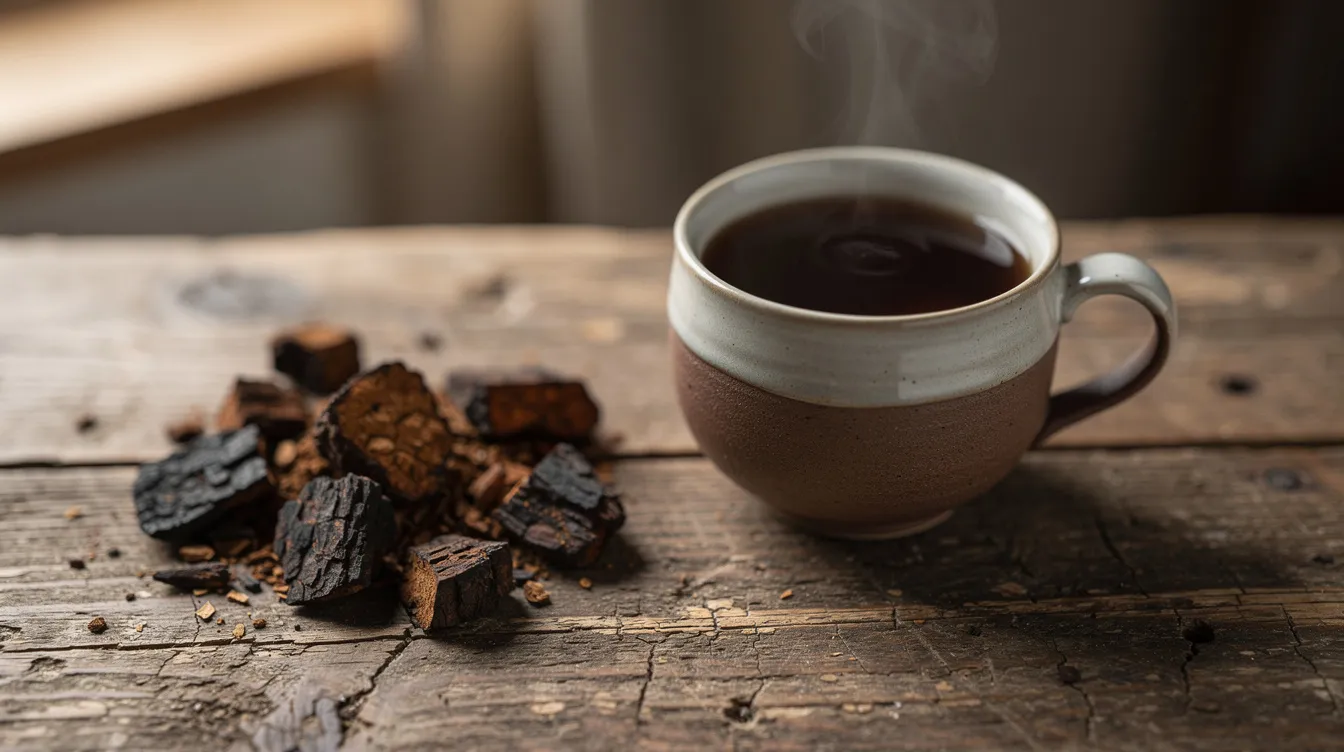
Chaga tea and coffee: To prepare traditional chaga tea, simmer dried chunks or powder in hot water for 15–60 minutes. The result is a dark, earthy brew with subtle vanilla-like notes. Chaga coffee blends mix coffee with chaga extract to reduce caffeine load while adding perceived benefits
-
Powders, extracts, and capsules: Concentrated extracts (e.g., 10:1 ratios) are typically more bioavailable than whole chaga powder. Common daily amounts in products range from a few hundred milligrams of extract, though no standardized medical dosing exists
-
Topical and skincare uses: Chaga is rich in vitamins B1, B2, B3, and D2 for skin health. Chaga may help reduce wrinkles and improve skin elasticity, and chaga's melanin content protects skin from UV radiation damage. Chaga also helps maintain collagen integrity, crucial for skin firmness
-
Usage tips: Start with a low dose and increase slowly. Choose one primary form at a time rather than stacking many chaga products together. If you experience minor colds or digestive shifts, reduce your intake
-
Chaga is a supplemental food ingredient. It is not approved to treat, cure, or prevent diseases like cancer, diabetes, or heart disease, and marketing claims suggesting otherwise should be viewed critically
Choosing High-Quality Chaga Products
Quality matters because variation in species, source, extraction, and contamination can change both benefits and risks of any mushroom supplement.
-
Look for the correct species name - Inonotus obliquus - ideally wild-harvested from birch trees in cold climates for higher betulinic acid content. Chaga harvesting should be sustainable; look for brands that practice responsible methods
-
Choose standardized extracts over raw powder when seeking consistent antioxidant levels of polysaccharides and triterpenoids. Look for clearly stated extraction methods (hot water, dual extraction with alcohol)
-
Check labels for "conk" or "sclerotium" rather than mycelium grown on grain, which can dilute active compounds. Avoid vague proprietary blends hiding the actual amount of chaga per serving
-
Choose products tested by independent labs for heavy metals, pesticides, and microbial contamination
-
Start with a single, reputable chaga product, track how you feel, and share supplement details with your healthcare provider
Frequently Asked Questions About Chaga Mushroom
-
What does chaga tea taste like? Earthy, slightly bitter, with vanilla-like notes. It is caffeine-free, making it a popular alternative to regular herbal tea.
-
Can I drink chaga tea every day? Generally yes in moderate amounts for healthy adults, but long-term safety data are limited. Check with a doctor if you take certain medications.
-
Does chaga really fight cancer? It shows anticancer activity in lab and animal studies, but has not been proven to cure or treat cancer in humans through clinical trials.
-
Is chaga safe with blood thinners? There is a bleeding risk. Anyone on blood thinners should seek medical advice before taking chaga.
-
Can I forage my own chaga? You can find chaga mushrooms on birch trees in northern forests, but correct identification is critical. Risks include misidentification, contamination, and unsustainable chaga harvesting that damages wild populations.