Can Mushroom Supplements Help With Asthma? Evidence, Risks, and Practical Guidance
Asthma affects hundreds of millions of people worldwide, and the search for complementary approaches that might ease symptoms is understandable. Medicinal mushrooms have gained popularity for their potential health benefits, leading many to wonder whether they could play a role in managing this chronic condition. This guide breaks down what the science actually says, where the gaps are, and what you should do if you're considering mushroom supplements alongside your asthma treatment plan.
Quick Answer: Can Mushroom Supplements Help With Asthma?
Mushroom supplements are not a proven treatment for asthma. While certain medicinal mushrooms, such as Reishi and Cordyceps, have shown anti inflammatory or immune-modulating effects in laboratory, animal, and limited human studies, there is not enough high-quality evidence to recommend them for managing asthma. People with asthma should continue using prescribed medications and consult their healthcare professional before trying any supplement.
The current scientific evidence for mushroom supplements in asthma comes primarily from cell cultures, animal models of allergic airway inflammation, and a handful of small human trials. These studies explore mushrooms like Reishi (ganoderma lucidum), Cordyceps, Turkey Tail, Chaga, and lion's mane for their anti inflammatory properties and effects on the immune system. While some findings are scientifically interesting, they remain experimental and fall far short of the evidence needed for clinical recommendations.
Current evidence does not support mushroom supplements as proven treatments for asthma, and mushroom supplements are not a replacement for conventional asthma medications. What this article will cover in detail includes the theoretical mechanisms behind these supplements, specific research on each mushroom, how beta glucans interact with immune cells, the real risks involved, and practical steps for anyone considering these products.
Understanding Asthma and How It Affects the Lungs
Asthma is a chronic inflammatory disease of the airways. It causes the bronchial tubes to swell, produce excess mucus, and become hyper-responsive to various triggers. The result is reduced airflow through the respiratory tract, leading to wheezing, shortness of breath, chest tightness, and coughing, particularly at night or during physical activity.
Common triggers for asthma attacks include pollen, dust mites, mold spores, pet dander, viral respiratory infections, tobacco smoke, air pollution, cold air, exercise, and occupational irritants. When exposed to these triggers, the airways narrow and inflammation intensifies, sometimes severely enough to require emergency care.
At the core of asthma is a misdirected immune system. In allergic asthma, the body's immune responses skew heavily toward Th2-type activity, producing excess cytokines like IL-4, IL-5, and IL-13, along with elevated IgE levels and eosinophil infiltration into the airways. These allergic asthma pathologic features drive chronic airway inflammation and hypersensitivity. Because asthma is fundamentally immune- and inflammation-driven, researchers are naturally curious about agents with anti inflammatory or immune-modulating effects, including some compounds found in medicinal mushrooms.
Standard asthma care, however, relies on well-established, evidence-based treatments: inhaled corticosteroids, long-acting bronchodilators, leukotriene modifiers, and biologic therapies for severe cases. These remain the foundation of effective management.
How Might Mushroom Supplements Theoretically Influence Asthma?
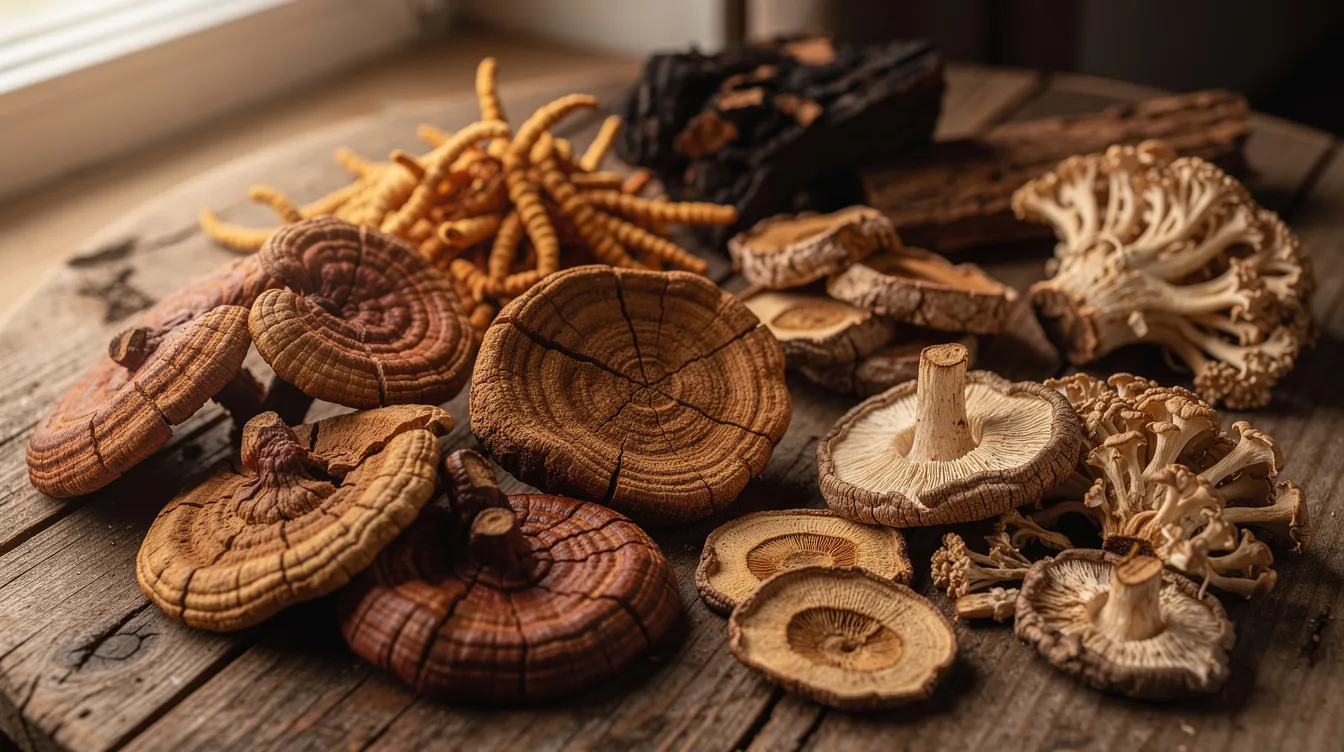
Medicinal mushrooms contain bioactive compounds that regulate immune function. The most studied of these include beta glucans (a type of polysaccharide), triterpenes such as ganoderic acid, ergosterols, and various antioxidants. These active compounds interact with pattern-recognition receptors on immune cells, potentially influencing how the body responds to allergens, pathogens, and chronic inflammation.
The concept at work here is not "immune boosting" but rather immune balance. Many medicinal mushrooms modulate the immune system by balancing TH1 and TH2 responses. In allergic asthma, the immune system leans too far toward Th2 activity. Theoretically, compounds that nudge this balance back toward equilibrium could dampen the excessive allergic response driving airway inflammation.
In preclinical research, mushroom extracts have reduced pro-inflammatory cytokines (IL-4, IL-5, IL-13, TNF-α) and lowered IgE in allergy and asthma models. They have also shown antioxidant activity, potentially reducing oxidative stress in inflamed airways. Certain medicinal mushroom supplements may help manage asthma by reducing inflammation, at least in these experimental settings.
However, most of this evidence comes from cell cultures and animal studies of allergic airway inflammation. These models are helpful for understanding mechanisms, but they do not guarantee that the same effects will translate into measurable improvements in real asthma patients. Reducing cytokines in a petri dish is very different from improving someone's ability to breathe during an asthma flare.
What Does the Research Say About Mushroom Supplements and Asthma?
Overall, clinical research directly testing mushroom supplements in people with diagnosed asthma is scarce, small, and methodologically limited. To understand where the evidence stands, it helps to distinguish between levels of research quality.
Most data sit in the early tiers: in vitro (test tube) experiments and animal models. Animal studies indicate that mushrooms can reduce airway inflammation and immune responses in models of ova induced asthma and other allergic airway conditions. For instance, yeast-derived beta glucans given orally to mice reduced eosinophilic infiltration, Th2 cytokines, and airway hyperresponsiveness in a dose-dependent manner.
A small number of human studies exist. A randomized trial of 120 asthma patients using Cordyceps sinensis over three months showed improvements in quality of life, lung function, and inflammatory markers when added to standard therapy. A double blind RCT comparing ASHMI (a formula containing Reishi alongside other herbs) to prednisone in moderate-to-severe allergic asthma found improvements in FEV₁ in both groups. But these studies are limited by small sample sizes, short durations, and heterogeneous designs.
No systematic review or meta analysis of medicinal mushrooms has concluded that they are effective for asthma specifically. Research suggests these compounds are worth further investigation, but the clinical evidence remains insufficient. Dosage, extract type, duration, and patient populations vary so widely across studies that generalizing results is not possible.
Critically, no major respiratory or allergy guidelines, including the GINA 2026 report, recommend mushroom supplements for asthma management.
Reishi (Ganoderma lucidum) and Asthma
Reishi mushrooms have a long history in traditional chinese medicine, where they were used for "lung qi" support and general vitality. Modern research has focused on their immunomodulatory properties and anti inflammatory activity.
In laboratory and animal studies, Reishi extracts and isolated compounds like ganoderic acid have shown promising effects. One study found that ganoderic acid C1 reduced neutrophilic inflammation, TNF-α, IL-4, IL-5, IL-17, and oxidative stress in a mouse model of steroid-resistant asthma. The compound also increased HDAC2 expression, which is often impaired in steroid-resistant disease. Ganoderma acts as an anti-inflammatory agent reducing airway inflammation in these models, and Reishi mushrooms modulate immune responses and reduce airway inflammation more broadly.
Reishi mushrooms lower inflammation and assist lung function in preclinical settings. They can strengthen respiratory function and support efficient oxygen transport and lung function based on animal data. However, the human evidence is far thinner. The ASHMI formula, which contains Reishi among other herbs, improved FEV₁ from roughly 65% to 84% predicted over four weeks in one trial, but Reishi's individual contribution cannot be isolated from the multi-herb formula.
Despite these interesting signals, there is no strong clinical evidence showing that reishi mushrooms alone improve asthma control scores, reduce exacerbations, or replace inhaled steroids. Anyone considering Reishi for asthma should view it as experimental at best, using it only in addition to prescribed treatment and with their clinician's knowledge.
Cordyceps and Respiratory Health: Asthma, Lung Function, and Exercise
Cordyceps has been used in traditional medicine for respiratory diseases, fatigue, and altitude tolerance for centuries. Today, cordyceps militaris and Ophiocordyceps sinensis are studied for physical performance, oxygen uptake, and respiratory function.
Several small human trials in healthy adults and athletes have explored Cordyceps supplementation for exercise capacity. Some report modest improvements in VO₂ max and oxygen utilization, suggesting that Cordyceps enhances oxygen utilization during physical activities. Cordyceps improves oxygen utilization and lung function according to these limited data, and it enhances oxygen utilization and reduces inflammation in preclinical models.
In animal studies, Cordyceps extracts reduced airway inflammation, mucus production, and allergic responses. The compound alleviates ova induced asthma symptoms in mice and suppresses inflammatory proteins in human cells in vitro. A randomized trial of 120 asthma patients using a Cordyceps sinensis formulation (Corbin capsule) over three months found statistically significant improvements in lung function, quality of life, and reductions in IgE, IL-4, and other inflammatory markers when added to standard inhaled corticosteroid therapy. Cordyceps may reduce the severity of asthma attacks based on these early findings.
However, this remains a single moderate-sized trial. The evidence is not strong enough for treatment recommendations. Marketing claims about Cordyceps "curing" asthma or replacing inhalers are unproven and potentially dangerous if they lead people to stop prescribed medications. If you have stable asthma and are interested in Cordyceps for general energy production or exercise capacity, discuss potential benefits and risks with your doctor first.

Turkey Tail, Chaga, Lion's Mane and Other Medicinal Mushrooms in Asthma Research
Several other mushrooms are popular for immune support or neurological benefits, but their asthma-specific evidence ranges from thin to nonexistent.
Turkey Tail (Trametes versicolor) contains beta-glucans that support immune function, particularly the well-studied compounds PSK and PSP. These have been researched extensively in cancer immunology by institutions including the national cancer institute, but Turkey Tail's role in allergic asthma or measured respiratory function has not been robustly tested in clinical trials. Its immune support properties are real, but they do not translate into proven asthma treatment.
Chaga mushrooms provide powerful antioxidant and anti-inflammatory support. Chaga extracts show antioxidant activity and general anti inflammatory effects in laboratory settings, and Chaga mushrooms help combat oxidative stress in the lungs based on in vitro data. However, there is no solid asthma-focused clinical evidence for Chaga.
Lion's mane (Hericium erinaceus) is primarily researched for cognition, nerve growth factor stimulation, and effects on the nervous system. Some studies note generalized anti inflammatory effects, but no reliable trials demonstrate benefit for asthma symptoms, respiratory symptoms, or lung function.
It is worth noting that Tiger Milk Mushroom has the most asthma-specific research among medicinal mushrooms, and Tiger Milk Mushroom has been traditionally used to treat respiratory disorders. However, even this research base remains small.
Other mushrooms sometimes promoted for respiratory support, such as Shiitake and Maitake, similarly lack asthma-specific clinical proof. These mushrooms may contribute to immune balance or general well being, but their use for asthma remains speculative.
Immune Support, Immune Balance, and Asthma: What Beta Glucans Actually Do
Beta glucans are polysaccharides found in many medicinal mushrooms. They interact with immune cells, including macrophages, dendritic cells, and NK cells, primarily through receptors like Dectin-1. Medicinal mushrooms contain compounds like beta-glucans researched for immune system balance, making them a central focus of mushroom immunology.
What makes beta glucans interesting for respiratory health is their ability to modulate, not simply activate, immune responses. Mushrooms can stimulate the production of immune cells while simultaneously helping to regulate overactive inflammatory pathways. Beta-glucans from mushrooms may reduce respiratory infections and improve allergic symptoms by shifting Th2-dominant allergic responses toward a more balanced immune profile and dampening excessive cytokine production linked to airway inflammation.
In a study of asthmatic children aged 6-12, subcutaneous beta-1,3-glucan injections over eight weeks increased IL-10 (an anti-inflammatory cytokine) from approximately 6.4 pg/mL to 11.3 pg/mL and reduced symptom scores. A multicenter trial using pleuran, a beta-glucan from oyster mushrooms, reduced respiratory tract infection frequency and lowered eosinophil counts in asthmatic children over 24 to 48 weeks.
However, most mechanistic data come from non-asthma populations: common cold prevention, cancer adjunct therapies, and general immune function trials. The marketing term "immune boosting" deserves particular caution. In asthma and allergy, indiscriminately boosting the immune system is not always desirable. Controlled, balanced immune responses are the goal. While mushroom-derived beta glucans contribute to the theoretical rationale for asthma research, they do not prove that mushroom supplements will improve asthma outcomes on their own.
Potential Benefits Beyond Asthma: Respiratory and Overall Health
Some medicinal mushrooms are being studied for broader respiratory support beyond asthma specifically. Research has explored whether certain mushrooms can reduce the frequency or duration of upper respiratory infections, improve resilience under high physical or environmental stress, or provide mild improvements in perceived breathing comfort.
Functional mushrooms help enhance the body's ability to fight infections, which could indirectly benefit people with asthma. Viral respiratory infections are one of the most common triggers for asthma exacerbations, so fewer colds could theoretically mean fewer flare-ups. However, this indirect link is not firmly established in asthma patients specifically.
Mushrooms contain antioxidants that protect lung cells from damage, offering systemic benefits that support respiratory health alongside metabolic health, stress resilience, and overall well being. Some research has also explored mushrooms for respiratory issues related to chronic obstructive pulmonary disease, though again, the data are preliminary.
Mushrooms are also a nutritious food in their own right. As part of a balanced diet, culinary mushrooms provide fiber, B vitamins, selenium, and ergosterol, contributing to general health without the risks associated with concentrated supplement forms.
These potential benefits still require more rigorous study, particularly in people with diagnosed respiratory diseases. Results from healthy adults or athletes should not be extrapolated directly to asthma patients without specific supporting data. Think of these as interesting possibilities, not established facts.
Risks, Side Effects, and Who Should Avoid Mushroom Supplements
Mushroom supplements are generally well tolerated, but "generally" does not mean "always." Common side effects include digestive upset, nausea, loose stools, and occasional headache. These are usually mild and dose-dependent, but individual sensitivity varies.
The more serious concern for asthma patients is allergic reactions. Some individuals may experience allergic reactions to specific mushrooms worsening respiratory symptoms. Reactions can include rash, itching, swelling, or breathing difficulty. Anyone with known mushroom or mold allergies should be especially careful, as cross-reactivity is possible. If you have allergic rhinitis triggered by mold or fungal spores, mushroom supplements could potentially worsen allergy symptoms rather than improve them. Environmental exposure to fungal beta-glucans from house dust and mold has actually been associated with worse airway hyperresponsiveness in some studies.
Drug interactions are another real risk. Mushroom supplements may interact with:
-
Blood thinners (e.g., warfarin), as some mushrooms affect platelet function
-
Immunosuppressants used after organ transplant or for autoimmune conditions
-
Antihypertensives and medications affecting cholesterol levels or blood sugar
People on biologic therapies for severe asthma, those requiring high-dose steroids, or anyone with autoimmune conditions should consult their specialist before adding immune-modulating supplements.
Pregnant or breastfeeding individuals, children, and people with serious liver or kidney disease face additional uncertainty due to limited safety data in these groups. Finally, supplement quality itself poses risk: contaminants, misidentified species, heavy metals, and variable concentrations of active compounds are common in an industry with less regulatory oversight than pharmaceuticals.
What People With Asthma Should Do Before Considering Mushroom Supplements
The foundation of asthma care is an individualized, evidence-based plan built with your healthcare professional. This typically includes reliever inhalers for acute symptoms and controller medications (inhaled corticosteroids, combination inhalers, or biologics) for ongoing management. No supplement should alter this foundation.
Before adding any new product, review your current asthma control honestly:
-
How often do you experience respiratory symptoms during the day?
-
Do you wake at night due to asthma?
-
How frequently do you use your reliever inhaler?
-
Have you had any exacerbations or emergency visits recently?
If your asthma is poorly controlled, the priority is optimizing your existing treatment plan, not adding supplements.
If you do want to discuss mushroom supplements with your doctor, asthma nurse, or pharmacist, come prepared. Bring the product label, ingredient list, dosage information, and your reasons for interest (e.g., immune support, perceived anti inflammatory benefits). Ask specific questions:
-
"Could this interact with my current medications?"
-
"Is it safe given my level of asthma control?"
-
"What signs should make me stop using it?"
Never change or stop prescribed asthma medication, including inhaled steroids, long-acting bronchodilators, or biologics, without explicit medical advice. Even if you start a supplement and feel better, correlation is not causation.
If your clinician approves a trial, keep a simple symptom and peak flow diary. Tracking lung function and symptom patterns objectively helps distinguish real changes from placebo effects or coincidence.
How to Choose and Use Mushroom Supplements Safely
If you and your doctor decide a trial is reasonable, product selection matters. Optimal mushroom supplement dosages are not well established and may vary by product, so quality and transparency become critical.
Start by choosing products that specify the exact species (e.g., ganoderma lucidum, cordyceps militaris, Hericium erinaceus) and the part used. Supplements made from fruiting bodies generally contain higher concentrations of bioactive compounds than those made from mycelium grown on grain. Look for products listing standardized levels of beta glucans or other relevant active compounds.
Third-party testing adds a layer of confidence. Reputable products carry certifications from independent labs verifying the absence of heavy metals, pesticides, and microbial contaminants. Without this testing, you are trusting the manufacturer's claims alone.
Dosage in published studies often differs substantially from retail product labels. Start with the manufacturer's recommended dose and adjust only under professional guidance. Begin with one product at a time, at a lower dose, to test tolerance. Taking supplements with food can minimize digestive side effects.
Resist the temptation to stack multiple mushroom supplements simultaneously. Combining Reishi, Cordyceps, Chaga, and lion's mane capsules might seem like comprehensive coverage, but it increases the likelihood of potential side effects and makes it impossible to identify which product is responsible for any changes you notice.
Remember that "natural" does not mean "risk-free." High doses, multi-product regimens, and unverified formulations carry real uncertainty, especially for people managing a chronic condition like asthma.
Evidence-Based Asthma Management: Where Mushroom Supplements Fit In
Modern asthma care rests on well-established pillars: accurate diagnosis through spirometry and clinical history, identification and avoidance of triggers, pharmacologic control with inhaled corticosteroids and bronchodilators, vaccinations against influenza and pneumonia, and structured self-management plans with written action plans.
Mushroom supplements, if used at all, sit firmly outside guideline-directed therapy. They are complementary, experimental adjuncts. They should never be the primary or sole intervention for anyone with asthma.
Context matters when assessing risk. A well-controlled adult with mild, stable asthma who wants to try Reishi for general immune balance occupies a very different risk profile than a child with severe, unstable asthma on multiple controllers. Supplement experimentation is more acceptable in the first scenario and inadvisable in the second.
Before reaching for mushrooms for respiratory support, consider lifestyle interventions with stronger evidence:
-
Smoking cessation (the single most impactful modifiable factor)
-
Weight management, which can significantly improve asthma control
-
Regular exercise training, appropriately managed
-
Allergen reduction measures at home
-
Breathing exercises and pulmonary rehabilitation
These approaches have robust scientific evidence behind them. Anecdotal stories and online testimonials about mushrooms "curing" asthma should be met with healthy skepticism. Personal experiences, while valid, do not constitute the controlled clinical evidence needed to change treatment recommendations. The body's ability to improve or fluctuate in symptoms over time makes it especially easy to attribute improvement to a supplement when other factors may be responsible.
Comparison Table: Medicinal Mushrooms and Asthma Evidence
The table below provides a simplified overview of the mushrooms most commonly discussed in relation to asthma. It summarizes their proposed mechanisms, the current strength of human evidence, and practical recommendations as of mid-2026.
|
Mushroom |
Potential Mechanism |
Human Evidence for Asthma |
Current Recommendation |
|---|---|---|---|
|
Reishi |
Immune modulation, anti inflammatory effects via triterpenes and polysaccharides |
Limited (part of multi-herb formula trials) |
Not recommended as standalone treatment; adjunct only with medical advice |
|
Cordyceps |
Anti inflammatory activity, respiratory and oxygen utilization research |
Limited (one moderate RCT as add-on therapy) |
More research needed; do not replace standard care |
|
Turkey Tail |
Immune support via beta glucans (PSK, PSP) |
Very limited; no asthma-specific trials |
No evidence for asthma treatment |
|
Lion's Mane |
Anti inflammatory research, nervous system support |
None specific to asthma |
No evidence for asthma |
|
Chaga |
Antioxidant properties, anti inflammatory support |
None specific to asthma |
No evidence for asthma |
This table does not capture every nuance, but it underscores the consistent theme across all these mushrooms: insufficient evidence to support their use as asthma treatments. The most promising data exist for Reishi and Cordyceps, yet even these fall short of the standard required for clinical recommendations.
Frequently Asked Questions About Mushroom Supplements and Asthma
Can mushroom supplements cure asthma?
No. Asthma is a chronic condition without a known cure, and no mushroom supplement has been shown to cure it. While certain mushrooms have anti inflammatory and immunomodulatory properties being studied in early research, these do not amount to a cure. Asthma patients should focus on long-term management with proven therapies.
Is Reishi good for asthma?
Reishi mushrooms show interesting anti-inflammatory and immune-modulating effects in laboratory and animal research, and Ganoderma lucidum has a long history of traditional use. However, robust human evidence that Reishi improves asthma control is lacking. It should not be considered a treatment for asthma based on current scientific evidence.
Can Cordyceps improve breathing?
Some small studies suggest Cordyceps may improve oxygen uptake and exercise tolerance in healthy individuals, and it has been used in traditional medicine for respiratory support. However, evidence that it meaningfully improves breathing in asthma patients is very limited and preliminary.
Are mushroom supplements safe for people with asthma?
For most people, mushroom supplements are well tolerated. However, they can cause digestive upset, and some individuals may experience allergic reactions. People with mushroom or mold allergies face particular risk. Supplements can also interact with certain medications. Always discuss with your healthcare professional before starting.
Can mushroom supplements replace my inhaler?
Absolutely not. Mushroom supplements cannot replace prescribed asthma medications, including reliever and controller inhalers. Stopping or reducing prescribed treatment in favor of supplements can lead to dangerous, potentially life-threatening asthma exacerbations.
Should I take mushroom supplements if I have allergies?
Exercise caution. If you have food allergies, environmental allergies, or allergic rhinitis, discuss any new supplement with your allergist or immunologist. Cross-reactivity with fungal allergens is possible, and in some cases mushroom supplements could worsen rather than improve your symptoms.

Key Takeaway: Where the Science Stands on Mushrooms and Asthma
Current evidence does not support mushroom supplements as a treatment for asthma. While some medicinal mushrooms are being studied for their immune and anti inflammatory properties, they should be viewed as experimental in this context. People with asthma should continue evidence-based medical treatment and only consider supplements after discussing them with their healthcare provider.
The evidence landscape for mushrooms and asthma includes interesting laboratory and animal findings, limited and mixed human data, no large definitive randomized controlled trials, and no endorsements from major respiratory guidelines. Studies by researchers like wang b, chen j, and others have contributed valuable early-stage data, but significant gaps remain in translating preclinical promise into proven patient outcomes.
Medicinal mushrooms may have legitimate roles in general immune support, anti inflammatory activity, or overall well being for some individuals. Mushrooms are also a valuable food in many dietary traditions. But their use specifically for asthma should be considered experimental and strictly adjunctive to proven treatments.
If you live with asthma, your best path forward is clear: maintain your prescribed treatment plan, work closely with your healthcare team, stay physically active within safe limits, avoid known triggers, and remain skeptical of marketing claims that overstate what the science currently supports. You can absolutely explore complementary options as research evolves, but only within a safe, medically supervised framework that keeps proven treatments at the center of your care.