
Can Cordyceps Mushroom Improve Athletic Performance?
Quick Answer: Can Cordyceps Mushroom Improve Athletic Performance?
Cordyceps may support athletic performance by helping improve aerobic capacity, reduce fatigue, and enhance oxygen utilization in some people. However, current research shows mixed results, with benefits appearing more consistently in older adults and recreational exercisers than in elite athletes. More large, high-quality clinical trials are needed to confirm these effects.
This means cordyceps is not a guaranteed performance enhancer and should not replace proper training, nutrition, and recovery. Both cordyceps sinensis and cordyceps militaris have been studied, with most modern cordyceps supplements using cultivated C. militaris. The overall evidence on the effectiveness of cordyceps is still moderate, and while it can enhance VO2 max levels for better endurance in some individuals, expect modest, potential support rather than dramatic gains. Athletes striving for peak performance should view this fungus as one piece of a much larger puzzle.

What Are Cordyceps Mushrooms? (Sinensis vs. Militaris)
Cordyceps mushrooms are a genus of parasitic fungi that have been used in traditional Chinese medicine and traditional medicine systems across Tibet and Nepal for centuries to combat fatigue, support respiratory health, and promote vitality. They naturally grow on insect larvae in high-altitude regions, though modern cultivation has changed how we access them.
Cordyceps sinensis (Ophiocordyceps sinensis):
-
Cordyceps sinensis is a traditional Chinese medicinal mushroom, traditionally harvested from caterpillar hosts in the Himalayas at 3,500–5,000 m elevation.
-
Naturally rare, extremely expensive, and now heavily restricted in many regions.
-
Historically associated with improved stamina and recovery in chinese medicine, but largely inaccessible for everyday use.
Cordyceps militaris:
-
Cordyceps militaris can be cultivated without insect hosts, growing on grain or other substrates, making it sustainable and affordable.
-
Cordyceps militaris is known for its high cordycepin content, along with polysaccharides and adenosine.
-
Most modern research and supplements rely on this species.
Many products labeled "cordyceps" actually contain cultivated C. militaris fruiting bodies, mycelium, or CS-4 (a fermented mycelial form derived from C. sinensis). Cordyceps mushrooms contain bioactive compounds like polysaccharides, and checking the species and form on the label is essential before purchasing.
Key health benefits traditionally associated with cordyceps include support for energy, respiratory health, resistance to fatigue, healthy aging, and immune function.
Can Cordyceps Mushroom Improve Athletic Performance? (Deep Dive)
So can cordyceps mushroom improve athletic performance in a meaningful way? Current evidence suggests modest, mixed benefits. Improvements appear more consistently in older adults and untrained or recreational populations than in elite endurance athletes.
Athletic performance is multifactorial - it spans VO₂ max, time to exhaustion, power output, recovery speed, and perceived fatigue. Cordyceps appears to primarily influence aerobic capacity and fatigue resistance rather than sprint power or maximal strength. This makes it most relevant for:
-
Endurance sports like running, cycling, and hiking
-
High-volume training blocks where fatigue management matters
-
Older adults aiming to preserve aerobic fitness
Important limitations exist. Many trials involve fewer than 100 participants and last only three weeks to 12 weeks. The effects of cordyceps on athletic performance are variable and depend on the specific strain, extraction method, and dosage (ranging from 1–6 g/day). Research indicates potential benefits of cordyceps are more likely for endurance athletes, while well-trained athletes near their physiological ceilings may see little change. Cordyceps enhances endurance by improving blood circulation and oxygen flow, but it is not a game changer that replaces solid programming.
Cordyceps is not on the WADA Prohibited List as of 2026, making it a legal supplement for competitive athletes when used as a pure mushroom extract without prohibited additives.
What Does the Research Say? Human Studies & Evidence Quality
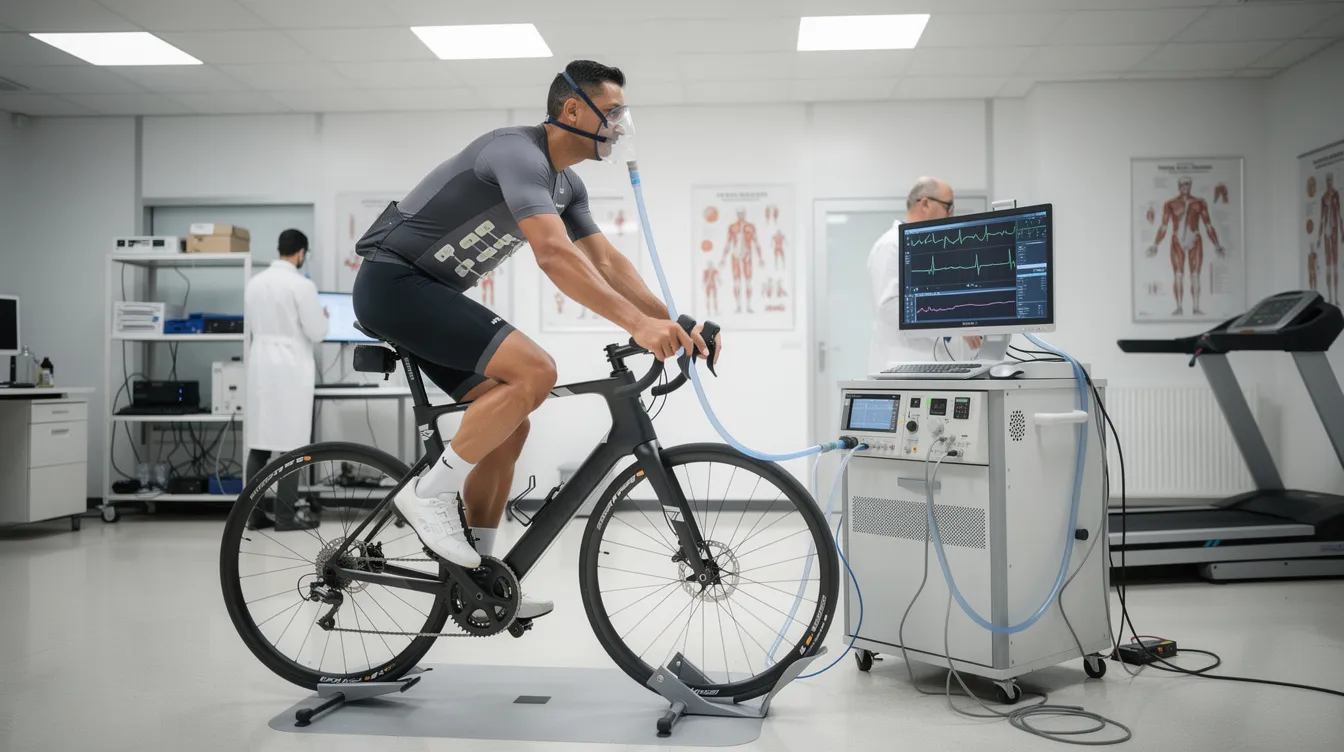
Human research on cordyceps and exercise performance has grown steadily since the 1990s, but the overall body of evidence remains limited and heterogeneous. Study designs vary widely in species used, dosage, duration, and participant fitness level.
Studies showing positive or modest benefits:
-
A 2017 trial by Hirsch et al. gave recreationally active adults a mushroom blend containing C. militaris at ~4 g/day. After three weeks, VO₂max increased by approximately 4.8 mL/kg/min and time to exhaustion improved by ~70 seconds compared to placebo.
-
In healthy older adults (age 50–75), 12 weeks of Cs-4 supplementation increased the metabolic threshold by ~10.5%, meaning participants could work at higher intensities before fatigue set in.
-
A 2024 trial in 48 young Indian athletes found that supplementation of 1g cordyceps militaris daily improved oxygen saturation (~95% during high intensity exercise), stabilized heart rate, and improved both 200 m and 5 km running times. Blood lactate was reduced, and hemoglobin and hematocrit levels were maintained. Cordyceps supplementation can improve running performance significantly in this population. Cordyceps reduces lactate levels during exercise, aligning with delayed exhaustion findings across studies.
Studies showing null results:
-
Endurance-trained male cyclists taking 3 g/day Cs-4 for 5 weeks showed no significant change in VO₂max or time-trial performance.
-
A 16-week study in long-distance runners found improved blood markers (hemoglobin, lower creatine kinase) but no difference in 5,000 m race times versus placebo.
A 2025 meta-analysis in Frontiers in Nutrition pooled 14 RCTs across 528 athletes and concluded that cordyceps significantly improved endurance performance, ventilatory threshold, and VO₂peak, though effect sizes were modest. Studies suggest chronic supplementation of cordyceps may boost VO2 max, but more research with standardized preparations is needed, especially in competitive athletes.
How Cordyceps May Support Exercise Performance (Mechanisms)
Several mechanisms have been proposed to explain the benefits of cordyceps for exercise, but many rest on a mix of human, animal, and in vitro data (including studies in test tubes), so they remain hypotheses rather than proven facts.
Oxygen uptake and respiratory health:
Cordyceps can enhance oxygen uptake and lung function, as suggested by improved oxygen saturation in several human trials. Traditional use and modern data point to enhanced oxygen delivery and possible bronchodilatory effects that may improve lung function and oxygen flow to working muscles. This capacity to improve endurance exercise performance ties directly to how efficiently the body uses oxygen during sustained effort.
Cellular energy production (ATP):
Cordyceps improves oxygen utilization and atp production. Bioactive compounds like adenosine and cordycepin may upregulate mitochondrial function and adenosine triphosphate synthesis. Cordyceps mushrooms are believed to enhance athletic performance through atp production, and cordyceps improves cellular energy production and reduces fatigue. Cordyceps improves endurance by increasing ATP production, giving athletes more energy during longer periods of effort.
Fatigue resistance and lactate buffering:
Cordyceps polysaccharides and bioactive substances with antioxidant properties may help buffer metabolites like lactate, helping to treat fatigue and enabling athletes to train harder for longer. Human data from the Indian runner trial showed reduced fatigue and less fatigue markers after acute and chronic supplementation.
Recovery and oxidative stress:
Cordyceps can reduce muscle inflammation and soreness post-exercise. Its antioxidant activity may help manage exercise-induced oxidative damage and muscle damage, supporting quicker recovery and reduced muscle soreness between sessions. This could help athletes recover faster after intense training.
Additional speculative mechanisms:
Cordyceps may modestly influence nitric oxide production and vascular function, potentially improving blood flow, cardiovascular health, and muscle perfusion during exercise. These pathways remain under investigation.
These mechanisms are plausible but not definitively proven. Actual performance outcomes depend heavily on individual response, training status, and overall program design.
Potential Benefits for Athletes and Active Adults
Taken together, existing data suggest cordyceps may offer modest, multidimensional support for people engaging in regular physical activity, particularly endurance exercise.
-
Endurance exercise and time to exhaustion: Some trials report improved endurance exercise performance and longer treadmill running times. This is the most consistently reported benefit, supporting the idea that cordyceps militaris improves tolerance to sustained effort. Cordyceps can boost endurance and improve performance in activities demanding aerobic stamina.
-
Aerobic capacity (VO₂ max): Cordyceps can enhance VO2 max levels in athletes after several weeks of use, though results remain mixed - especially in already fit populations. Cordyceps enhances VO2 max levels during intense exercise in some but not all studies.
-
Perceived energy and fatigue: Many users report feeling reduced fatigue and having more energy during moderate-intensity efforts. These subjective benefits are worth noting alongside objective metrics.
-
Recovery after training: Cordyceps is thought to improve exercise tolerance and recovery rates. It may help reduce muscle damage and support quicker recovery, allowing athletes to maintain higher training volumes. Cordyceps can improve recovery times for athletes after intense workouts.
-
Functional performance and healthy aging: In older adults, improved endurance and walking capacity may translate into better daily function and independence - making cordyceps a potentially valuable tool for healthy aging and physical performance.
All these potential benefits depend on consistent use, adequate sleep, nutrition, and a well-designed training program integrated into your daily routine.
Cordyceps Species, Forms, and Who May Benefit Most
Species and preparation directly influence what you get from cordyceps supplements. Here is what matters.
Cordyceps militaris is the most common species in modern products due to sustainable cultivation. It is naturally high in cordycepin and other bioactive compounds linked to energy production and endurance effects. The 2024 Indian athlete study used live C. militaris infusion at 1 g/day for three weeks with clear improvements in oxygen saturation and running performance.
Ophiocordyceps sinensis is the wild-harvested form now rare and expensive, often replaced by cultivated mycelial strains like CS-4. It remains prized in traditional medicine for respiratory health and vitality.
Fruiting body extracts (especially from C. militaris) typically provide higher levels of cordycepin and certain polysaccharides. Mycelial products grown on grain can be effective but may have lower concentrations of actives. Always check for transparent labeling.
Who may benefit most:
-
Older adults seeking improved endurance and resistance to fatigue
-
Recreational exercisers or people beginning an exercise program
-
Highly trained and elite athletes may experience smaller or no measurable gains, though some notice subjective recovery or fatigue benefits
Match the form and dosage to your goals and monitor your response over a 4–8 week period.

How to Choose and Use a Cordyceps Supplement
Not all cordyceps products deliver the same potential effects. Quality and dosing matter significantly.
Key criteria for choosing a supplement:
-
Clearly identified species (e.g., Cordyceps militaris fruiting body or CS-4 mycelial strain)
-
Transparent labeling showing fruiting body vs. mycelium and mushroom-to-substrate ratio
-
Third-party testing for purity, heavy metals, and contaminants
-
GMP-certified manufacturing without proprietary blends or unnecessary fillers
-
Dual extraction (hot water + alcohol) for consistent bioactive content when available
-
Standardization to cordycepin or polysaccharide percentages where possible
Forms and timing:
Capsules offer precision dosing; powders work well mixed into pre-workout routines. Take cordyceps 30–60 minutes before training for perceived energy and respiratory support, or take a morning dose for general vitality. Cordyceps can be taken daily for optimal benefits. Cordyceps can also be taken at night without disrupting sleep.
Dosage ranges from research:
Optimal dosage ranges from 1 to 4.5 grams per day based on human trials. Higher doses of 4–6 grams may enhance performance effects, though individuals should follow product directions and consult a professional, especially when combining cordyceps with other supplements like caffeine or beta-alanine.
Chronic supplementation over weeks - not a single dose - is the key to determining whether cordyceps supports your training goals. Strong evidence for acute single-dose effects remains limited.
Safety, Side Effects, and Sports Legality
Cordyceps is generally well tolerated in healthy adults, but safety considerations still apply.
-
Reported side effects are usually mild: digestive upset, nausea, diarrhea, dry mouth, or allergic reactions in sensitive individuals
-
Stop use and seek medical advice if unusual symptoms occur
Caution groups:
-
People on blood thinners or with bleeding disorders - cordyceps may affect clotting
-
Individuals with autoimmune conditions or on immunosuppressant medications
-
Those taking diabetes medications, as cordyceps may influence blood sugar
-
Pregnant or breastfeeding individuals - insufficient data; avoid or use only under medical supervision
Cordyceps has been used safely in studies for up to 12 months at doses around 3–6 g/day, but long-term data beyond this are limited.
Sports legality: Cordyceps is not on the WADA Prohibited List and is generally allowed in competitive sports. Competitive athletes should use reputable, third-party tested brands and consult their team doctor or sports nutritionist. Any supplement decision should be made in partnership with a healthcare professional.
FAQ and Key Takeaway
Does cordyceps increase endurance? Some studies show improved endurance and time to exhaustion, particularly in older adults and recreational exercisers. Results are mixed in highly trained athletes, but the trend favors modest gains in aerobic capacity.
Can cordyceps improve VO₂ max? A few trials report small VO₂ max increases after three weeks to six weeks of use. The evidence is promising but inconclusive, especially for those already at high fitness levels.
Is cordyceps good for runners? Runners and other endurance athletes may find cordyceps most relevant for aerobic support and oxygen delivery. Individual response varies, and it works best as part of a complete nutrition and training plan.
Does cordyceps help build muscle? Cordyceps is not a muscle-building supplement. Its benefits relate to fatigue resistance, recovery, and endurance rather than hypertrophy or maximal strength.
How long does cordyceps take to work? Research often uses a minimum of three weeks of daily supplementation to detect measurable changes, with some benefits emerging over 4–8 weeks of consistent use.
Should I take cordyceps before or after a workout? Many athletes take it 30–60 minutes pre-workout. Daily timing can be flexible as long as intake is consistent.
Is cordyceps allowed in competitive sports? Cordyceps itself is legal under current anti-doping rules. Athletes must ensure their products are free of banned substances by choosing third-party tested medicinal mushrooms.
Cordyceps shows promising potential as a supplement for supporting endurance, energy, and exercise capacity, particularly in older adults and recreationally active individuals. However, current evidence is mixed, especially among highly trained athletes. A high-quality cordyceps supplement may complement a well-designed training program, but it should not be viewed as a substitute for proper training, nutrition, recovery, and evidence-based sports performance strategies.