

Best Reishi Mushroom Supplements for Sleep
The best reishi mushroom supplement for sleep is a high-quality, third-party tested extract made from the fruiting body, with transparent ingredient labeling and standardized bioactive compounds. While reishi may help support relaxation and better sleep quality for some individuals, current human evidence is still emerging, so results can vary. Given that 50 to 70 million Americans experience sleep-related concerns, interest in natural options like adaptogenic mushrooms has surged. This guide breaks down what to look for, which forms work best, and what you can realistically expect from adding reishi to your evening routine.
Why People Use Reishi for Sleep
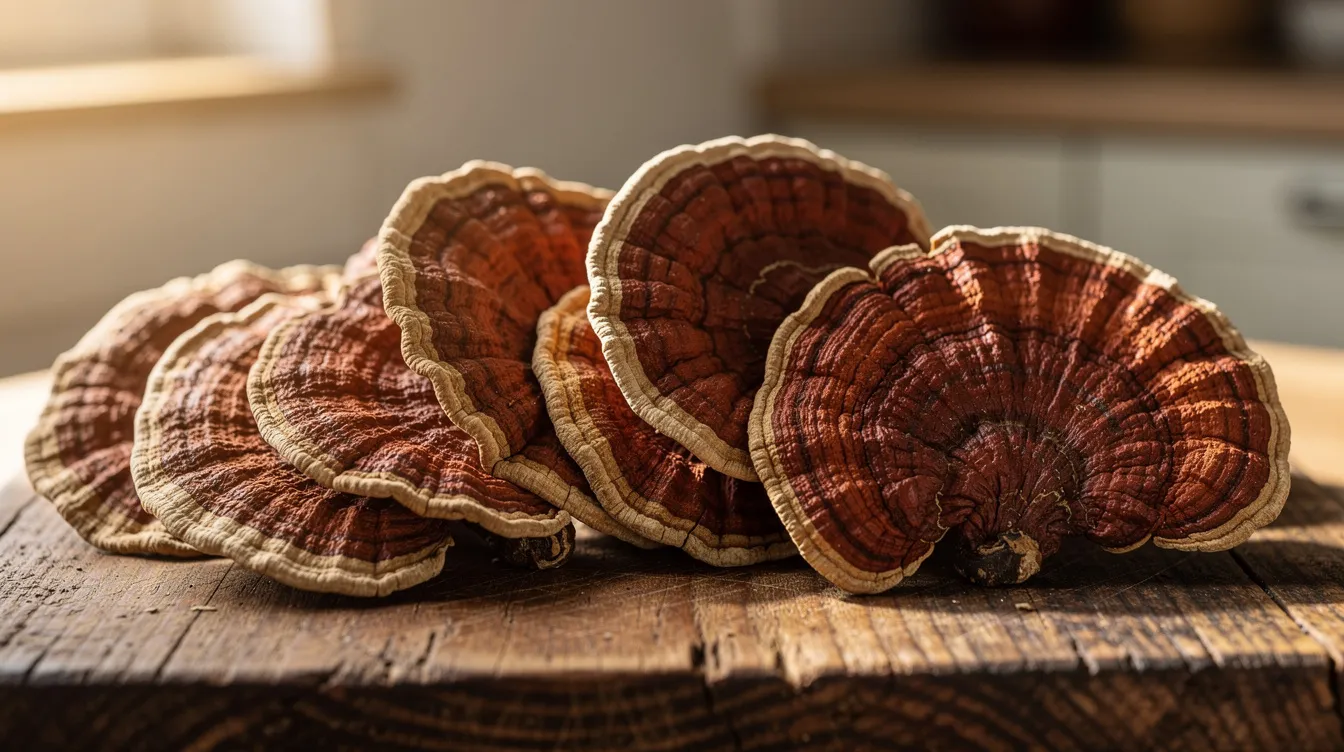
Reishi mushroom, known as Lingzhi in traditional Chinese medicine, has been used for centuries as a calming herb that quiets a busy mind and promotes restful sleep. Ancient practitioners valued it for its ability to "calm the Spirit," reduce restlessness, and support emotional balance long before modern sleep scoring existed.
Today, reishi is recognized as a powerful adaptogen. Adaptogenic mushrooms help modulate stress hormones, and adaptogens help the body respond effectively to stress. Consistent nightly use of reishi can help reduce perceived stress, and because elevated anxiety is one of the most reliable disruptors of the sleep wake cycle, lowering that arousal may make it easier to fall asleep.
Reishi contains compounds with sedative effects, including triterpenes (ganoderic acids) and polysaccharides like beta glucans. These compounds may help the body cope with daily stressors and support the body's response to inflammation and oxidative damage. Functional mushrooms also support the gut-brain axis for better sleep, adding another layer to how reishi may work.
Reishi mushrooms may improve sleep quality and reduce sleep onset time, and reishi can boost sleep duration and quality. However, it's not a sedative in the pharmacological sense. It doesn't knock you out the way prescription sleep medications do. Instead, it supports the physiological and psychological environment that allows a good night's sleep to come more naturally.
How We Chose the Best Reishi Supplements
Selecting the best mushroom supplements for sleep meant evaluating several critical factors:
-
Fruiting body extract over mycelium-on-grain products, since fruiting bodies contain significantly higher concentrations of active compounds
-
Dual extraction (hot water + alcohol) to capture both water-soluble polysaccharides and alcohol-soluble triterpenes
-
Third-party testing for potency, heavy metals, and contaminants
-
Transparent ingredient labeling with clearly identified species (ganoderma lucidum), extract ratios, and standardized compounds
-
GMP-certified manufacturing for consistent quality
-
Form factor suitability for evening use, meaning no stimulants, no caffeine, and minimal sugar
ConsumerLab's 2026 Reishi review tested seven popular reishi supplements and found that two failed to deliver expected beta-glucan levels, while several others had low triterpene content. That tells you product quality varies wildly across the market.
Top 5 Best Reishi Mushroom Supplements for Sleep
1. High-Quality Reishi Capsules
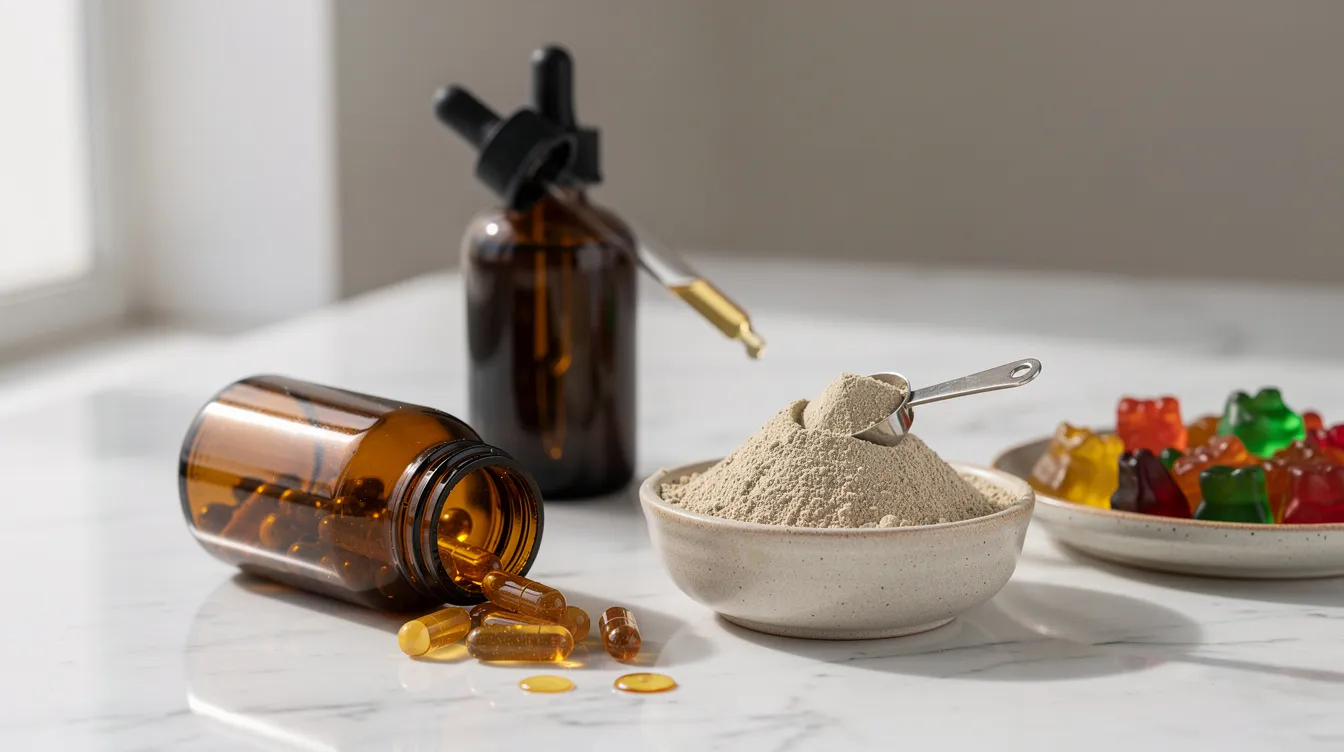
Standardized fruiting body extract capsules represent the most consistent way to get a precise dose of reishi every night. A well-made capsule product uses dual extraction and provides lab-verified beta-glucan and triterpene percentages on the label.
-
Why It Stands Out: Convenient dosing and consistent potency across servings
-
Best For: Daily users who want precise, hassle-free dosing. Two capsules before bed keeps things simple.
-
Key Strengths: Standardized extract, third-party tested, easy to integrate into any bedtime routine
-
Possible Limitations: Less flexible dosing compared to powders; effects build gradually with consistent use rather than overnight
2. Premium Reishi Powder
A high quality mushroom supplement in powder form gives you control over how much reishi you take and how you consume it. Mix it into warm milk, a calming tea, or a smoothie as part of your evening wind-down.
-
Why It Stands Out: Flexible dosing and mixable with evening beverages
-
Best For: Users who enjoy customizable bedtime drink rituals and want to add reishi to existing recipes
-
Key Strengths: Versatile, cost-effective per serving, easy to combine with other calming herbs
-
Possible Limitations: Earthy, bitter taste that not everyone enjoys; requires measuring to ensure accurate dosing
3. Reishi Liquid Extract/Tincture
Liquid extracts offer concentrated potency in a small volume. Dual-extracted reishi captures both water-soluble and alcohol-soluble compounds, making tinctures one of the most potent delivery methods available. A clinical trial currently underway (NCT07294482) is testing a 1:4 reishi liquid extract taken 30 minutes before bed.
-
Why It Stands Out: Fast absorption and easy to add to drinks
-
Best For: Users seeking rapid onset who prefer liquid supplements over capsules
-
Key Strengths: Quick absorption, concentrated potency, dropper precision
-
Possible Limitations: Strong taste, contains a small amount of alcohol, higher cost per serving
4. Reishi Tea Blends
Reishi tea blends combine the mushroom with other sleep-supporting herbs like chamomile, valerian, or lavender. The ritual of preparing tea before bed can itself signal your brain that it's time to relax.
-
Why It Stands Out: Creates a relaxing bedtime ritual with additional calming ingredients
-
Best For: Users who enjoy tea ceremonies and want a gentle, ritualistic approach to sleep support
-
Key Strengths: Enjoyable ritual, combines well with other calming botanicals, mild and soothing
-
Possible Limitations: Lower concentration of active compounds, variable potency depending on steep time, less standardized
5. Reishi Gummies
Gummies are the entry point for anyone new to mushroom supplements. They mask the earthy taste of reishi and make nightly supplementation feel less clinical and more enjoyable.
-
Why It Stands Out: Pleasant taste and easy consumption
-
Best For: Those who dislike mushroom taste, have difficulty swallowing capsules, or are new to functional mushrooms
-
Key Strengths: Great taste, easy to take, appealing format that supports adherence
-
Possible Limitations: Added sugars and stabilizers, lower concentration of active compounds, some essential compounds may degrade during gummy manufacturing
Quick Comparison of the Best Reishi Supplements
|
Product Type |
Best For |
Key Advantage |
|---|---|---|
|
Reishi Capsules |
Consistent daily dosing and convenience |
Precise, standardized potency |
|
Reishi Powder |
Flexible dosing and bedtime drink rituals |
Versatile and cost-effective |
|
Liquid Extract |
Fast absorption and precise dosing |
Concentrated, rapid onset |
|
Reishi Tea |
Relaxing evening routines and gentle effects |
Ritual value, combines with calming herbs |
|
Reishi Gummies |
Taste-sensitive users and beginners |
Pleasant taste, easy adherence |
Best Forms for Sleep
|
Form |
Advantages |
Best For |
|---|---|---|
|
Capsules |
Convenient, consistent dosing, no taste issues |
Daily use, precise intake |
|
Powder |
Flexible dosing, mixable into warm drinks |
Smoothies, evening beverages |
|
Liquid Extract |
Rapid and easy to use, high concentration |
Users preferring tinctures |
|
Tea |
Relaxing bedtime ritual, pairs with other herbs |
Evening routine, gentle approach |
What to Look for in the Best Reishi Supplement
High-quality reishi supplements should contain high levels of beta glucans and triterpenes. Without those, you're paying for filler. Here's what matters most:
-
Fruiting body extract: Mushroom supplements should contain fruiting bodies, not mycelium grown on grain substrates
-
Dual extraction: Hot water pulls polysaccharides; alcohol pulls triterpenes. You want both.
-
Third-party testing: Look for third-party testing for quality assurance from organizations like USP, NSF, or ConsumerLab
-
Transparent labeling: The label should list the species (ganoderma lucidum), extract ratio, beta-glucan percentage, and origin
-
Choose certified organic ingredients for purity and to minimize pesticide exposure
-
Research the origin of mushroom farms for quality, as cultivation substrate and growing conditions affect potency
-
GMP-certified facility: Ensures manufacturing consistency
-
No proprietary blends that hide how much reishi you're actually getting
-
Look for products with high beta-glucan content for effectiveness, ideally 20% or higher by dry weight
Fruiting Body vs Mycelium
This distinction matters more than most supplement labels let on.
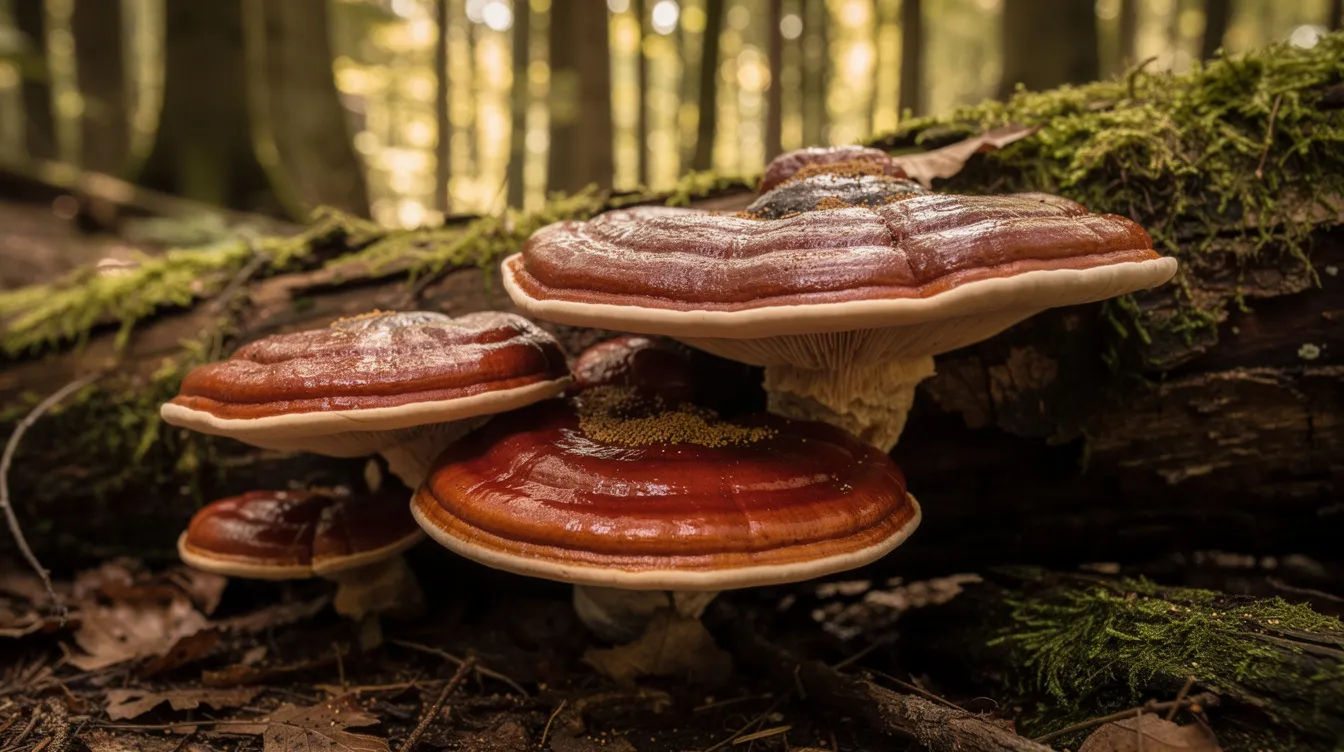
Fruiting bodies are the actual mushroom, the cap and stem that grows above ground. Fruiting body extracts generally contain higher concentrations of naturally occurring mushroom compounds. According to industry analysis, fruiting body extracts have three to five times higher beta-glucan content than mycelium-on-grain products of the same species. Well-extracted fruiting body reishi typically tests at 20 to 40 percent beta-glucans by dry weight, while mycelium-on-grain products often land at 5 to 10 percent or lower.
Grain-grown mycelium products may contain more starch if the growth substrate remains in the final product. That starch can inflate the weight without contributing active compounds. Triterpenes, the compounds responsible for reishi's distinctive bitter taste and many of its benefits, are largely concentrated in fruiting bodies and mostly absent in mycelium-on-grain products.
That said, quality depends on cultivation, extraction, and testing, not simply whether a product contains fruiting body or mycelium. Pure mycelium (not grain-based) that's been properly analyzed can still offer value. But for sleep support specifically, fruiting body extracts backed by lab data are the safer bet.
How to Choose the Right Reishi Supplement
Choose Based on Your Lifestyle
If you have a busy schedule, capsules or gummies minimize friction. You take them, you're done. If you enjoy a slower evening routine and want to relax into bedtime, powders mixed into warm drinks or tea blends offer that ritualistic quality that can help you wind down and quiet a busy mind.
Choose Based on Taste Sensitivity
Reishi has a distinctly earthy, bitter taste that some people find unpleasant. Gummies mask it entirely. Capsules bypass it. Tea blends dilute it with complementary flavors. Powders and tinctures require you to embrace or work around it.
Choose Based on Budget
Capsules and powders typically offer the lowest cost per serving. Liquid extracts tend to be pricier per dose but more concentrated. Gummies fall somewhere in the middle but often deliver less active compound per serving due to formulation constraints. Tea blends vary widely depending on what else is included.
How to Take Reishi for Sleep
Many people prefer taking reishi 30 to 60 minutes before bedtime as part of their night routine. The typical reishi dosage ranges from 400 mg to 1,500 mg daily, though the right amount depends on the extract concentration and the manufacturer's recommendations.
Consistent daily use is generally more important than exact timing. Expect gradual sleep quality improvements from reishi supplements rather than dramatic overnight changes. Because reishi works through stress modulation and adaptogenic properties rather than direct sedation, falling asleep faster and experiencing deeper, more restorative sleep may only become noticeable after days to weeks of regular use.
Integrate reishi into a broader sleep hygiene routine: dim lighting, limiting screens, avoiding caffeine in the afternoon, and establishing a calm evening environment. Reishi is not a standalone fix but may be additive to these habits.
Signs of a High-Quality Product
Use this checklist before buying:
-
✓ Fruiting body extract clearly listed
-
✓ Third-party tested for potency and contaminants
-
✓ Dual extraction (hot water + alcohol)
-
✓ Transparent labeling with species, extract ratio, and origin
-
✓ Clearly identified mushroom species (ganoderma lucidum)
-
✓ Standardized active compounds (beta-glucan and triterpene percentages disclosed)
-
✓ No unnecessary fillers, artificial colors, or excessive sugar
Which Option Is Best for You?
-
Choose capsules if you want consistent, convenient daily dosing without any taste concerns
-
Choose powder if you enjoy customizable bedtime drink rituals and want flexibility
-
Choose liquid extract if you prioritize fast absorption and precise control over your dose
-
Choose tea if you want a gentle, ritualistic approach with additional calming herbs for the evening
-
Choose gummies if taste and ease of consumption are your priorities and you're new to the best mushrooms for sleep
Safety
Reishi is generally well tolerated for many healthy adults when used at recommended doses. Possible side effects include digestive upset, dry mouth, dizziness, or allergic reactions.
However, reishi can thin blood and interact with various medications. Specifically:
-
Blood thinners (warfarin, aspirin, clopidogrel): increased bleeding risk
-
Blood pressure medications: reishi may lower blood pressure further
-
Diabetes medications: animal research suggests reishi may lower blood sugar
-
Immunosuppressants: reishi's immune-modulating effects could interfere
Pregnant or breastfeeding individuals should consult a healthcare professional before use, as safety data for these populations is insufficient. Memorial Sloan Kettering also notes rare reports of liver injury at very high doses or with contaminated products. Always consult a healthcare provider before taking reishi, especially if on medications or managing specific health conditions.

Frequently Asked Questions
Does Reishi actually help with sleep?
Research shows promising but preliminary results. A 2021 study found reishi supports sleep behaviors in mice, and a recent human trial using a mushroom blend including reishi showed improvements in sleep quality and lowered cortisol. Reishi mushrooms may help treat insomnia indirectly by reducing the stress and anxiety that keep you awake. However, no large-scale trials of reishi alone for insomnia have been published yet.
How long does Reishi take to work for sleep?
Don't expect dramatic changes in just a few days. Benefits of reishi often emerge after consistent use over two to four weeks. Because reishi works through stress modulation and the body's ability to adapt, the effects are gradual rather than immediate.
Should I take Reishi in the morning or at night?
For sleep support, most people take reishi in the evening, 30 to 60 minutes before bed. However, some users take it earlier in the day for overall stress management. There's no strong evidence that morning versus night dosing makes a critical difference, but evening use aligns better with bedtime routines.
Can I take Reishi every day safely?
For most healthy adults, daily use appears safe in moderate doses. Consistent use tends to produce better outcomes than occasional use. Follow manufacturer guidelines and check in with your healthcare professional if you have ongoing health conditions.
Is Reishi better than melatonin for sleep?
They work differently. Melatonin directly influences the sleep wake cycle as a hormone your body naturally produces. Reishi works indirectly by helping the body cope with stress and promoting calm. Some people use both, though there's limited research on their combination. Interestingly, vitamin D deficiency is linked to poor sleep quality, and vitamin D is involved in melatonin production. Mushrooms exposed to UV light provide vitamin D2, which adds another potential benefit to certain mushroom supplements.
Can I combine Reishi with magnesium or other sleep supplements?
Many people combine reishi with magnesium or calming herbs without reported issues. Among the three mushrooms most commonly discussed for wellness, lion's mane deserves special mention alongside reishi. Lion's mane may reduce symptoms of anxiety and may help calm a racing mind at bedtime. A 2023 study linked lion's mane to improved cognitive function and brain health, and lion's mane supports nerve growth factor production, which plays a role in maintaining healthy brain cells. While these are separate supplements, they can complement each other. That said, no robust clinical data exists on specific combinations, so start with one supplement at a time.
Is Reishi safe for long-term use?
Moderate-term use (weeks to months) appears safe for most healthy adults based on available data. Long-term safety data beyond several months is limited. Periodic breaks and monitoring are reasonable approaches, especially for individuals on medications.
Final Thoughts
The best reishi mushroom supplement for sleep is one made with high-quality, transparently labeled mushroom extract that fits your wellness goals. Whether you prefer capsules for convenience, powder for flexibility, or a tincture for fast absorption, what matters most is that you choose a product backed by third-party testing, made from fruiting bodies, and extracted properly to preserve the compounds that actually matter.
Reishi should be viewed as a complementary wellness supplement rather than a proven treatment for insomnia. It can support relaxation, help your body manage stress and mood, promote deep sleep and restorative sleep over time, and contribute to healthy skin and overall energy through its adaptogenic properties. But it works best alongside good sleep hygiene, not as a replacement for it.
Research is still developing. Results vary from person to person. Start with a quality product, stay consistent, and give it time. That's the most grounded approach to better sleep with reishi.