
Best Mushrooms for Your Skin: Evidence-Based Guide to Medicinal Fungi for Skin Health
Mushroom skincare is no longer a niche trend - it's a growing category backed by real research. But with so many functional mushrooms making claims, figuring out what's the best mushrooms for your skin can feel overwhelming. This guide breaks down the top medicinal mushroom options, the evidence behind each, and how to match them to your specific skin concerns.
What Is the Best Mushroom for Skin?
The best mushroom for skin depends on your skincare goals. Tremella is often chosen for skin hydration, Chaga for antioxidant protection, Reishi for healthy aging and skin barrier support, and Turkey Tail for immune system health. While early research is promising, more high-quality human studies are needed to confirm many of these mushroom benefits for skin.
Mushrooms contain bioactive compounds - including beta glucans, polyphenols, triterpenoids, and kojic acid - that support skin health through antioxidant activity, immune function, hydration, and barrier repair. Specific mushrooms are recommended for different skin goals, and no single species covers everything. Think of mushroom skincare products as targeted tools, not universal solutions.
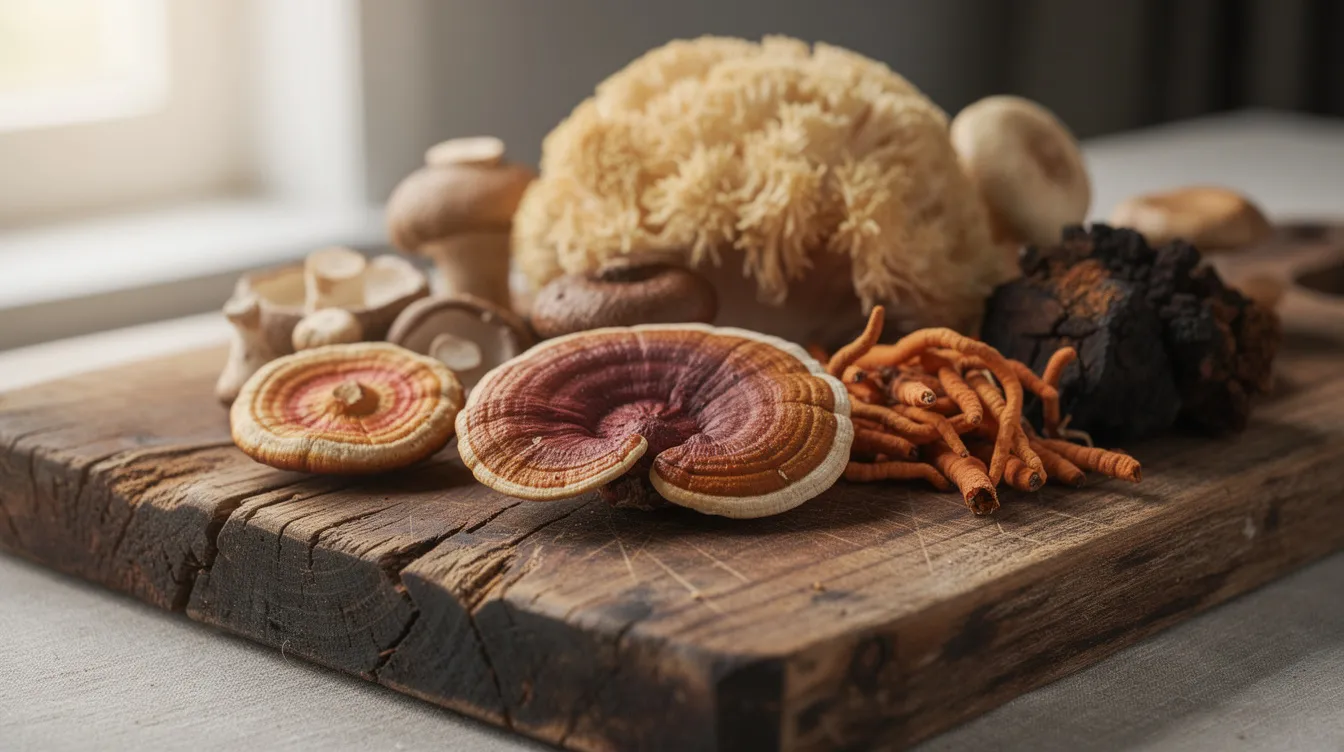
How We Chose the Best Mushrooms for Skin Health
We evaluated each mushroom across several criteria:
-
Scientific evidence: Priority given to mushrooms with published in vitro, animal, or human clinical data on skin outcomes.
-
Traditional use: Long-standing roles in chinese medicine and Asian beauty practices.
-
Bioactive compound profile: Presence of compounds with clear mechanisms for skin support (antioxidant, anti inflammatory, hydrating).
-
Safety and tolerability: Low irritation risk for most users, including those with sensitive skin.
-
Availability: Accessible in quality mushroom supplements and skincare products.
-
Topical vs. oral evidence: Mushrooms like Tremella and Reishi have the strongest evidence for topical use, while others show more promise as oral supplements.
Top 6 Mushrooms for Skin Health
1. Tremella (Tremella fuciformis)
The snow mushroom earns the top spot for hydration. Snow mushrooms can retain nearly 500 times their weight in water, making Tremella a standout humectant in the skincare world. Tremella acts as a powerful vegan alternative to hyaluronic acid, with polysaccharides that form moisture-binding networks on the skin's surface.
Why It Stands Out: In a cosmetic formulation study, an emulsion containing Tremella mushroom extract increased skin hydration by 58–82% within hours and reduced transepidermal water loss by approximately 12.4%. Reishi and snow mushrooms both act as natural humectants for skin.
Best For: People with dry skin seeking intense hydration and a dewy, plump appearance. Tremella mushroom also reduces hyperpigmentation and promotes even skin tone.
Key Strengths: High molecular weight polysaccharides, moisture retention, minimal skin irritations in testing, and traditional beauty use across Asia. Wood ear mushrooms similarly enhance skin hydration and elasticity, making the broader category of jelly fungi particularly useful for barrier support.
Possible Limitations: Research on Tremella's effects on skin elasticity, wrinkle depth, and pigmentation is still emerging. It may not address every skin concern on its own.
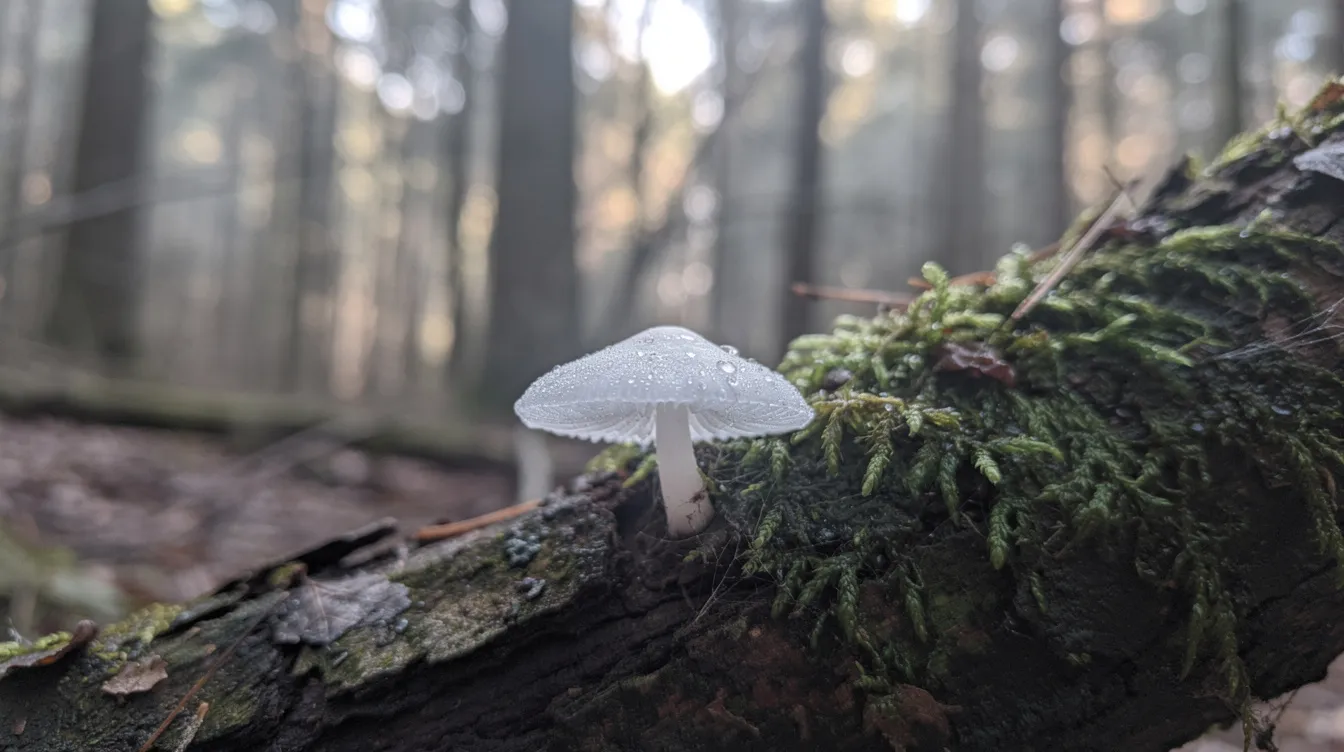
2. Reishi (Ganoderma lucidum)
Known as the "mushroom of immortality," the reishi mushroom delivers comprehensive anti aging and barrier support. Ganoderma lucidum contains triterpenes, beta glucans, and phenolics with antioxidant anti inflammatory properties that protect the skin from premature aging.
Why It Stands Out: A human clinical trial found that Ganoderma active polysaccharides reduced skin redness (erythema) by up to 48%, inhibited tyrosinase activity by approximately 32%, and reduced melanin production by about 30%. Reishi mushroom benefits extend to wound healing support in fibroblast scratch assays.
Best For: Those focused on healthy aging and building a resilient complexion. Reishi mushrooms improve skin elasticity and reduce fine lines, and they calm and soothe irritated skin - making them suitable for reactive or acne prone skin types.
Key Strengths: Multiple overlapping mechanisms (antioxidant properties, anti inflammatory properties, tyrosinase inhibition). Some reishi mushroom benefits include supporting the skin's natural barrier function and promoting collagen synthesis over time.
Possible Limitations: Effects are primarily preventative and may take weeks to notice. Extract standardization varies widely between products.
3. Chaga (Inonotus obliquus)
The chaga mushroom is a powerhouse of naturally occurring antioxidants, offering some of the strongest free radical protection among medicinal mushrooms.
Why It Stands Out: In a study on dermal fibroblasts, Chaga inhibited glycation of collagen 3–4 times more effectively than standard agents and reduced UV-A induced reactive oxygen species by approximately 50%. Chaga mushroom's melanin content also helps protect skin from UV radiation directly.
Best For: People wanting to protect the skin from environmental aggressors - UV rays, pollution, and free radical damage that accelerates skin damage. Chaga mushrooms protect skin from oxidative damage and aging.
Key Strengths: Exceptional polyphenol content, anti-glycation activity (which combats dullness and loss of collagen elasticity), and activation of Nrf2/HO-1 antioxidant pathways. Chaga mushrooms have anti inflammatory properties that soothe skin and help calm inflammation. Chaga mushrooms are rich in antioxidants and protect against UV damage.
Possible Limitations: Most data comes from cell and animal models. Direct human clinical trials for topical chaga in skin care remain limited.
4. Shiitake (Lentinula edodes)
Shiitake mushrooms do double duty as both edible mushrooms and skincare ingredients. These are among the most accessible functional mushrooms for supporting overall skin health.
Why It Stands Out: Shiitake contains kojic acid, a proven tyrosinase inhibitor that helps brighten complexion and reduce melanin production. Kojic acid from shiitake mushrooms brightens skin and reduces sunspots, targeting dark spots and uneven skin tone. Shiitake and Turkey Tail mushrooms both inhibit excess melanin production.
Best For: Those with hyperpigmentation seeking a luminous complexion and natural brightening. Mushroom extracts show promising results in reducing age spots and hyperpigmentation.
Key Strengths: L-ergothioneine (a sulfur-containing antioxidant), copper content supporting normal connective tissue and collagen production, and antibacterial properties. Maitake mushrooms similarly contain kojic acid, reducing dark spots and pigmentation, making them a complementary option for even skin tone.
Possible Limitations: Brightening effects are gradual and subtle. Kojic acid at higher concentrations can cause irritation, so formulation matters. Those comparing results to vitamin c or salicylic acid should set realistic expectations.
5. Turkey Tail (Trametes versicolor)
Turkey Tail's skincare benefits are primarily indirect, operating through powerful immune system modulation.
Why It Stands Out: Polysaccharopeptides (PSK and PSP) support healthy immune function, which influences skin repair, inflammation, and barrier integrity. A healthy immune system helps manage skin conditions linked to immune dysregulation.
Best For: People wanting overall wellness support that benefits skin indirectly. Turkey Tail supports the skin's microbiome balance through gut-skin axis interactions and prebiotic effects.
Key Strengths: Strong safety record across multiple human trials, demonstrated immune modulation, and antimicrobial properties.
Possible Limitations: Direct evidence for improvements in complexion, hydration, or wrinkle depth is limited. Those seeking visible skin results may want to pair Turkey Tail with a more targeted mushroom.
6. Lion's Mane (Hericium erinaceus)
Lion's Mane is the emerging player in mushroom skincare, studied primarily for brain health but showing early promise for skin.
Why It Stands Out: Unique compounds - hericenones and erinacines - demonstrate anti inflammatory potential in preclinical models. Lion's Mane has anti inflammatory properties and may help with wound healing, potentially supporting skin repair processes.
Best For: Those interested in cutting-edge mushroom benefits and managing underlying inflammatory pathways that contribute to redness or sensitivity. Mushrooms can calm inflammation and reactive skin types more broadly.
Key Strengths: Low toxicity, solid preclinical data for inflammation and injury recovery.
Possible Limitations: Very limited skin-specific human research. Dosage, delivery method (oral vs topical), and formulation remain underexplored.
Quick Comparison of the Best Mushrooms for Skin
|
Skin Goal |
Recommended Mushroom |
Potential Benefit |
Evidence Strength |
|---|---|---|---|
|
Hydration |
Tremella |
Moisture retention, barrier support |
Emerging |
|
Healthy Aging |
Reishi |
Antioxidant & skin barrier support |
Emerging–Moderate |
|
Antioxidant Protection |
Chaga |
Reduces oxidative stress |
Emerging |
|
Skin Nutrition & Brightening |
Shiitake |
Micronutrient support, kojic acid |
Moderate |
|
Overall Wellness |
Turkey Tail |
Immune modulation |
Moderate |
|
Anti-Inflammatory |
Lion's Mane |
Inflammation support |
Preliminary |
|
Broad Support |
Multi-Mushroom Blend |
Multiple mechanisms |
Moderate |
Cordyceps mushrooms also deserve a mention - they boost collagen production and skin elasticity, though they didn't make the primary list due to more limited skin-specific research. Maitake mushrooms help maintain optimal moisture balance in the skin and enhance radiance while reducing discoloration. Mushrooms contain beta-glucans that improve skin hydration across most species listed above.
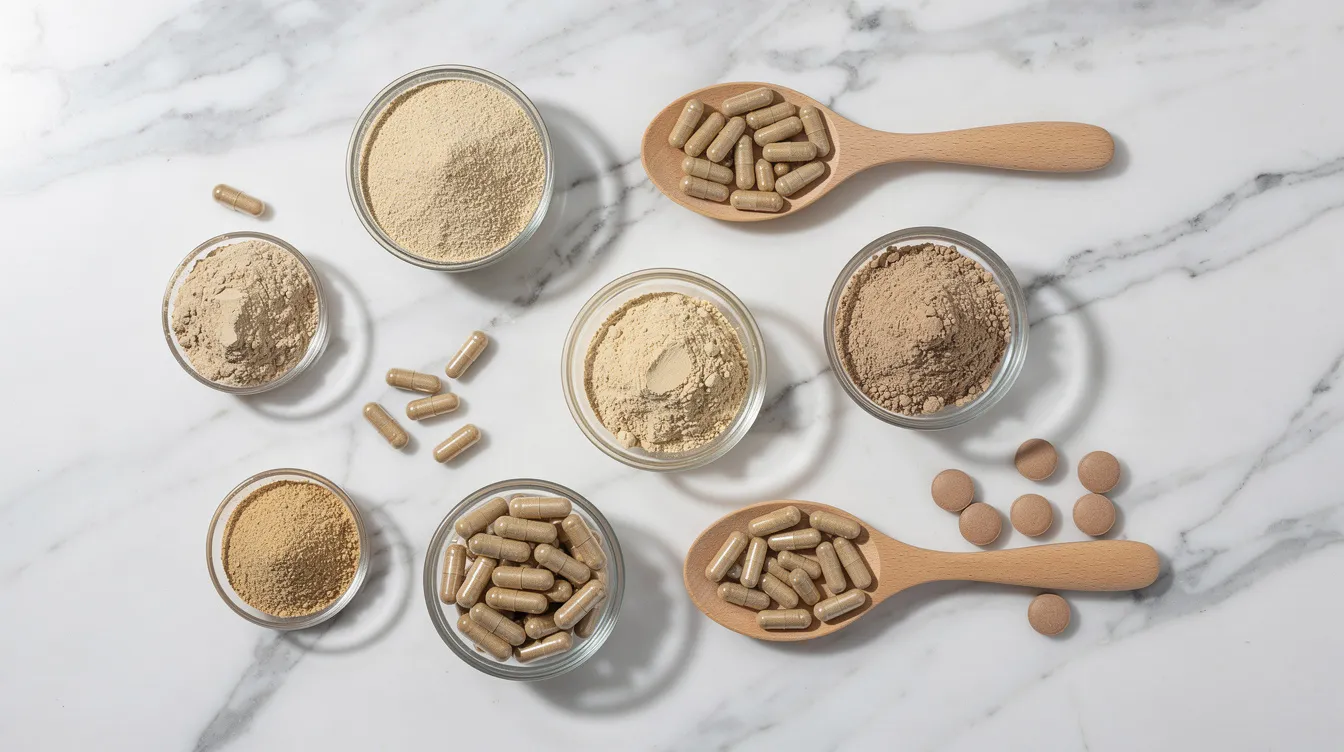
How to Choose the Right Mushroom Supplement for Skin
Choose Based on Your Primary Skin Goal
Match your mushroom to your primary skin concern. Seeking hydration? Start with Tremella. Want to improve skin elasticity and promote skin elasticity over time? Reishi is your best bet. Concerned about free radicals and environmental damage? Chaga addresses that directly. For an even skin tone and radiant complexion, Shiitake delivers targeted brightening.
Choose Based on Product Quality Standards
Look for mushroom supplements that include:
-
Clearly identified species (not just "mushroom blend")
-
Fruiting body extracts or transparent ingredient disclosure
-
Standardized beta-glucan content when available
-
Third-party testing for purity and potency
-
GMP-certified manufacturing
-
No proprietary blends hiding actual dosages
Mushroom skincare products often use double encapsulation for effective nutrient absorption - a useful feature for topical formulations.
Choose Based on Your Lifestyle and Preferences
Supplements come in powders, capsules, and liquid extracts. Consider how each integrates into your daily skincare routine and existing habits. Powders mix easily into beverages; capsules offer convenience. Budget matters too - single-species extracts tend to cost less than multi-mushroom formulas but may require stacking for broad benefits.
Which Mushroom Is Best for You?
-
Choose Tremella if dry skin and dehydration are your primary concerns and you want a youthful appearance.
-
Choose Reishi if you want comprehensive anti aging support, want to soothe redness, and protect against premature aging.
-
Choose Chaga if environmental protection and combating free radical damage are your priority.
-
Choose a multi-mushroom blend for broad-spectrum skincare benefits covering hydration, protection, and immune support.
Wood ear mushrooms also reduce redness and alleviate irritation, making them worth considering for those with irritated skin. Hemp-derived cannabinoids can similarly alleviate redness and inflammation when combined with mushroom based cosmeceutical formulations. Maitake mushrooms contain kojic acid to reduce dark spots, adding another option for those targeting dark circles and discoloration.
Lifestyle Factors That Matter for Skin Health
Mushroom supplements work best alongside healthy habits. No supplement replaces fundamentals:
-
Balanced diet rich in fatty acids, antioxidants, and micronutrients
-
Adequate hydration throughout the day
-
Daily sunscreen to protect skin from uv rays
-
Quality sleep and stress management
-
Avoiding smoking and excessive alcohol
-
Consistent skincare routine - a gentle cleanser, proven actives, and moisturizer form the foundation of any effective daily skincare routine
Safety and Considerations
Mushroom supplements are generally well tolerated by healthy adults. Key precautions:
-
Individuals with mushroom allergies should avoid use entirely.
-
Consult a healthcare professional before use if pregnant, breastfeeding, taking medications (especially immunomodulatory drugs), or managing chronic skin conditions.
-
Start with lower doses and monitor your response before increasing.
-
Turkey Tail's immune-modulating effects warrant caution for those with autoimmune conditions.
-
A 12-week safety study of Reishi beta-glucans showed no changes in liver or kidney function in healthy adults.
Frequently Asked Questions
Which mushroom is best for glowing skin? Tremella and Shiitake are the strongest candidates. Tremella delivers deep hydration for a dewy finish, while Shiitake's kojic acid targets dullness and promotes a luminous complexion.
Is Tremella better than collagen for skin hydration? Tremella works differently - it's a humectant that retains moisture on and within skin layers, while collagen supplements aim to support structural protein levels internally. Tremella acts as a vegan alternative to hyaluronic acid rather than a direct collagen replacement.
Can mushroom supplements improve acne? Some mushrooms may help manage acne indirectly through anti inflammatory and antibacterial properties. Reishi and Chaga may reduce the inflammation underlying breakouts, but mushrooms should not replace proven acne treatments like salicylic acid or retinoids.
Is Reishi good for aging skin? Yes. Reishi mushrooms improve skin elasticity and reduce fine lines through antioxidant and anti inflammatory mechanisms. It also supports collagen synthesis and the skin barrier.
How long does it take to notice skin benefits from mushroom supplements? Most users report gradual improvements over 4–8 weeks of consistent use. Topical mushroom extract products may show hydration benefits sooner.
Can I take mushroom supplements every day safely? For most healthy adults, yes. Daily use is how most studies are designed. Always follow product-specific dosage guidelines.
Should I use topical mushroom products or supplements? Both have merit. Topical products deliver hydration and antioxidant benefits directly to skin. Oral supplements support skin health systemically through immune function and antioxidant defense. Combining both approaches may offer the most comprehensive support.
Final Thoughts
There is no single best mushroom for skin. Tremella is commonly chosen for hydration, Reishi for healthy aging and skin barrier support, Chaga for antioxidant protection, and Shiitake for nutritional support. The best choice depends on your skincare goals and should complement - not replace - a healthy lifestyle and evidence-based skincare routine.
The mushroom benefits discussed here are grounded in emerging science, not hype. Match your primary skin concern to the mushroom with the most relevant mechanism, choose quality products with transparent sourcing, and integrate them into a broader skin care strategy that includes sun protection, hydration, and consistent habits.
If you're managing a specific medical condition or taking medications, consult a healthcare professional before adding mushroom supplements to your routine. Start with one mushroom that aligns with your goals, give it time, and build from there.